Scouting Soybean Fields Now Can Prevent Costly Insect Damage, K-state Expert Says
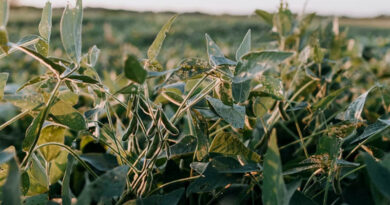
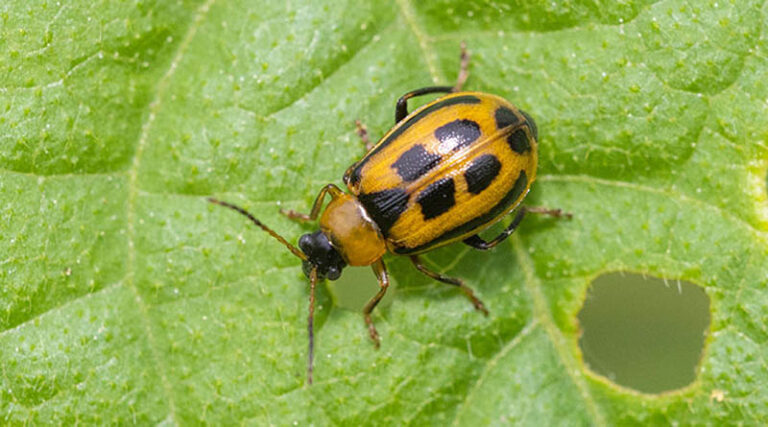
11 August 2026, Manhattan: Kansas soybean growers should be paying close attention to their fields over the next several weeks as bean leaf beetles and soybean podworms become more active, according to Kansas State University crop entomologist Jeff Whitworth.
Whitworth said August is one of the most important months for soybean production because plants are setting pods and building yield. Timely rainfall and effective pest management during this period can make a significant difference at harvest.
“Right now, what most folks are worried about are bean leaf beetles,” Whitworth said.
Podworms — including corn earworms, armyworms and fall armyworms — also can threaten soybean yields by feeding directly on developing beans inside the pods.
Whitworth emphasized that insecticide applications should be based on field scouting rather than the calendar.
“We generally only recommend treating with an insecticide when it is needed, when it is called for,” he said. “If there aren’t any pests there, it won’t do any good. You’ve only got about 10 to 14 days with that insecticide out there, (otherwise) it’s not killing anything.”
Bean leaf beetles currently are found primarily in their immature stages beneath the soil surface, where larvae feed on soybean roots. Whitworth said growers who notice weak or stunted areas in their fields should dig up plants and inspect the root systems.
“Chances are they’ve got little white worms feeding on them, or they have had little white worms feeding on them,” he said.
The larvae resemble corn rootworms and feed on root hairs and larger roots, disrupting the movement of water and nutrients through the plant. As feeding continues, soybean plants may begin to wilt.
As soybeans begin setting pods, adult bean leaf beetles shift their feeding to the pods and remain active until green pods are no longer available later in the season.
“I don’t know why the pods are more attractive to these insects, but they are,” Whitworth said. “They will feed on the leaves if there aren’t any pods, but for the most part, they will go to the pod.”
Podworms cause a different type of damage. The caterpillars climb the plants and feed directly on the beans inside the pods, leaving holes where seeds have been consumed.
“If you’re out looking in your field once you start setting pods, and you have a hole right where there is a bean, or where a bean was, that’s the podworm,” Whitworth said.
Because podworm larvae feed for only about 10 days to two weeks before moving into the soil to pupate, Whitworth said proper timing of insecticide applications is critical.
“If you’ve sprayed ahead of time, you’ve missed them,” he said. “If you spray after that two-week period, you’ve missed it, so you’re just wasting that application. That’s why timing is very, very important.”
Whitworth recommends frequent scouting throughout August, particularly as soybean pods develop.
“It’s very critical in August, in the next two or three weeks, to get out and monitor your soybean fields,” he said.
Treatment thresholds also help determine whether insecticide applications are justified. For podworms, Whitworth said the general guideline is about one larva per row foot because the insects feed directly on the crop that will be harvested.
While bean leaf beetles spend the fall feeding in soybean fields before moving to overwintering sites such as alfalfa, podworms attack a much broader range of crops.
Armyworms, fall armyworms and corn earworms can feed on corn, soybeans, sorghum, cotton and, in some cases, wheat. Whitworth noted that fall armyworms and corn earworms do not survive Kansas winters, while armyworms can remain active long enough to threaten early planted wheat.
Regardless of the pest, Whitworth said the key to protecting soybean yields is regular scouting and making treatment decisions only when insects reach economic thresholds.
“Timing is very, very important,” he said.
Also Read: Novonesis To Acquire Remaining Share Of Microbiogen To Strengthen Yeast Capabilities
Global Agriculture is an independent international media platform covering agri-business, policy, technology, and sustainability. For editorial collaborations, thought leadership, and strategic communications, write to pr@global-agriculture.com