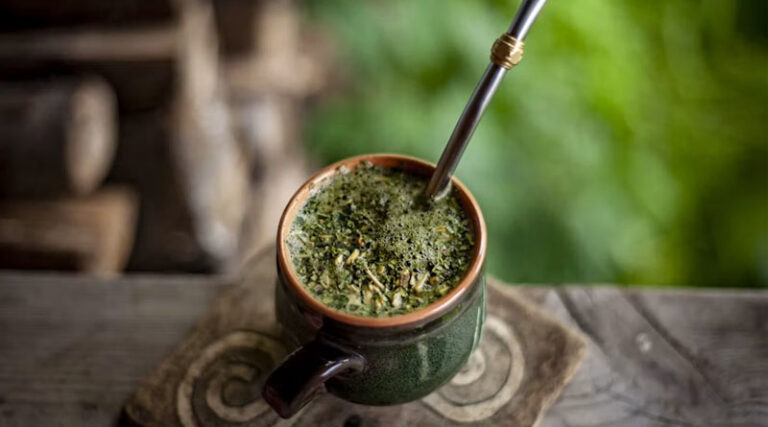
28 September 2026, Paraná, Brazil: Brazil’s agricultural research agency Embrapa has made four newly developed yerba mate cultivars available for commercial licensing, offering growers of the widely consumed South American beverage crop a menu of options bred for different combinations of yield, shade tolerance, and leaf flavor.
Embrapa Florestas, the agency’s forestry research unit based in Paraná state, issued a formal technology offering (Comunicado de Oferta Tecnológica No. 11/2026) on September 16, 2026, opening a window for companies and nurseries to apply for licenses to propagate and sell the material. The four cultivars, named BRS 408, BRS 409, BRS BLD Aupaba, and BRS BLD Yari, are described on Embrapa’s own cultivar registry pages, which list their parentage, propagation method, and expected productivity.
How the cultivars were developed
Yerba mate (Ilex paraguariensis) is a native South American holly species whose dried, ground leaves are steeped to make mate, a caffeinated beverage central to daily life across much of Argentina, Brazil, Paraguay, and Uruguay, comparable in cultural and commercial importance to tea in parts of Asia. Unlike many major row crops, yerba mate breeding still relies heavily on selecting superior individual plants from existing populations, whether cultivated progeny or native forest stands, and then propagating the chosen plant clonally through mini-cuttings rather than through cross-pollination and seed. This keeps the genetic traits of the selected mother plant intact in every propagated seedling, similar in principle to how a favored apple or grape variety is grown from cuttings or grafts rather than from seed.
BRS 408 and BRS 409 were each selected from existing yerba mate progenies grown in the Paraná municipalities of Cascavel and Bocaiúva do Sul, respectively, and then multiplied through Embrapa’s own mini-cutting propagation system. BRS BLD Aupaba, by contrast, was selected directly from a native yerba mate stand in a natural forest near São Mateus do Sul, Paraná, reflecting the fact that wild and semi-wild mate populations still hold genetic diversity useful for breeding. Both BLD-branded cultivars were developed in partnership with Baldo S/A, a Brazilian yerba mate processing company, indicating this material is aimed specifically at meeting a commercial partner’s product specifications rather than being a purely public varietal release.
The four cultivars differ mainly in expected green leaf mass yield and flavor intensity. BRS 408 is rated as producing a medium-soft flavored beverage and an estimated 18,000 kilograms of green mass per hectare every 18 months. BRS 409, propagated from a different source population, is rated at a somewhat stronger medium-soft flavor and a higher yield of around 24,000 kilograms per hectare on the same 18-month cycle when grown with higher input management. BRS BLD Aupaba is described as producing a notably mild-flavored leaf and shows a wider yield range of 15,000 to 25,000 kilograms per hectare depending on whether it is grown in 30 to 50% shade or in full sun, reflecting yerba mate’s natural status as an understory forest species that can be cultivated either under a forest canopy or in open plantations. BRS BLD Yari rounds out the group with a mild flavor profile and a yield estimate of around 24,000 kilograms per hectare.
Embrapa’s own materials do not report data on caffeine or related compound content, disease resistance, or a full multi-year yield trial record for these cultivars, so growers and buyers evaluating the material will need to request additional agronomic data directly from Embrapa or wait for further peer-reviewed publication before making large-scale planting decisions.
A broader push at Brazil’s Expointer fair
The yerba mate offering was one of several Embrapa Florestas and related-unit releases timed around the Expointer 2026 agricultural fair in Rio Grande do Sul in late August and September, alongside other new material such as a disease-resistant pear cultivar from a separate Embrapa unit. Grouping cultivar launches around major regional fairs is a routine way Brazilian public breeding programs reach commercial nurseries and processors directly.
Global Agriculture is an independent international media platform covering agri-business, policy, technology, and sustainability. For editorial collaborations, thought leadership, and strategic communications, write to pr@global-agriculture.com