Brazil’s Embrapa Releases New Disease-Resistant Pear Variety
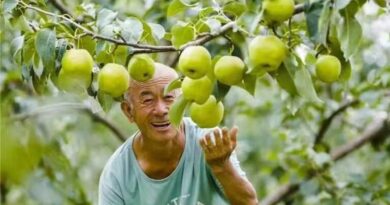
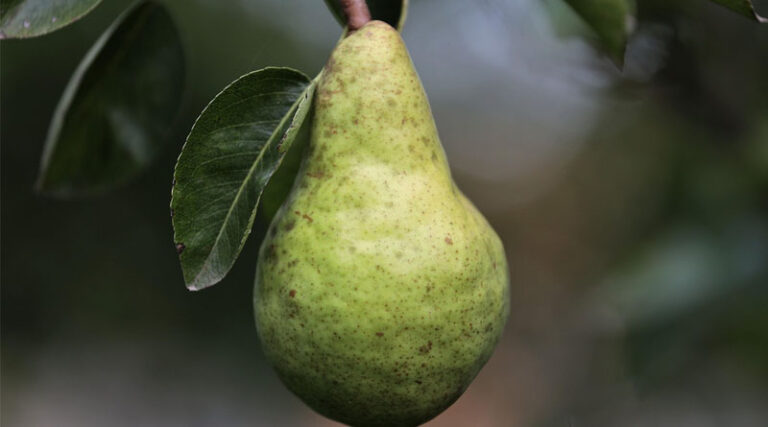
22 September 2026, Rio Grande do Sul, Brazil: Brazil’s national agricultural research corporation, Embrapa, has released a new pear cultivar bred specifically for the country’s southern growing regions, aiming to reduce Brazil’s heavy reliance on imported pears while cutting the fungicide and insecticide use associated with the fruit’s two biggest production problems: fungal leaf disease and fruit fly damage. The cultivar, named BRS Áurea, was registered with Brazil’s Ministry of Agriculture and Livestock in May 2025 and was presented to growers at the Expointer agricultural fair in Rio Grande do Sul state in late August and early September 2026.
BRS Áurea was developed by Embrapa Uva e Vinho (Embrapa Grape and Wine), the corporation’s research unit based in Bento Gonçalves, Rio Grande do Sul, through a breeding programme that began in 2006 with a cross between the Asian pear variety Hosui and the European variety Abate Fetel. Researcher and breeder João Caetano Fioravanço led the twenty-year effort, with post-harvest specialist Lucimara Antoniolli evaluating the fruit’s storage and shelf-life characteristics.
Brazil currently imports an estimated 90 to 95 percent of the pears it consumes, mostly from neighbouring Argentina and Chile, because most commercial pear varieties need more winter chilling than Brazil’s relatively mild climate reliably provides, and because the varieties that can be grown locally, chiefly a cultivar called Rocha, are highly vulnerable to disease and pests in Brazil’s humid growing conditions.
Bred for local disease and pest pressure
BRS Áurea was specifically bred to resist the two problems that have limited local pear production. The first is Fabraea leaf spot, also known as entomosporiosis, a fungal disease that causes premature leaf drop and disfigures fruit in humid conditions typical of southern Brazil, along with resistance to pear scab, another common fungal disease of the crop. The second is the South American fruit fly, a major pest that lays eggs inside ripening fruit. In side-by-side field trials, BRS Áurea showed a fruit fly infestation rate of about 10 percent, compared with 70 percent for the widely grown Rocha variety, and in controlled laboratory choice tests the gap was similarly wide, at 40 percent versus 100 percent. Researchers attribute the difference to the fruit’s skin and pulp characteristics, which appear to make it a less attractive host for egg-laying flies, rather than to any active pest-control trait.
The cultivar also requires only 400 to 600 hours of winter temperatures below 7 degrees Celsius to break dormancy properly, a relatively low chilling requirement that suits Brazil’s mild winters far better than the European pear varieties from which much of the world’s pear-breeding stock descends. It matures early, reaching harvest in about 106 days from full bloom, putting fruit on the market in early to mid-January, ahead of the main window for imported competitors. In yield trials under high-density planting systems, growers achieved output equivalent to close to 30 tonnes per hectare, a substantial improvement over yields typically reported for Rocha in the same growing regions. Post-harvest testing found the fruit holds up well in storage, keeping for about 90 days in conventional cold storage plus a further week at room temperature to finish ripening, or up to 165 days when kept in controlled-atmosphere storage that limits oxygen exposure.
Fioravanço said the cultivar brings together strong adaptation to southern Brazil’s climate, high yield capacity and good fruit quality, a combination that has been difficult to achieve in pear breeding programmes aimed at non-traditional, warmer growing regions.
Why a new pear variety matters for the wider industry
A domestically viable, disease-resistant pear matters commercially because it directly displaces imports with local production, but it also matters to the broader agricultural input industry because of what it does not need: substantially less fungicide to manage leaf spot and scab, and less insecticide or bait-spray effort to control fruit fly, compared with the varieties it is designed to replace. That shift in the underlying crop, rather than in the chemistry applied to it, mirrors a wider trend across fruit and vegetable breeding, in which resistance bred directly into the plant is increasingly seen as a complement to, rather than a replacement for, crop protection products, changing which products growers need and w
Also Read: India Approves Pioxaniliprole, First Insecticide Active Ingredient Discovered in India
Global Agriculture is an independent international media platform covering agri-business, policy, technology, and sustainability. For editorial collaborations, thought leadership, and strategic communications, write to pr@global-agriculture.com