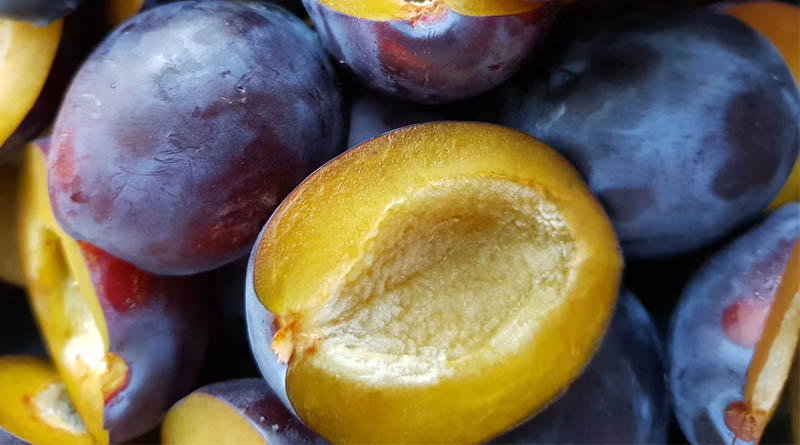
USDA Reviews Gene-Edited Plum Bred to Bloom Nearly Year-Round
07 October 2026, West Virginia: The US Department of Agriculture is taking public comment on a request to approve a gene-edited plum
Read More

Get the latest gene-edited plum news, research and developments covering fruit biotechnology, genome editing, plant breeding and horticultural innovation. Gene editing enables researchers to make targeted changes to a plant’s DNA to investigate or develop traits such as disease resistance, improved fruit quality, altered ripening and better adaptation to environmental stresses. In plums, these technologies are being explored alongside conventional breeding to address production challenges and improve desirable fruit characteristics.
Research into gene-edited stone fruits focuses on understanding genes involved in flowering, fruit development, ripening, texture, flavour and responses to pathogens. Tools such as CRISPR-Cas systems can help scientists study specific genetic functions and potentially develop varieties with selected traits. However, research progress and commercial applications depend on the target characteristic, the plant’s biology, field performance and applicable regulatory requirements. Gene editing is distinct from introducing genes from unrelated organisms, although regulatory treatment varies by jurisdiction and product.
Find updates on gene-editing research in plums and other stone fruits, laboratory studies, field trials, breeding programmes and regulatory decisions. Coverage includes developments in disease resistance, fruit quality, post-harvest performance and climate resilience, as well as research partnerships involving universities, biotechnology companies and horticultural institutions. Regulatory assessments, environmental considerations and market acceptance remain important factors in determining how gene-edited fruit varieties may progress from research to commercial cultivation.
07 October 2026, West Virginia: The US Department of Agriculture is taking public comment on a request to approve a gene-edited plum
Read More