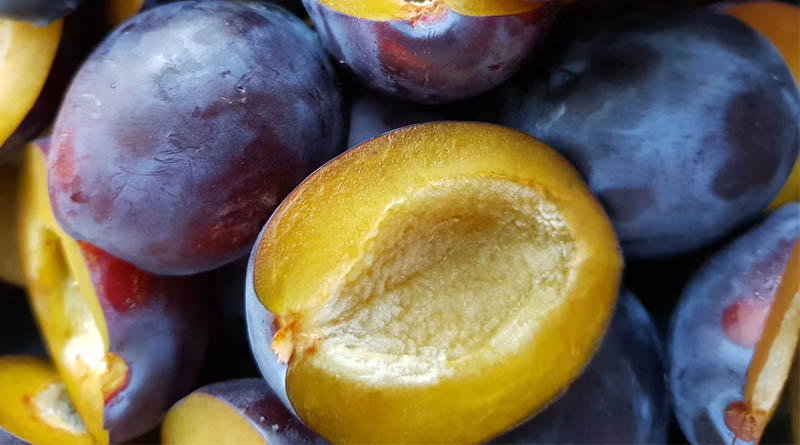
USDA Reviews Gene-Edited Plum Bred to Bloom Nearly Year-Round
07 October 2026, West Virginia: The US Department of Agriculture is taking public comment on a request to approve a gene-edited plum
Read More

Get the latest precocious flowering news, research and developments covering plant physiology, crop breeding, horticulture, forestry and agricultural biotechnology. Precocious flowering refers to the onset of flowering earlier than normally expected for a plant species or variety. This trait can influence reproductive development, breeding cycles, fruit production and the time required for plants to reach reproductive maturity.
In agriculture and horticulture, early flowering can be important for accelerating breeding programmes, shortening generation times and reducing the time needed to evaluate new varieties. Researchers are studying flowering-related genes, hormonal signals, environmental cues and genetic pathways that regulate the transition from vegetative growth to reproduction. In fruit trees and perennial crops, inducing earlier flowering can help breeders assess desirable traits and develop improved cultivars more quickly. However, premature flowering may also affect plant growth, yield, fruit quality and long-term productivity, depending on the species and growing conditions.
Find updates on research into early flowering in fruit crops, forest trees, cereals and other economically important plants. Coverage includes genetic engineering, genome editing, molecular breeding, plant growth regulators and environmental factors affecting flowering time. Developments in accelerated breeding methods, flowering-time genes and reproductive biology provide insight into how researchers are working to improve crop development, shorten breeding cycles and understand the effects of changing environmental conditions on plant reproduction.
07 October 2026, West Virginia: The US Department of Agriculture is taking public comment on a request to approve a gene-edited plum
Read More