Jain Irrigation Launches 20,000-Tonne Biochar Facility in India
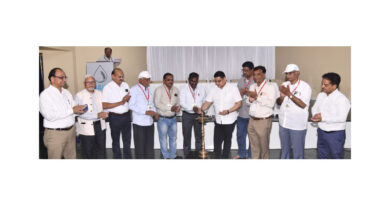
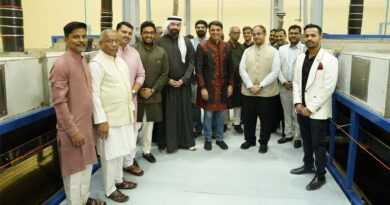
03 June 2026, Jalgaon: Jain Irrigation has commissioned a biochar production facility in Jalgaon, Maharashtra in India, with an annual processing capacity of approximately 20,000 tonnes, marking a significant investment in agricultural residue utilization and carbon removal infrastructure.
The facility, developed in collaboration with technology and project partners, will process agricultural and fruit-processing residues into biochar, a carbon-rich material produced through the pyrolysis of biomass under low-oxygen conditions. According to the company, the plant can process more than 50 metric tonnes of feedstock per day.
The Jalgaon unit is the first in a planned series of biochar facilities that Jain Irrigation intends to develop as part of its efforts to integrate carbon removal technologies with agricultural production systems.
Biochar has gained increasing attention globally as a carbon dioxide removal (CDR) solution because it enables long-term carbon storage while creating a soil amendment that can be applied in agricultural fields. By converting crop residues into biochar rather than burning them, carbon can be retained in a stable form for extended periods, while helping to address challenges associated with agricultural waste management.
India generates large volumes of crop residues each year, with open-field burning remaining a concern in several agricultural regions. The development of biochar production infrastructure is increasingly being viewed as a potential pathway for utilizing agricultural waste while contributing to climate mitigation efforts.
Jain Irrigation said the project is designed around a circular agriculture model in which agricultural residues are collected, processed into biochar, and returned to farming systems. The company expects the initiative to support improved soil management practices and create additional value streams within the agricultural sector.
The company plans to leverage its existing network across micro-irrigation, planting materials, agricultural processing and renewable energy businesses to facilitate the distribution and adoption of biochar products among farmers.
In addition to agricultural applications, the project is expected to participate in carbon markets through the generation of carbon removal credits linked to long-term carbon sequestration. Industry observers note that biochar-based carbon removal projects are becoming an increasingly important segment of the voluntary carbon market as companies seek verifiable pathways to reduce their carbon footprints.
Commenting on the development, Alvin Lee, Head of Supply at Puro.earth, said large-scale biochar facilities demonstrate the growing role of agricultural solutions in carbon dioxide removal. He noted that biochar can support soil management, water retention and resource efficiency while contributing to long-term carbon storage.
Anil Jain, Managing Director of Jain Irrigation, said the project reflects the company’s approach to creating value from agricultural residues. He added that the initiative seeks to connect farmers, agricultural supply chains and carbon markets through the productive use of biomass that might otherwise be discarded or burned.
With a daily processing capacity exceeding 50 tonnes and an annual capacity of around 20,000 tonnes, the Jalgaon facility represents one of the larger biochar production projects in the region and highlights the increasing convergence of agriculture, climate action and circular economy models.
Also Read: India Approves Two Rice Varieties To Secure Yields In Direct-seeded Rice Farming
Global Agriculture is an independent international media platform covering agri-business, policy, technology, and sustainability. For editorial collaborations, thought leadership, and strategic communications, write to pr@global-agriculture.com