Ladakh Bans Chemical Fertilisers to Accelerate Transition to Fully Organic Agriculture
21 July 2026, Leh: The Union Territory of Ladakh has imposed an immediate ban on the procurement, distribution, sale, marketing and use of chemical and synthetic fertilisers for agricultural purposes, marking a significant step towards becoming India’s largest certified organic farming region.
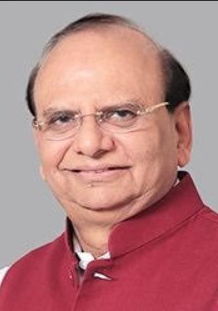
The decision, issued under the direction of Lieutenant Governor Vinai Kumar Saxena, prohibits the use and sale of chemical fertilisers across the Union Territory with immediate effect. Violations of the order will attract a minimum penalty of ₹10,000.
According to the official order, the prohibition has been introduced to safeguard Ladakh’s organic certification efforts, protect soil and water resources, promote sustainable agricultural practices, and establish the region as a model for organic farming while ensuring the long-term resilience of its agricultural sector.
Farmers and agricultural institutions have been instructed to rely exclusively on on-farm and off-farm organic inputs for crop production.
Strengthening India’s Organic Farming Agenda
The administration said the move aligns with Prime Minister Narendra Modi’s emphasis on expanding organic and natural farming, improving soil health and promoting climate-resilient agriculture. During the recent NITI Aayog Governing Council meeting, the Prime Minister encouraged states and Union Territories to accelerate the adoption of organic farming practices.
The Ladakh Administration stated that eliminating chemical fertilisers will help preserve the Union Territory’s fragile Himalayan ecosystem, conserve natural resources, strengthen organic value chains and enhance the market value of organically produced crops.
Commenting on the initiative, Lieutenant Governor Vinai Kumar Saxena said Ladakh’s unique agro-ecological conditions, rich biodiversity and longstanding traditional farming systems provide a strong foundation for fully organic agriculture. He noted that the transition is expected to protect the region’s environment, improve farmer access to premium organic markets and position Ladakh as a global model for sustainable high-altitude agriculture.
Organic Certification Progress
Ladakh has been promoting organic agriculture for several years, supported by its limited historical dependence on synthetic agricultural inputs. As part of its certification programme, 207 revenue villages have already been brought under organic certification.
The Agriculture Department has been designated as the nodal agency for implementing the ban. Supporting departments, including Horticulture, Cooperatives, and Rural Development & Panchayati Raj, will facilitate the transition through farmer awareness programmes, capacity building and improved access to organic inputs.
Authorities said enforcement agencies will monitor compliance, with penalties applicable to violations of the new regulations.
Also Read: Beyond Pesticides: Understanding the Real Causes of India’s Agricultural Export Rejections
Global Agriculture is an independent international media platform covering agri-business, policy, technology, and sustainability. For editorial collaborations, thought leadership, and strategic communications, write to pr@global-agriculture.com