BASF launches Apthena® beneficial insect attractant in the UK to support IPM
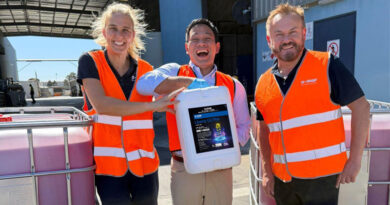
15 July 2026, Germany: BASF has launched Apthena®, a biological beneficial insect attractant in the UK designed to support Integrated Pest Management (IPM) programmes by enhancing natural aphid control. The product uses (E)-β-farnesene (EBF), a naturally occurring aphid alarm pheromone that attracts predators and parasitoids, including ladybirds and lacewings, helping growers manage aphid populations while reducing reliance on conventional insecticides.
According to BASF, Apthena® forms part of its biological crop protection portfolio alongside conventional crop protection products, seed traits and digital agriculture solutions. The company said the product is intended to complement existing IPM strategies rather than replace other crop protection measures.
Biological approach to aphid management
Aphids remain among the most damaging insect pests globally, causing crop losses through direct feeding and by transmitting plant viruses. With the number of available insecticide active ingredients declining and resistance concerns increasing, IPM approaches are becoming more important in crop protection programmes.
Tom Pope, Professor of Applied Entomology at Harper Adams University, said Apthena® provides an additional tool that can be integrated with other biological and cultural practices to encourage beneficial insects in crop fields.
Controlled-release formulation
While (E)-β-farnesene has long been recognised as the principal component of the aphid alarm pheromone, its commercial use has been limited by its rapid degradation after application.
BASF said Apthena® addresses this challenge through a proprietary encapsulation technology that enables the active ingredient to be released gradually over 20–30 days. The formulation uses natural and inert ingredients and does not contain microplastics.
Field trial results
According to BASF, laboratory Y-tube choice tests showed that ladybirds consistently moved towards air streams containing Apthena® compared with untreated controls.
Field evaluations also demonstrated positive results. In pea crops, the product increased the number of plants containing beneficial insects by 18%, while in sugar beet, aphid incidence declined from an average of 2% to 0.5%.
The company recommends applying Apthena® every 14 days at 0.3–0.5 L/ha with water volumes of 100–300 L/ha. BASF stated that the product becomes rainfast within 24 hours, does not require buffer zones or maximum application limits, and is compatible with approved crop protection products where additional pest management is required.
Expanding biologicals portfolio
The UK launch of Apthena® forms part of BASF’s broader investment in biological crop protection technologies. Earlier this year, the company commissioned a new BioHub fermentation facility in Ludwigshafen, Germany, to expand biological product development and manufacturing.
BASF’s biological portfolio also includes products such as Integral® Pro, Serifel®, the Nemasys® range of beneficial nematodes, while the biological insecticide Velifer® remains under development.
Also Read: Crystal Crop Protection Launches Six New Products for Kharif 2026
Global Agriculture is an independent international media platform covering agri-business, policy, technology, and sustainability. For editorial collaborations, thought leadership, and strategic communications, write to pr@global-agriculture.com