Forest Sector Employs 42 Million People Worldwide: FAO Study
14 April 2026, Rome: Forests and forest-based industries provide employment to approximately 42 million people worldwide, with women making up about one quarter of the global workforce, according to new research released by the Food and Agriculture Organization of the United Nations, International Labour Organization and the Thünen Institute of Forestry.
The report, titled Updated Methodology to Quantify Forest-Sector Employment: Global and Regional Estimates, offers new data that helps address major gaps in understanding employment trends in the global forest sector between 2011 and 2022.
The study is based on annual data from 182 countries, covering 99 percent of the world’s forest area. It also provides the first global employment estimates in the forest sector separated by gender.
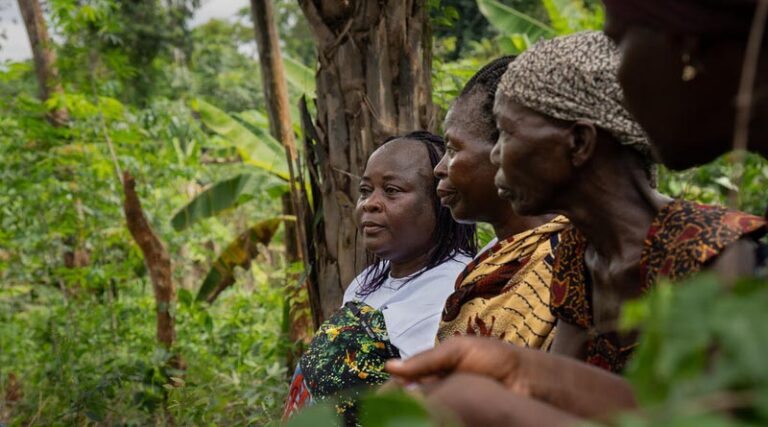
According to the findings, women hold nearly 10.6 million forest-sector jobs, accounting for 25 percent of total employment. However, the report highlights continuing gender gaps across regions. The widest disparity was recorded in Europe, where 1.8 percent of men and only 0.5 percent of women were employed in the forest sector in 2022. The gap was narrower across Africa, Asia and the Americas.
Zhimin Wu, FAO Assistant Director-General and Director of the Forestry Division, said better data is essential to building a more sustainable and resilient forest sector. He noted that internationally comparable employment data can support policies that protect both livelihoods and forests.
Forest Jobs Equal 1.2 Percent of Global Employment
The report estimates that in 2022, the forest sector accounted for around 1.2 percent of total global employment. Despite its significant contribution, total employment in the sector declined by approximately 3.1 percent compared with 2011.
Regional trends show that Asia continues to hold the largest share of forest-sector jobs in relation to total employment, at around 1.4 percent. In Europe, the share declined slightly from 1.3 percent in 2011 to 1.2 percent in 2022.
In Africa, employment levels fluctuated during the period, starting at 1.2 percent in 2011, rising to a peak in 2016, and then falling to 1.0 percent by 2022. In the Americas, employment remained relatively stable at around 0.8 percent, with only minor changes after the COVID-19 pandemic.
Wood Manufacturing Largest Source of Forest Employment
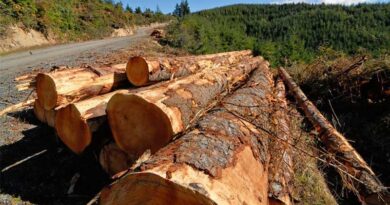
Among all forest-related activities, wood and wood product manufacturing remains the largest employer, accounting for nearly 58 percent of total forest-sector jobs. This is followed by forestry and logging, and pulp and paper manufacturing.
New Model Improves Employment Estimates
To improve the quality and consistency of forest employment data, the organizations developed the Forest Employment (FEM) model. The new system provides annual and gender-based estimates for the forest sector and its subsectors, creating a stronger evidence base for policy decisions and sector planning.
The model was developed as part of FAO’s Global Forest Resources Assessment 2025 initiative, with support from the European Union.
Compared with previous methods, the FEM model introduces annual estimates instead of three-year intervals and uses country-specific demographic, labour-market and forest-sector data to fill missing information more accurately.
Also Read: Isoxalanam: New Isoxazoline Insecticide Gets Provisional ISO Common Name Approval
Global Agriculture is an independent international media platform covering agri-business, policy, technology, and sustainability. For editorial collaborations, thought leadership, and strategic communications, write to pr@global-agriculture.com