Monitoring Critical As Slug And Pest Pressure Builds
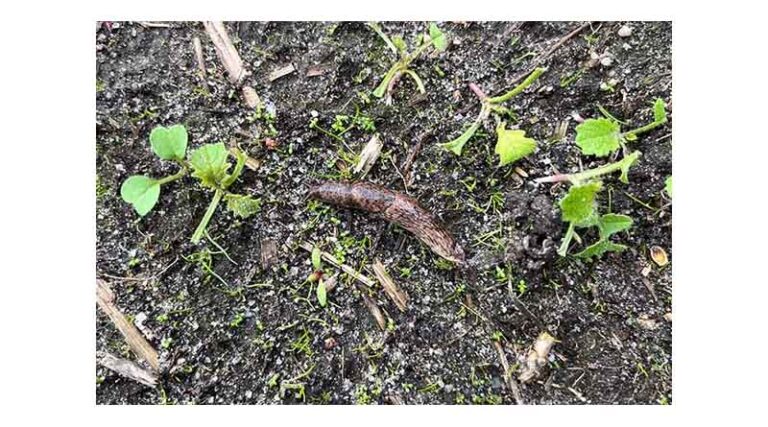
13 June 2026, AU: Growers across southern Australia are experiencing one of the most challenging crop establishment periods in recent years. Elevated slug numbers, increasing insect pressure and ongoing rainfall are creating favourable conditions for pest activity.
Although the severity varies between regions, our agronomists in South Australia and Victoria are reporting higher-than-normal pest populations. They talk about the conditions in their respective regions below and steps you can take.
South Australia
In South Australia, Elders agronomist Adam Hancock said slug pressure in the state’s southeast is at its highest level in several years. This follows favourable breeding conditions last spring and early summer.
“The slug pressure is a lot higher than what it has been the last couple of years. It’s probably been five years since it’s been this bad,” he said.
Adam attributed the increase to the wet, mild conditions experienced late last year.
“Last year we had a really wet, mild November and December, which allowed slugs to keep laying eggs well into summer. So now this year our slug population is really high.”
The increased pressure has resulted in many growers making multiple bait applications.
“Instead of baiting some paddocks once, every farmer is baiting every paddock twice, and some are baiting three times,” Adam said.
While baiting remains the primary control option, Adam said successful management depends on early detection and timely action.
“The monitoring is the key thing. The timing window is really small. You’ve got to be pretty proactive.”
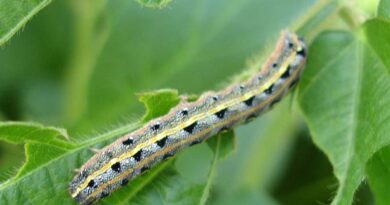
Beyond slugs, South Australian growers are also contending with green peach aphid in canola, as well as increased pressure from pill bugs, earwigs and false wireworm.
Adam encourages you to use slug mats, hessian bags or other monitoring stations to assess pest activity and help inform your management decisions, before damage escalates.
Western Victoria
Across western Victoria, Elders agronomist Mick Walsh reported a more mixed picture. While slug pressure overall has remained manageable, significant localised damage has been experienced in some higher-rainfall areas around Ballarat, Skipton, Derrinallum and Geelong.
“We’re hearing reports of isolated damage to canola patches, with some growers having to re-sow,” he said.
“With the loss of chlorpyrifos in canola, we have seen slightly more earwig damage and are starting to encounter more cutworm activity,” Mick said.
While many canola crops are beginning to outgrow the initial feeding damage, the continued wet conditions could lead to more slugs and snails hatching, which would increase the risk to crops and pastures.
In addition to slugs, Victorian growers are dealing with various other pests during the establishment phase, including:
- European earwigs,
- red-headed cockchafers, Argentinian scarabs,
- cutworms,
- false wireworms
- rabbits.
Image showing damaged faba bean seedlings
To stay ahead of potential outbreaks, Mick recommends that you continue to monitor your paddocks using mats, tiles or carpet squares in order to identify emerging hotspots before significant damage can occur.
Conclusion
Overall, early detection remains the best defence against established pests. Whether the pests are slugs, earwigs, aphids or soil-dwelling insects, regular monitoring provides you the best opportunity to intervene before economic damage occurs.
With continued rainfall across many cropping districts and elevated pest pressure, remain vigilant, monitor regularly and work closely with your local agronomist as conditions evolve.
The season is still unfolding, and timely action over the coming weeks is critical for protecting your crop establishment and maximising yield potential.
Also Read: UPL Recognized as Top Innovator in AgriBusiness at Clarivate South Asia Innovation Awards 2026
Global Agriculture is an independent international media platform covering agri-business, policy, technology, and sustainability. For editorial collaborations, thought leadership, and strategic communications, write to pr@global-agriculture.com