Direct Seeded Rice Adoption in India Could Save 35% Water and Reduce Cultivation Costs by ₹14,000 per Hectare: Rice Experts
10 March 2026, New Delhi: Direct Seeded Rice (DSR) has the potential to reduce water use in rice cultivation by up to 35 percent and lower production costs by as much as ₹14,000 per hectare, according to experts speaking at a conference organised by the Federation of Seed Industry of India (FSII) in New Delhi on Tuesday.
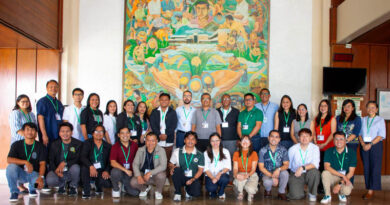
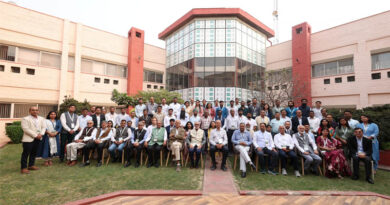
The 2nd edition of the conference on “Direct Seeded Rice (DSR) for Sustainable & Profitable Rice Production”, held at the NASC Complex on March 10, brought together policymakers, scientists, industry representatives and agricultural experts to discuss opportunities and challenges in scaling up DSR across India’s rice-growing regions.
Speakers highlighted that rice cultivation in India is facing increasing pressure due to unsustainable groundwater extraction, rising labour costs and the need to reduce agriculture’s environmental footprint.
Ajai Rana, Chairman of FSII and CEO & Managing Director of Savannah Seeds, said that the urgency for adopting more water-efficient rice production systems is evident from groundwater trends in key rice-growing states.
“In Punjab, groundwater extraction has reached nearly 156 percent of annual recharge, while Haryana stands at about 137 percent, indicating severe pressure on aquifers,” Rana said. “Producing one kilogram of rice requires roughly 3,000–5,000 litres of water, and agriculture accounts for nearly 80 percent of India’s freshwater withdrawals.”
Rana noted that the seed industry has been working with research institutions and farmers to enable the adoption of Direct Seeded Rice through technological innovations.
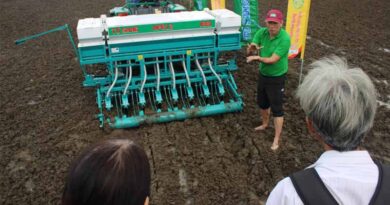
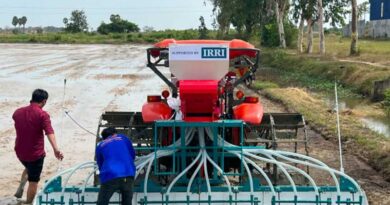
One of the major challenges in DSR cultivation is weed management. According to Rana, herbicide tolerance technologies developed through collaboration between public research institutions and the private sector are helping address this issue.
“During the last kharif season, nearly one lakh acres were cultivated under herbicide-tolerant rice through drill-based sowing, with the highest adoption reported from Madhya Pradesh and Chhattisgarh,” he said.
He also pointed out that emerging risks such as nematode infestation during germination are being addressed through ongoing research and innovation.
Dr P K Singh, Commissioner in the Ministry of Agriculture & Farmers Welfare, said that the adoption of DSR technologies has already begun to show encouraging results in several states.
“We are actively looking at new biologicals, improved crop protection chemistry and next-generation seed technologies, including hybrid and gene-edited varieties. When combined with improved agronomic practices, these innovations can significantly transform Indian agriculture and support more sustainable farming systems,” Singh said.
Dr Trilochan Mohapatra, Chairperson of the Protection of Plant Varieties and Farmers’ Rights Authority (PPVFRA) and former Secretary of the Department of Agricultural Research and Education (DARE) and Director General of ICAR, said DSR could play a key role in improving resource efficiency in rice cultivation.
“Direct Seeded Rice has the potential to significantly improve efficiency in rice production while reducing input costs for farmers,” Mohapatra said.
He estimated that 20 to 60 percent of India’s rice area could potentially shift to DSR depending on agro-ecological conditions. With India cultivating rice on nearly 44 million hectares, even partial adoption could lead to substantial savings in groundwater and energy used for irrigation pumping, while also reducing greenhouse gas emissions.
However, Mohapatra noted that adoption of new agricultural technologies often remains slow.
“Collaboration between the public and private sectors will be essential to support farmers in adopting Direct Seeded Rice and fully realising its economic and environmental benefits,” he said.
Dr A K Singh, former Director of the Indian Agricultural Research Institute (IARI), said rice will remain central to India’s food security but production systems must evolve to address emerging challenges related to natural resource conservation and climate change.
“Direct Seeded Rice offers an important pathway for sustainable intensification of rice systems, supported by strong research, improved seed varieties and effective extension services,” he said.
Also Read: From Rust Threat to Wheat Expansion in Ethiopia
Global Agriculture is an independent international media platform covering agri-business, policy, technology, and sustainability. For editorial collaborations, thought leadership, and strategic communications, write to pr@global-agriculture.com