Liveseeding Ends With Two Days Of Dialogue On The Future Of Organic Seeds And Plant Breeding In Europe
24 June 2026, Europe: FiBL in Brussels brought together policymakers, researchers and practitioners to showcase the results of the EU-funded LiveSeeding project and discuss the policy, innovation and financing conditions needed to strengthen organic seed systems in Europe.
At a time when the future of seed legislation and agricultural innovation is high on the European policy agenda, the LiveSeeding final conference – “Change Seeds, Grow the Difference” – brought together key actors from across the organic sector to discuss how Europe can build a more resilient, diverse and sustainable seed system.
A milestone for organic seeds in Europe
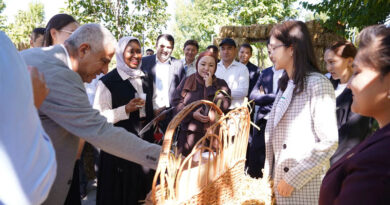
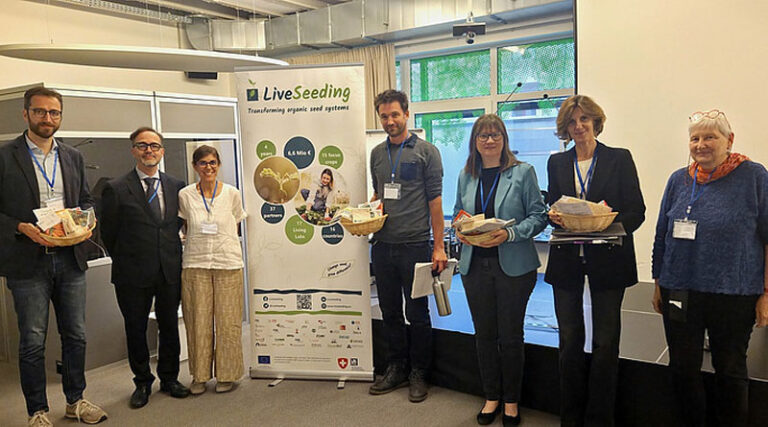
On 10 June 2026, FiBL in Brussels welcomed more than 70 participants on behalf of the LiveSeeding consortium. Policymakers, researchers, breeders, farmers, seed companies, and civil society representatives gathered to mark the conclusion of the four-year EU-funded project and reflect on the future of organic seeds and plant breeding in Europe. Throughout the project, LiveSeeding has worked to increase the availability and use of organic seeds and support Europe’s transition towards 100% organic seed use by 2036.
A timely contribution to the current EU policy landscape
The conference took place at a crucial moment for European agriculture. Just days before key EU decisions on the future Plant Reproductive Material (PRM) Regulation and amid ongoing discussions on New Genomic Techniques (NGTs), participants reflected on the policy framework needed to support resilient and diverse seed systems.
A central message emerging from the discussions was the importance of legislation that enables innovation while safeguarding diversity and farmers’ freedom of choice. Participants highlighted the need for regulatory frameworks that support organic and locally adapted cultivars and facilitate their access to the market.
As Monika Messmer, Scientific Co-Coordinator of LiveSeeding and Senior Scientist at FiBL, noted: “The future PRM framework should enable the marketing of different types of cultivars adapted and tested under organic farming conditions to face climate challenges. Innovation and diversity go hand in hand, and Europe needs legislation that enables both.”
A call for greater investment in organic research and innovation
The final conference built on discussions initiated the previous day during the LiveSeeding European Conference on Financing for Organic Seeds – “Grow the Difference and Scale It” – also facilitated by FiBL in Brussels.
Across the two events, participants examined both the policy and financing conditions needed to strengthen organic seed systems in Europe. A recurring message was that achieving resilient agricultural and food systems requires not only innovation and collaboration, but also supportive public policies, long-term research funding and greater public and private investment in organic plant breeding.
Reflecting on this challenge, Eduardo Cuoco, Director of IFOAM Organics Europe, stressed: “Investing in organic research and innovation in breeding through projects like LiveSeeding is essential for European sovereignty, food security and resilience.”
Key solutions for resilient food systems
The conference highlighted several priorities for advancing organic seeds and plant breeding in Europe. Discussions explored pathways towards greater organic seed use, showcasing progress across Member States, policy developments and practical tools to improve seed availability.
Speakers also presented approaches that can strengthen crop diversity and resilience, including participatory breeding, organic heterogeneous material and innovative cultivar systems. Examples from municipalities and Living Labs demonstrated how local food policies and multi-actor collaboration can contribute to promoting cultivated biodiversity.
The programme concluded with a discussion on sustainable financing and future perspectives for the sector. Representatives from the European Commission, the European Parliament, IFOAM Organics Europe, FiBL and industry stakeholders reflected on the policy, research and investment priorities needed to support long-term innovation and growth in organic seed systems.
Across the discussions, four key messages emerged:
- diversity is essential for resilient food systems;
- collaboration across the value chain drives innovation;
- supportive policies and sustained investment remain crucial;
- and while the transition to greater organic seed use is already underway, continued action is needed to sustain momentum.
Building a lasting legacy
The event concluded with a showcase of LiveSeeding innovations and results, demonstrating the project’s contribution to increasing cultivated biodiversity, strengthening organic seed availability and supporting breeding innovation across Europe.
Beyond the scientific achievements, the conference highlighted the strength of the network built through LiveSeeding and the shared commitment of researchers, breeders, policymakers and practitioners to continue advancing innovation and sustainability in European agriculture.
The legacy of LiveSeeding extends beyond its research results. The project paves the way for a stronger community equipped with the knowledge, tools and partnerships needed to continue advancing organic seed systems and breeding innovation well beyond the project’s lifetime.
Also Read: EU Mandates Digital Labels for Plant Protection Products from 2028
Global Agriculture is an independent international media platform covering agri-business, policy, technology, and sustainability. For editorial collaborations, thought leadership, and strategic communications, write to pr@global-agriculture.com