Nepal Clarifies No Ban on Indian Mango Imports, Phytosanitary Measures Remain in Force
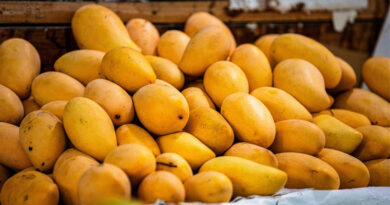
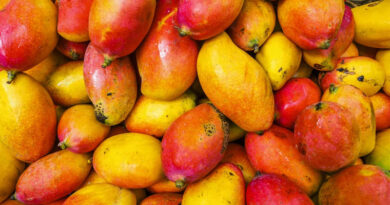
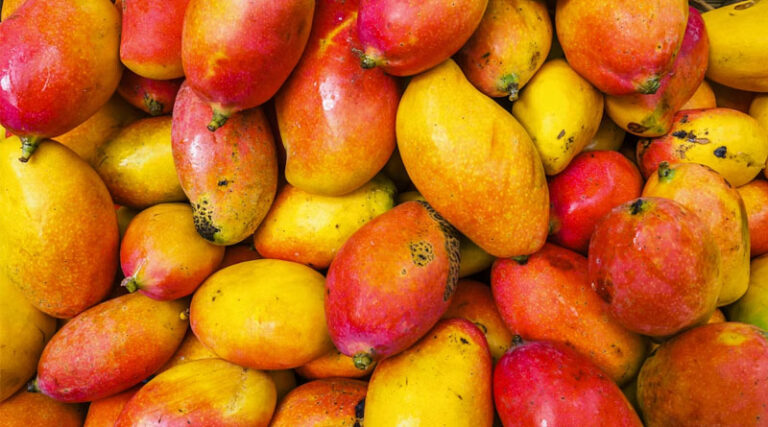
10 June 2026, Nepal: The Government of Nepal has clarified that it has not imposed any ban on the import of mangoes from India, countering reports circulating in sections of the media and on social media platforms.
In an official statement issued on June 10, 2026, Nepal’s Plant Quarantine and Pesticide Management Center (PQPMC), operating under the Ministry of Agriculture, Forests and Environment, stated that imports of Indian mangoes continue to be permitted subject to prescribed phytosanitary requirements.
The clarification comes after reports suggested that Nepal had restricted or halted mango imports from India. The PQPMC emphasized that the country’s National Plant Protection Organization (NPPO) routinely conducts Pest Risk Analysis (PRA) as part of its biosecurity framework under the Plant Quarantine and Protection Act, 2064.
According to the Center, the measures currently applicable to Indian mango imports are phytosanitary in nature and are consistent with international plant protection practices. These include requirements related to freedom from specified pests and a hot-water treatment protocol under which mangoes must be treated at 48°C for one hour before export.
“The Center has not imposed any ban on the import of Indian mangoes,” the statement said. It further noted that import permits are being issued upon request and that release orders for imported consignments are being granted based on phytosanitary certificates issued by the National Plant Protection Organization of the Government of India.
The clarification is expected to provide reassurance to mango exporters, traders and importers involved in the India-Nepal fruit trade during the peak mango marketing season. India is a major supplier of fresh fruits to Nepal, with mangoes among the most widely traded seasonal commodities between the two neighboring countries.
Nepal’s authorities reiterated that the phytosanitary measures are intended solely to prevent the introduction of high-risk pests and to safeguard the country’s agricultural ecosystem, while facilitating safe and compliant trade.
Q&A: Nepal Clarifies Position on Indian Mango Imports
No. Nepal’s Plant Quarantine and Pesticide Management Center (PQPMC) has clarified that it has not imposed any ban on the import of Indian mangoes.
The clarification was issued after reports circulated in some media outlets and on social media platforms claiming that Nepal had banned Indian mango imports. The government stated that these reports were incorrect.
The PQPMC serves as Nepal’s National Plant Protection Organization (NPPO) and is responsible for implementing plant quarantine regulations, conducting pest risk assessments, and adopting biosecurity measures to protect the country’s agriculture from invasive pests and diseases.
Nepal has adopted phytosanitary measures rather than import restrictions. These include requirements that mango consignments be free from specified pests and undergo hot-water treatment at 48°C for one hour before export.
The measures are intended to prevent the entry of high-risk pests into Nepal. They are based on Pest Risk Analysis (PRA) conducted under Nepal’s Plant Quarantine and Protection Act, 2064, and are consistent with international plant protection practices.
Yes. Nepal has confirmed that import permits continue to be issued upon request.
Yes. Nepal is issuing release orders for mango imports based on the phytosanitary certificates provided by the National Plant Protection Organization (NPPO) of the Government of India.
No. The clarification simply confirms that existing phytosanitary requirements remain in force and that trade in Indian mangoes is continuing as normal.
The clarification provides assurance that Indian mango exports to Nepal can continue, provided exporters comply with the prescribed phytosanitary requirements and certification procedures.
Nepal’s authorities have emphasized that the country’s objective is to protect agriculture from potential pest threats while continuing to facilitate safe and compliant trade with India. There is no prohibition on Indian mango imports.
Also Read: UPL Recognized as Top Innovator in AgriBusiness at Clarivate South Asia Innovation Awards 2026
Global Agriculture is an independent international media platform covering agri-business, policy, technology, and sustainability. For editorial collaborations, thought leadership, and strategic communications, write to pr@global-agriculture.com