
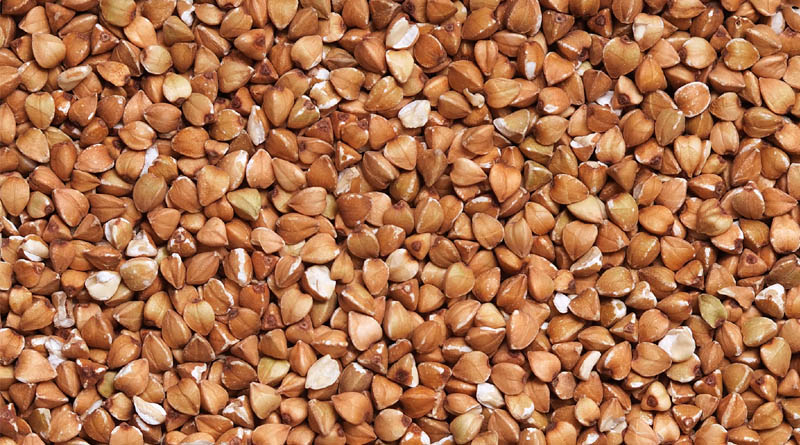
Tartary Buckwheat

Get the latest Tartary Buckwheat news, research and developments covering crop breeding, genetics, cultivation, nutritional quality, seed production and climate adaptation. Tartary buckwheat (Fagopyrum tataricum) is an annual pseudocereal cultivated in Himalayan and other high-altitude regions. It is valued for its adaptability to cold conditions and relatively poor soils, as well as its flavonoid content, including rutin.

Research focuses on improving grain yield, seed size, plant architecture, lodging resistance, ease of dehulling and nutritional composition. Breeding programmes are using genetic diversity, wild relatives, genome sequencing, pangenome analysis and gene-editing tools to identify useful traits. A 2026 study using a pangenome of wild populations and cultivated landraces identified genetic variations associated with high-altitude adaptation and seed size, helping researchers develop breeding lines with improved yield and environmental adaptability.

Find updates on new varieties, germplasm conservation, field trials, cultivation practices, crop nutrition and emerging breeding technologies. Coverage also includes research on nitrogen management, drought and cold tolerance, flavonoid accumulation, food processing and the crop’s potential in sustainable farming and food diversification, particularly in mountain regions where climate conditions limit the cultivation of other crops.