The lessons and opportunities shaping the future of CGIAR Multifunctional Landscapes
18 November 2026, Germany: Land degradation, water insecurity and biodiversity loss are putting pressure on food production and livelihoods. Changing diets, migration, wealth inequality and unstable markets add to the challenge. These pressures meet in landscapes – the same places, where decisions about farming, forests, water and other resources affect both the health of ecosystems and people’s wellbeing.
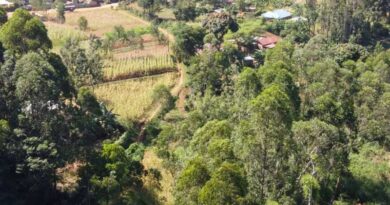
The CGIAR Multifunctional Landscapes Science Program brings science and partnerships together to address these connections. The Program works towards landscapes in which people can sustain food production and livelihoods while conserving biodiversity and restoring ecosystems. Its Living Landscapes are defined geographic areas where researchers, communities and partners work together on connected challenges in food, land and water systems. They identify shared priorities and develop responses that bring different fields of research into the same landscape, learning how these approaches can work together.
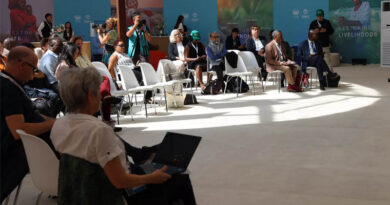
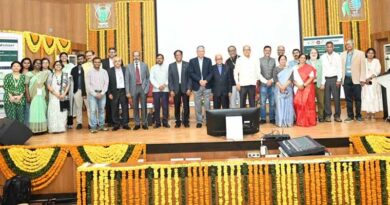
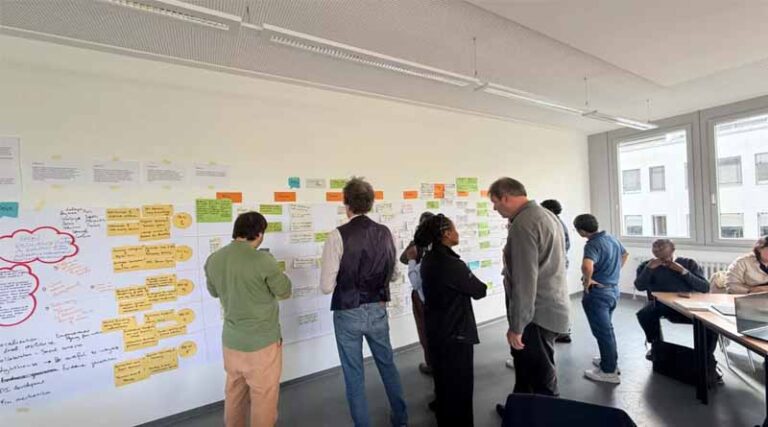
As this work develops, we are learning more about what it takes to put that ambition into practice. Our September 2026 planning meeting and related writeshops at the University of Göttingen brought together colleagues from the five Areas of Work, country coordinators and partners to share preliminary lessons and examine how they should shape our priorities for 2027 and beyond. A central theme emerged: the connections between scientific disciplines need to be matched by stronger connections with local priorities and the conditions that make action possible.
Integration starts with a shared landscape priority
The CGIAR Multifunctional Landscapes Science Program organizes its research through five Areas of Work covering production, conservation and restoration; landscape planning; markets and finance; governance and inclusion; and evidence of change. Area of Work leads and science block focal points connect expertise across disciplines, and country coordinators connect that expertise with the local priorities, partners and conditions for action in each Living Landscape.
Country priorities help shape scientific and landscape action plans around shared challenges, while clarifying the responsibilities and partnerships needed to support work across disciplines.
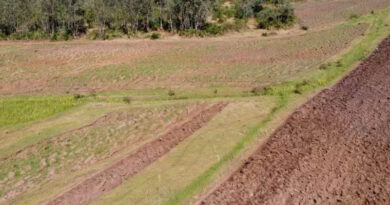
In India, for example, priorities include addressing the mismatch between cropping systems and available resources through landscape planning that accounts for how much water is available and how it is used. Work on crops and water must connect with decisions about land use and the institutions responsible for them. This illustrates why the landscape’s needs must help determine how scientific expertise is brought together.
For 2027, the Program is placing greater emphasis on practical research in the Living Landscapes, with assessments linked to the actions they can inform. Closer alignment with the Landscape Vision-to-Action approach, through which partners agree on a shared future and steps towards it, is part of this direction. The aim is to give communities and local institutions a clearer connection between the priorities they identify and the research supporting their plans.
Progress must reflect people’s lives as well as ecosystem health
Another lesson concerns what we count as progress. Our review identified a need to make the social dimension of landscape change more explicit. Improving environmental conditions is central to our ambition, alongside understanding how benefits are shared and whose priorities influence decisions.
Colombia’s priorities, for instance, include strengthening the participation of Indigenous women and youth in environmental governance and food and nutrition decisions. Such priorities call for research that examines people’s influence over landscape change as well as its effects on their lives.
This is shaping our work on evidence. A common assessment structure was agreed in Göttingen, and draft methods advanced for land health, biodiversity and water indicators. Land health assessment brings together soil health, vegetation cover, water quality and biodiversity dimensions that support ecosystem functions. A complementary research effort is exploring how ecological measures can sit alongside livelihoods, equity, health and safety, using community-defined aspirations as a reference for progress.
This work also needs to examine how power and governance influence whose knowledge shapes decisions. Questions of justice include how the costs and benefits of landscape change are shared.
The next steps include technical review and, where feasible, testing selected assessment methods in one or two Living Landscapes. This will help establish what works with available data and what needs refining. Over time, more consistent environmental evidence and a fuller understanding of social-ecological change should help partners assess which approaches are worth sustaining and where adjustments are needed.
Finance needs to fit the activity and its benefits
The work on landscape finance brought another lesson into focus: different activities require different sources and types of finance. Their potential returns and the time needed to realize benefits vary. Some environmental and social benefits are difficult to express in financial terms, and their value should not depend on whether they generate a commercial return.
“Landscape finance starts with understanding who bears the costs, who benefits and how activities can be sustained over time,” says Lennart Hientz of the International Livestock Research Institute, who participated as a writeshop lead. “This helps identify where commercial investment is feasible and where public funding or grants are needed.”
Land tenure issues, high coordination costs and unsuitable investment time frames can also prevent promising approaches from attracting support. Understanding these barriers helps us see where scientific and technical work needs to connect with governance, institutions and finance. For companies sourcing from a landscape, more reliable supply, lower losses and reduced exposure to environmental risks may provide a business case for investment.
Our next priorities include examining which financing mechanisms suit particular activities, under what conditions, and how they might be combined. This includes exploring financial orchestration: coordinating landscape activities, sources of finance and the timing of funding. Research could examine how these arrangements work in practice and who could coordinate them.
A planned discussion paper will bring together investment barriers and possible responses. The challenges will also be mapped to the Areas of Work that could help address them. For development partners and investors, this research should clarify the kinds of support different landscape activities need to become viable and endure.
Long term ambitions need pathways that can adapt
Looking further ahead, we also need a clearer account of how our work can contribute to the Program’s impact targets. The planning process identified a gap between those ambitions and a quantified roadmap showing how to reach them.
Proposed modelling work would connect targets with suitable analytical tools, combining national perspectives with more detailed landscape evidence, including livestock and hydrology models. The assumptions behind these models will need careful examination because interventions differ between landscapes. This work would help identify priority actions and show where plans may need to change as conditions evolve.
Together, these lessons are shaping a more specific agenda for CGIAR Multifunctional Landscapes. Partners should see research plans more closely tied to landscape priorities, greater attention to the relationship between environmental and social change, and further work on the financing and institutional conditions needed for action.
The Living Landscapes will be central to putting this agenda into practice and informing how it develops. Our ambition is for what we learn with partners to influence the next round of decisions, so that research remains responsive to the people and places it is intended to serve.
Putting these priorities into practice will require sustained investment and strong partnerships. We invite funders, investors and development partners to work with CGIAR Multifunctional Landscapes to test approaches in Living Landscapes and build the evidence needed to expand those that prove effective. Support for this next phase can help connect scientific advances with the finance, institutions and local capabilities needed to sustain healthier ecosystems and better livelihoods.
Also Read: Mahindra Launches 50 HP Compact Harvester Harvest Yuva for Small Farms
Global Agriculture is an independent international media platform covering agri-business, policy, technology, and sustainability. For editorial collaborations, thought leadership, and strategic communications, write to pr@global-agriculture.com