El Niño Drought Nears ₱10 Billion in Philippine Farm Losses
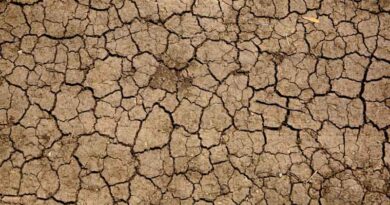
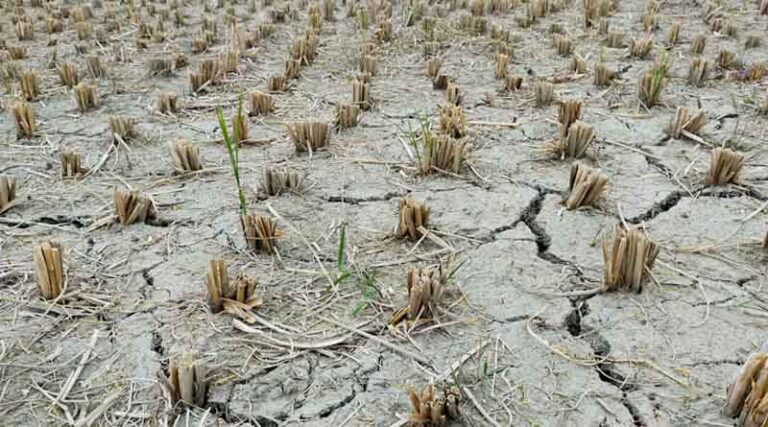
14 November 2026, Manila, PH: El Niño-driven dry conditions have caused an estimated 9.99 billion pesos in damage and losses to Philippine agriculture so far this cropping season, affecting more than 324,000 farmers across 323,000 hectares of farmland, the Department of Agriculture’s Disaster Risk Reduction and Management Operations Center reported this week.
The losses span rice, corn, cassava, high-value crops, and livestock and poultry, and have been recorded across 15 regions stretching from the Cordillera Administrative Region in northern Luzon to Caraga in northeastern Mindanao, including Ilocos, Cagayan Valley, Central Luzon, Calabarzon, Mimaropa, Bicol, Western Visayas, Negros Island, Central Visayas, Eastern Visayas, Zamboanga Peninsula, Davao and Soccsksargen.
Rice production losses reached 108,881 metric tons, equivalent to 1.12 percent of the government’s 9.7 million ton target for the second half of 2026, while corn losses totaled 161,166 metric tons, or 1.83 percent of the 8.8 million ton annual target. Cassava losses were smaller in volume at 192 metric tons but were valued at 5.6 million pesos, with 151 hectares of cassava farmland destroyed outright. High-value crops suffered the largest financial toll among the crop categories, with 18,185 metric tons lost across 6,036 hectares, valued at 655.74 million pesos. Livestock and poultry losses totaled 8,089 animals, including swine, carabao, ducks, chickens, goats, cattle, turkeys and geese, valued at 40.83 million pesos.
A severe El Niño, with more to come
The Philippine Atmospheric, Geophysical and Astronomical Services Administration said in its November 4 update that a very strong El Niño is currently present in the tropical Pacific and is expected to persist into the first half of 2027, with the event potentially reaching its peak intensity by the end of 2026. That forecast suggests the agricultural toll recorded so far may not represent the full extent of this season’s damage.
The Department of Agriculture now projects 2026 rice output at roughly 18.6 million metric tons, down about 1 million tons from 2025, and expects corn production to fall by around 500,000 metric tons from the prior year. The department attributed part of the decline in both crops to higher fertilizer and fuel costs in addition to the dry weather, rather than to El Niño alone.
In response to the damage, the Department of Agriculture said it has already extended 18.64 billion pesos in initial interventions to affected farmers, and is continuing to monitor drought-vulnerable areas for further deterioration. The department has also been running Kadiwa market activities to help move fish and fishery products to buyers as producers in some regions cope with reduced output. As of November 11, water levels at the country’s major dams were reported as generally stable, though the San Roque Dam was recorded above its normal high water level, a reading that officials are continuing to track as the dry season progresses toward its expected peak.
The 288,424 metric tons of crop production lost across rice, corn, cassava and high-value crops, combined with the livestock and poultry toll, underscores the breadth of a dry spell that officials say has not yet reached its most intense phase.
El Niño episodes develop when surface waters in the central and eastern Pacific Ocean warm above average, a shift that alters global wind and rainfall patterns and typically brings below-normal rainfall and higher temperatures to the Philippines and much of Southeast Asia. The effects are felt unevenly across the archipelago, with some provinces experiencing prolonged dry spells that stress rain-fed rice and corn fields while others see disruptions to irrigation sources that farmers rely on even when direct rainfall deficits are less severe. Fisherfolk can also be affected, as changing sea temperatures and currents shift the location and abundance of catch in coastal waters.
Local government units in the hardest-hit provinces have been coordinating with the Department of Agriculture’s regional offices to identify farmers eligible for seed and input assistance, part of the broader package of interventions the department says it has already begun distributing. With PAGASA forecasting the current episode to persist through the first half of 2027, officials have said monitoring of water levels at major irrigation dams, including San Roque, will continue on a near-daily basis through the remainder of the dry season to help time water releases for both drinking supply and agricultural use.
Also Read: Crystal Crop Protection to Launch Rs 455 Crore IPO on November 18
Global Agriculture is an independent international media platform covering agri-business, policy, technology, and sustainability. For editorial collaborations, thought leadership, and strategic communications, write to pr@global-agriculture.com