El Niño Drought Triggers Emergency Declarations Across Central America
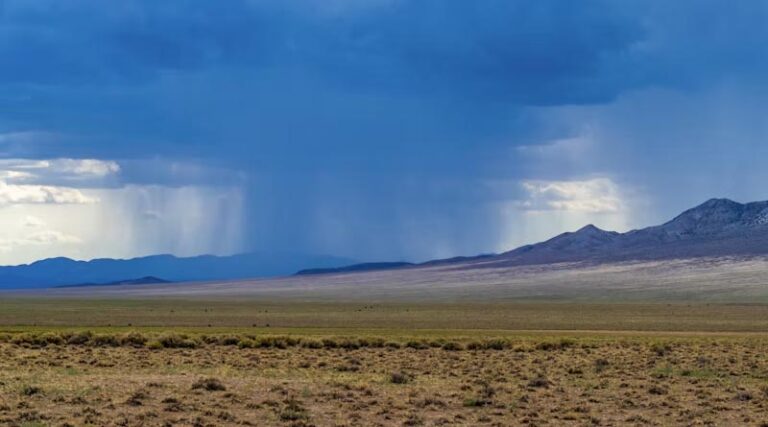
14 September 2026, San Salvador, El Salvador: An intensifying El Niño event has pushed three Central American governments to declare drought emergencies over the past month, as the region’s Dry Corridor suffers what officials and international monitors describe as a severe failure of the maize and bean harvest that millions of smallholder families depend on.
El Salvador’s environment ministry declared a nationwide Red Alert for meteorological and agricultural drought on August 25, citing persistent rainfall irregularities. Honduras, which had already declared a drought emergency on August 19, expanded its own Red Alert from 75 to 103 municipalities a week later. Panama declared a national State of Emergency under Resolution No. 102-26, covering drought as well as related flooding and landslide risks. The European Commission’s Joint Research Centre, in an assessment published September 3, said the drought had devastated maize and bean harvests across the Dry Corridor and put more than 3.2 million people in Guatemala alone into acute humanitarian need.
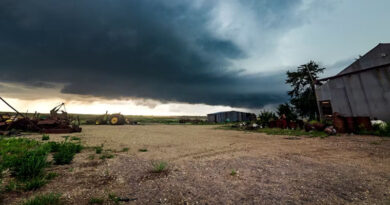
The numbers behind the declarations point to an unusually severe dry spell rather than a routine seasonal shortfall. El Salvador recorded a 41 percent rainfall deficit in May, and the current dry episode, which began on August 7, produced up to 19 consecutive days without rain in some areas. Fourteen temperature records were set in the country in August, including a peak of 43.9 degrees Celsius (111 degrees Fahrenheit) recorded at Santa Rosa de Lima. El Salvador’s environment ministry has forecast a 70 to 90 percent probability of below-normal rainfall in its paracentral and eastern zones through October, with somewhat lower but still elevated risk in central and western areas. Panama, meanwhile, is forecasting rainfall deficits extending from October through March 2027, with eleven watersheds already under water stress in ways that threaten both hydroelectric generation and drinking-water treatment capacity.
The US National Oceanic and Atmospheric Administration has put the probability of a very strong El Niño event this year above 90 percent, with a 69 percent chance that conditions in the October-to-December window could exceed anything recorded since 1950. That scale of event is what is driving the JRC’s broader global assessment, which extends well beyond Central America.
A pattern repeating across three continents
The JRC bulletin describes East Africa as facing a parallel crisis, with heat and prolonged drought degrading rangelands and cutting crop yields to the point that fourteen areas are now at immediate risk of famine without humanitarian intervention. Sudan and South Sudan are seeing climate extremes compound already severe conflict-driven food insecurity. Southern Africa presents a more mixed picture: this year’s cereal harvest, at an estimated 43.4 million tonnes, actually came in nearly 10 percent above the five-year average, but the JRC warns that widespread drier-than-average conditions are likely across South Africa, Namibia, Botswana, Zimbabwe, Mozambique and Madagascar just as the region enters its October-to-December planting window, raising the risk that this year’s relative comfort does not carry into next season. West and Central Africa are faring closer to average, though pockets of Nigeria’s Middle Belt, Mali, Burkina Faso, Benin and Chad continue to show poor crop conditions. By contrast, the Middle East, North Africa, Central and South Asia, and southern South America are all reporting favorable growing conditions this cycle, an unevenness that is characteristic of how El Niño redistributes rainfall globally rather than reducing it everywhere at once.
The humanitarian scale attached to these numbers is significant even beyond agriculture. The JRC assessment separately flags 14 million people in Afghanistan and 17 million in Yemen as facing severe or acute food insecurity, underscoring how a single climate driver can compound existing fragility in food systems that were already under strain from conflict or economic crisis. The centre’s next assessment is due at the end of September, which should show whether the Central American emergency declarations are containing further losses or whether the picture is still worsening.
Also Read: UPL Expands Nature-Based Agriculture Portfolio with Investment in Japan’s PhytoChrome
Global Agriculture is an independent international media platform covering agri-business, policy, technology, and sustainability. For editorial collaborations, thought leadership, and strategic communications, write to pr@global-agriculture.com