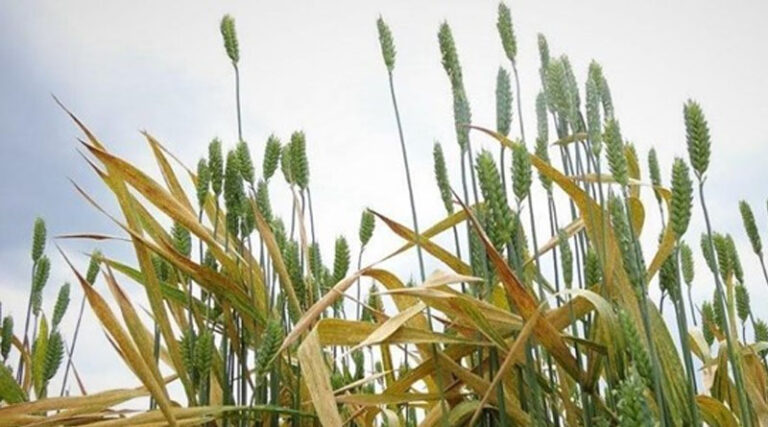
As Spring Arrives, New Threats Flourish For Wheat Crops
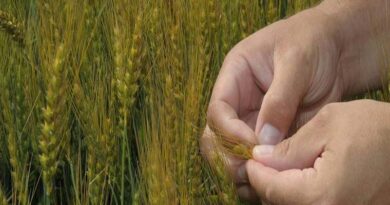
14 April 2026, Rome: Wheat blast, a devastating disease caused by the fungus, has recently appeared in Bangladesh and Zambia, raising fears of further expansion in Asia and Africa. Originally only in South America, scientific studies warn that countries with limited surveillance and biosecurity systems are particularly at risk, as early detection and containment remain challenging.
Wheat, one of the world’s most essential staple crops, contributes to global food security. Yet, as spring brings renewed growth across fields, it also ushers in a wave of emerging plant diseases that threaten yields across continents. From Asia to Europe and Africa, farmers are facing evolving pathogens.
If left unchecked, wheat blast can cause severe yield losses, sometimes wiping out entire fields under favourable conditions.
New yellow rust race threatens Europe
In Europe, wheat crops are confronting a newly emerging race of yellow rust fungus. This disease, common in cool and humid environments, has long been managed through resistant varieties. However, the new race has demonstrated the ability to overcome the widely used YR15 resistance gene.
First identified in the United Kingdom of Great Britain and Northern Ireland and subsequently detected in other parts of Europe, this strain is expected to spread further. Experts caution that its trajectory may mirror that of the “Warrior” race (PstS7), which rapidly expanded across Europe, the Mediterranean, and into Asia during the 2010s.
According to plant pathologists, the breakdown of key resistance genes signals a need to rethink breeding strategies and diversify resistance sources.
Spring conditions favour disease spread
Springtime conditions, particularly increased rainfall and moderate temperatures, create an ideal environment for this disease to thrive. Countries experiencing higher precipitation are especially vulnerable to outbreaks during this period. The combination of conducive weather and emerging pathogen strains significantly raises the risk of epidemics, putting both yields and farmer livelihoods at stake.
Importance of investment and international collaboration
Initiatives by the Food and Agriculture Organization of the United Nations (FAO), through its FAO-Türkiye Partnership Programme, have supported affected countries in strengthening their capacity and enhancing collaboration across Central Asia and the Caucasus.
In particular, the recently concluded project “Strengthening regional collaboration and national capacities for management of wheat rust diseases and resistance breeding in Central Asia and the Caucasus (CAC-Rust)” has focused on improving disease surveillance, facilitating knowledge sharing, and strengthening breeding programs. However, the emergence of new pathogen races highlights the need for sustained and expanded collaboration.
Agricultural experts stress that “no single country can address these challenges alone; international partnerships are essential to safeguard global food supplies.”
For farmers and policymakers
Addressing these threats requires a coordinated and proactive approach such as increased vigilance among farmers to conduct more frequent field surveys to detect early signs of disease. Timely application of registered fungicides is critical to limit the spread in the event of outbreaks, while information sharing strengthens communication between farmers, researchers, and authorities can improve response times.
Düşünceli advised that: “Countries and partners should invest more in monitoring systems and research to develop new, disease-resistant wheat varieties, as this represents one of the most sustainable long-term solutions.” Such support should also strengthen extension services, ensuring that farmers have access to up-to-date guidance and tools.
As wheat crops enter a critical growth phase this spring, the convergence of new diseases and favorable environmental conditions presents a serious challenge. A combination of vigilance, innovation, and international cooperation will be essential to better support agricultural communities in protecting their wheat. Ends
Also Read: Isoxalanam: New Isoxazoline Insecticide Gets Provisional ISO Common Name Approval
Global Agriculture is an independent international media platform covering agri-business, policy, technology, and sustainability. For editorial collaborations, thought leadership, and strategic communications, write to pr@global-agriculture.com