11 November 2026, Rome, IT: The Food and Agriculture Organization’s Food Price Index averaged 133.9 points in October, down 1.6 points, or 1.2 percent, from a revised September level, marking the third consecutive monthly decline, the UN agency said in its latest monthly release. The index remained 5.9 percent above its level a year earlier but stayed 16.4 percent below the record high reached in March 2022.
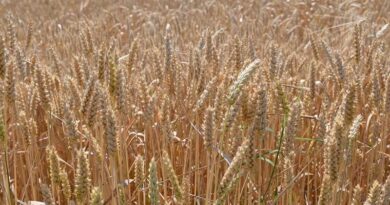
The overall decline masked sharply divergent moves across commodity groups. FAO’s cereal price sub-index fell 4.5 percent from September. Wheat prices eased after four consecutive monthly rises, a move FAO attributed largely to subdued international demand and an improving production outlook, particularly in Argentina, along with an expected easing of Black Sea export constraints, although continued logistics disruptions in that region limited how far prices fell. Maize prices also retreated after touching a three-year high in September, pressured by the ongoing US harvest, ample supplies from major South American exporters and prospects of easing Black Sea tensions. Rice moved against the broader trend, with FAO’s All Rice Price Index rising 1.6 percent on harvest delays among some exporters, adverse weather and higher production costs.
Sugar Extends Rally as Vegetable Oils Hold Firm
FAO’s vegetable oil sub-index edged up 0.3 percent, as a rise in soybean oil prices, which reached their highest level since late 2022 on firm biodiesel demand and seasonally declining South American supplies, offset a drop in rapeseed oil. Sunflower oil rebounded from multi-month lows on tight export availability from the Black Sea region. Meat prices fell 1.2 percent, with pig meat, ovine and bovine prices all declining while poultry held broadly stable. Dairy prices slipped 1.1 percent as butter and cheese prices fell on ample supplies and subdued demand, even as milk powder prices rose.
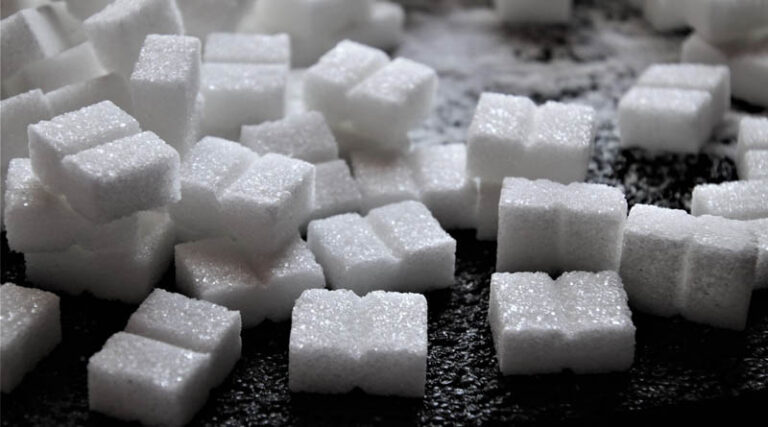
Sugar was the standout mover, climbing 6.6 percent from September and sitting 28.8 percent above its year-earlier level, the fourth consecutive monthly increase and the highest reading since December 2024. FAO linked the rise to rainfall that disrupted cane harvesting and crushing in Brazil’s Centre-South region, along with production concerns for the 2026/27 season in India, the European Union and Thailand.
The same release included FAO’s Cereal Supply and Demand Brief, which forecast 2026 world cereal production at 2.999 billion tonnes, down from 2025’s record but still the second-highest output on record. World rice production was forecast to fall 2.5 percent to 552 million tonnes, the first contraction in four seasons, which FAO attributed to poor producer margins and El Nino-related weather disruption. Global cereal utilization for 2026/27 was projected to rise 0.2 percent to 2.971 billion tonnes, while world cereal stocks were forecast to increase by 17.2 million tonnes, or 1.8 percent, by the close of the 2027 seasons, mainly on higher wheat inventories in Russia and Ukraine, putting the global stocks-to-use ratio at 32.4 percent. World cereal trade for 2026/27 was projected to fall 3.3 percent to 507.7 million tonnes, with wheat trade down 8.6 percent. FAO also reported that 41 countries, including 31 in Africa, currently require external assistance for food, while cereal production across low-income food-deficit countries stood at roughly 126.5 million tonnes for 2026.
Global Agriculture is an independent international media platform covering agri-business, policy, technology, and sustainability. For editorial collaborations, thought leadership, and strategic communications, write to pr@global-agriculture.com