Bird Flu Outbreaks Spread Across England as Migration Peaks
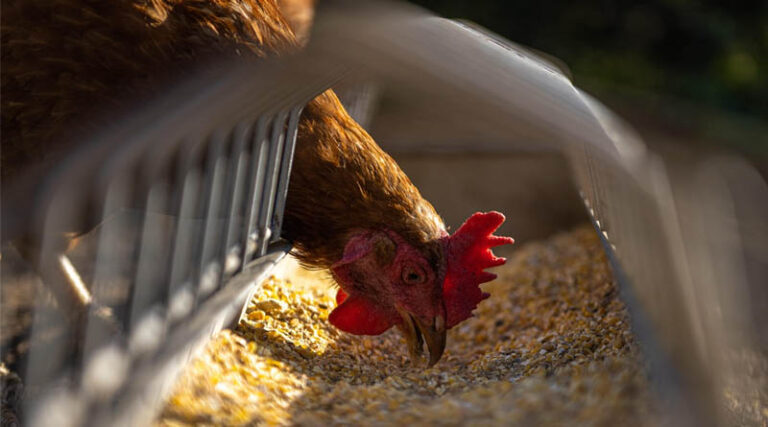
11 November 2026, London, GB: Britain’s poultry sector is contending with a fresh run of bird flu outbreaks as wild bird migration continues through the autumn, with two further cases of highly pathogenic avian influenza, commonly known as HPAI H5N1, confirmed in England on November 7. One outbreak was identified at a mixed poultry premises near Garstang in Wyre, Lancashire, which housed meat turkeys, geese and chickens alongside companion ducks, pheasants, peacocks and guinea fowl. The second was confirmed at a free-range laying flock near Pocklington in the East Riding of Yorkshire.
The new cases follow a separate outbreak confirmed on November 2 at a commercial free-range laying flock near Biggar in the Scottish Borders. A 3 kilometre protection zone and a 10 kilometre surveillance zone have been put in place around each infected premises, standard measures used to limit the spread of the virus to neighbouring flocks while affected birds are culled and the sites are disinfected. Separately, an outbreak of the H5N5 strain of avian influenza, confirmed in early October at a small backyard flock on the Isle of Lewis, has now been brought under control, with its 10 kilometre surveillance zone lifted on November 5.
Risk Remains Elevated for Mixed and Backyard Flocks
Current assessments put the risk to UK poultry from HPAI H5 circulating in wild birds at medium overall, rising to a higher likelihood of infection on premises with poor or suboptimal biosecurity, and falling to very low on sites maintaining strict biosecurity measures. Poultry keepers, particularly those running mixed-species holdings that combine commercial birds with pet or ornamental species, are being urged to maintain rigorous biosecurity practices and to keep close records of feed and water intake, since a sudden drop in consumption can be an early warning sign of infection.
Avian influenza outbreaks in the UK typically follow a seasonal pattern tied to the autumn and winter migration of wild waterfowl from northern Europe and Siberia, which can carry the virus into contact with domestic flocks through shared water sources, feed or droppings. Premises identified with infection are required to cull affected birds, and movement restrictions apply within the protection and surveillance zones until testing confirms the virus has been eliminated from the area. Keepers across England, Scotland and Wales are advised to report any suspected signs of infection, including sudden deaths, respiratory symptoms or a drop in egg production, without delay to help contain further spread as the migration season continues.
Also Read: USDA Prepares $8 Billion Harvest Fuel Relief Payments for Farmers
Global Agriculture is an independent international media platform covering agri-business, policy, technology, and sustainability. For editorial collaborations, thought leadership, and strategic communications, write to pr@global-agriculture.com