Weather risks, Middle East conflict and Black Sea trade disruptions push up prices of major food commodities
05 September 2026, Rome: The FAO Food Price Index rose in August as weather-related risks, geopolitical tensions and trade disruptions increased concerns over global food commodity supplies, according to data released by the Food and Agriculture Organization of the United Nations (FAO).
The index, which tracks monthly changes in international prices of a basket of globally traded food commodities, averaged 133.3 points in August 2026, up 1.9% from July and 2.5% from August 2025.
“August’s increase in global food prices is a warning that the risk premium is returning to food markets: climate shocks, geopolitical tensions and disrupted trade logistics are converging to tighten supply expectations, showing that resilience, open trade and secure input flows are now central to global food-price stability,” said FAO Chief Economist Maximo Torero.
The FAO Cereal Price Index increased 2.2% from July, with international prices of wheat, maize and rice all rising.
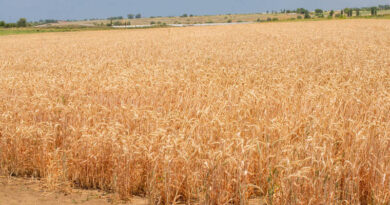
Wheat prices increased 2.6% in August and were 15.0% above their year-earlier level. FAO attributed the increase to continued disruptions to Black Sea export logistics, lower production prospects in parts of Europe following hot and dry weather, and a weaker US dollar.
Maize prices rose 2.5% from July. The increase reflected concerns over yields in parts of the United States, weaker production prospects in the European Union, demand from the ethanol and feed sectors, input disruptions linked to the closure of the Strait of Hormuz, and disruptions to Ukrainian export flows.
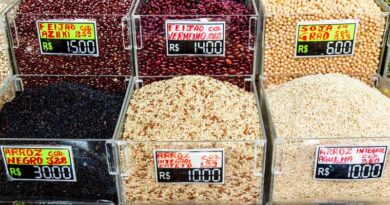
The FAO All Rice Price Index increased 0.5%, supported by continued purchases from Asian and African countries.
Vegetable oil, meat and dairy prices rise
The FAO Vegetable Oil Price Index increased 1.1% from July, driven by higher palm and soy oil prices amid strong global import demand and concerns over the effects of El Niño-related conditions on production in Southeast Asia.
Rapeseed and sunflower oil prices declined slightly on expectations of ample supplies in the coming year.
The FAO Meat Price Index increased 1.0%, with poultry, pig and ovine meat prices rising. Pig meat prices were supported mainly by high temperatures that slowed animal growth in the European Union.
Bovine meat prices declined as Chinese import quota allocations increased competition among exporters in Brazil and Australia for alternative markets.
The FAO Dairy Price Index rose 2.3%, largely due to tightening milk supplies in the European Union amid hot and dry weather.
Sugar prices record largest increase
The FAO Sugar Price Index rose 11.9% in August.
FAO attributed the increase to expectations of lower sugar beet yields in the European Union due to adverse weather, concerns over El Niño’s impact on production in key Asian producing countries, lower sugar production in Brazil, and India’s announcement of duty-free raw sugar imports.
Global cereal production forecast below 2025 record
FAO also lowered its forecast for global cereal production in 2026 to 2,980 million tonnes, down 2.0% from 2025 but still the second-largest harvest on record.
Global maize production is now forecast at 1,309 million tonnes, with worsening crop prospects in France and Poland expected to more than offset improved yield expectations in Argentina and Brazil.
The forecast for global wheat production was raised to 810.7 million tonnes, although this would still be 3.8% below 2025 and the second-largest wheat harvest on record.
Global rice production is projected at 553.1 million tonnes in 2026/27, down 1.9% from the previous season’s record. FAO linked the decline to reduced producer margins and weather conditions associated largely with El Niño.
World cereal utilization in 2026/27 is forecast at 2,965 million tonnes, up 0.2% from the previous year. Utilization of coarse grains and rice is expected to increase, while wheat utilization is projected to decline.
Global cereal stocks at the end of the 2026/27 seasons are forecast at 947.2 million tonnes, slightly above opening levels. FAO said the increase is partly linked to higher wheat reserves in Russia and Ukraine resulting from restricted export routes.
The global cereal stocks-to-use ratio is forecast at 31.6%, down from 31.9% in the previous season but still indicating a relatively comfortable supply position by historical standards.
Global cereal trade is expected to decline from record levels to 509.3 million tonnes in 2026/27.
Global Agriculture is an independent international media platform covering agri-business, policy, technology, and sustainability. For editorial collaborations, thought leadership, and strategic communications, write to pr@global-agriculture.com