03 September 2026, Zimbabwe: Seeds have always told the story of a people, and this is particularly true in Mbire, Zimbabwe. They carry more than the promise of a harvest. Seed holds memories of past seasons, and knowledge passed down from one generation to the next. When seeds are selected, planted and nurtured, and produce is harvested, processed and prepared, that promise gives sustenance in the form of food. Throughout history and the world over, food has always been part of one’s identity and culture. In this way, the journey from seed to food is a journey entrenched with knowledge and a promise of hope.
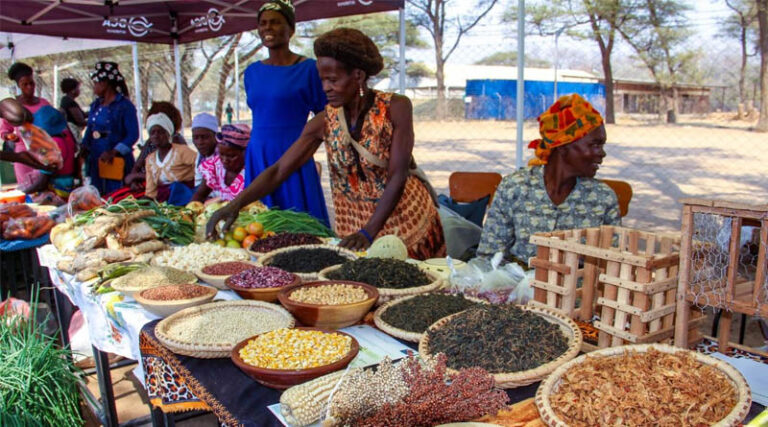
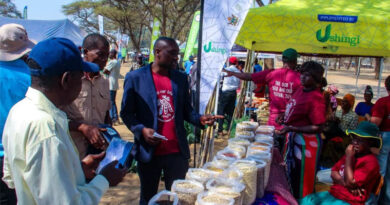
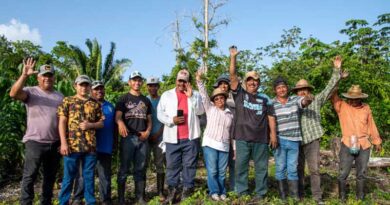
The Mbire Good Food and Seed Festival, held on 6-7 August 2026, was convened under the theme “It’s Our Life: Safeguarding Indigenous Seeds and Food Diversity,” by ZRBF II’s Ushingi Project and CIMMYT, together with other local partners. The festival aimed to celebrate indigenous and locally adapted seeds and foods, promote their production and consumption and create a space for knowledge exchange through seed displays, cooking demonstrations, tasting and recipe sharing. Farmers, women’s cooking groups, consumers, researchers, government departments, development partners, seed actors and private-sector exhibitors came together around this shared celebration. Over two days, the festival drew over 500 participants from 17 wards across the district. A rich diversity of indigenous, traditional and locally adapted crops, each associated with different traits and uses, was displayed, exchanged and sold, with over twenty varieties on show.
The festival made visible the many steps that connect seed to food. Seed and crop displays reflected the choices farmers make about what to plant, while the agricultural technologies on display highlighted what is needed to nurture crops through the season and bring them successfully to harvest. Alongside these displays, different cooking groups prepared a diversity of traditional dishes, sharing information and knowledge on the ingredients used, preparation methods, recipes and associated health benefits.
At the CIMMYT tent, locally available ingredients were transformed into different dishes, prompting Petronella Phiri, a farmer from ward 3, to remark, “The only cooking we know is boiling foods. We would love to have training on how to transform the crops we have into a variety of dishes.” Her comment highlighted both the value of the knowledge being shared and the opportunity to broaden how locally available crops are prepared and consumed. Together, these activities showed that the journey from seed to food depends not only on what is grown, but also on the knowledge and skills used to produce, process and prepare it. Much of this knowledge, particularly around selecting ingredients and preparing traditional dishes, has been developed through experience and passed from one generation to the next.
Yet the diversity seen in the dishes did not necessarily reflect an equally diverse range of crops being grown. Participants reflected on the loss of some landraces and increasing reliance on fewer crop types and species. While communities have adapted by becoming creative in transforming available crops into a variety of dishes, these reflections also pointed to concerns about declining diversity both across and within crop species. In Mbire, where annual rainfall averages 450-650 mm and one failed season can erase a harvest, a narrower crop base means fewer options against drought. For CIMMYT, whose work is grounded in crop diversity and safeguarding genetic resources, the message was especially fitting. Diversity carries choices from the past into the future, while knowledge and practice determine how those choices are translated into crops, food and livelihoods.
These interconnections reflect the thinking behind the CGIAR Science Program on Multifunctional Landscapes, working alongside DanChurchAid and Fambidzanai Permaculture Centre under the Ushingi project of the Zimbabwe Resilience Building Fund II (ZRBF II), and other partners. Rather than seeing a direct link between seed and food, the program understands that the relationship is the very foundation of culture. From choosing a seed to tending a crop, processing a harvest and preparing a meal, Mbire showed that good food is built through a chain of knowledge, practice and relationships carried across generations.
Global Agriculture is an independent international media platform covering agri-business, policy, technology, and sustainability. For editorial collaborations, thought leadership, and strategic communications, write to pr@global-agriculture.com