FAO Warns of Long Farm Recovery After Nepal’s Deadly August Floods
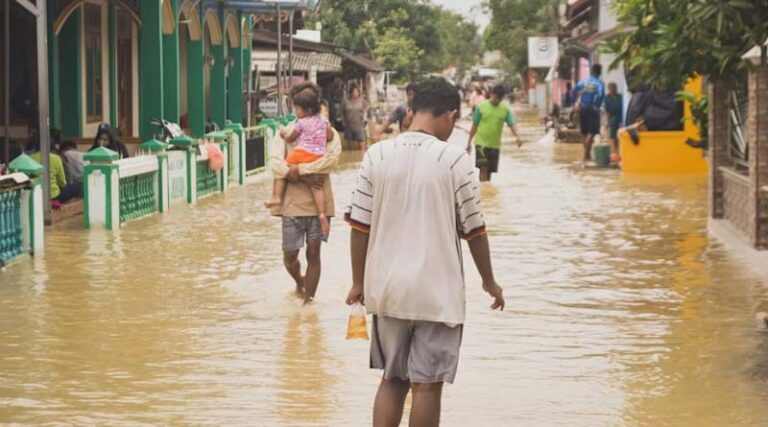
25 September 2026, Rome: The UN Food and Agriculture Organization has warned that farming communities across central Nepal face a prolonged recovery after flash floods and landslides on August 26 killed more than 1,000 people and devastated cropland and livestock across eleven municipalities along the Bhote Koshi and Trishuli river corridor, north of Kathmandu.
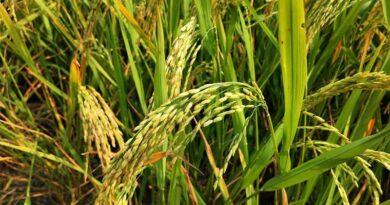
In a report published this month, FAO said the floods damaged roughly 1,800 hectares of farmland, most of it paddy fields nearing harvest, wiping out an estimated 7,700 tonnes of rice production. The affected municipalities were home to more than 350,000 head of cattle, buffalo, sheep and goats and around 1.6 million poultry birds before the disaster. FAO estimated that between 5 and 10 percent of that livestock and poultry population was lost, either swept away or killed by the flooding itself.
Thousands of people remain unaccounted for weeks after the disaster, according to the FAO report, underscoring the scale of an event that ranks among the deadliest flooding disasters to hit Nepal’s farming heartland in recent memory.
Losses extend beyond this year’s harvest
Beth Bechdol, FAO’s Deputy Director-General, said the damage would be felt well past the current growing season. “For farming families, these losses are about much more than the current harvest,” she said. “Losing a crop can mean losing next season’s production and next month’s income.” The remark points to a recurring problem in disaster-hit farming regions: seed stocks, draft animals and breeding livestock lost in a flood are often harder to replace than the physical crop loss itself, since replacing them requires cash income that farmers no longer have.
Nepal’s terrain compounds the challenge. The Bhote Koshi and Trishuli valleys are steep, narrow river corridors where farmland, roads and settlements are tightly packed onto limited flat ground. When rivers surge, as they did in late August after unusually intense monsoon rainfall combined with glacial and hill torrent runoff, there is little room for water to spread and dissipate before it hits farmland and villages. Similar geography has made this stretch of Nepal repeatedly vulnerable to flash flooding in recent years, though the scale of the August event has drawn particular concern from aid agencies.
FAO’s emergency response is focused on getting farmers seed, tools and livestock feed in time for Nepal’s next planting window, a race against the calendar in a country where a large share of rural households depend directly on their own harvest for food security. The agency has not yet detailed the full cost of its response plan.
Also Read: India Approves Pioxaniliprole, First Insecticide Active Ingredient Discovered in India
Global Agriculture is an independent international media platform covering agri-business, policy, technology, and sustainability. For editorial collaborations, thought leadership, and strategic communications, write to pr@global-agriculture.com