France Reverses Decade-Long Neonicotinoid Ban, Clearing Acetamiprid for Limited Farm Use
07 September 2026, Paris: France’s Constitutional Council has cleared the way for French farmers to use the neonicotinoid insecticide acetamiprid again, validating an emergency agricultural law that unwinds the core of a national ban that had made France the first country in the world to prohibit the chemical class back in 2018. The council’s decision, numbered 2026-914 DC and issued on August 14, 2026, allowed the bulk of the law to stand, and the text was subsequently promulgated and published in the Official Journal in mid-August.
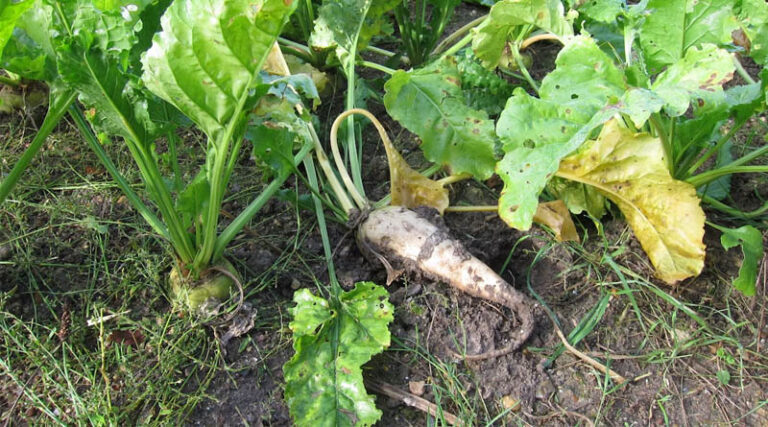
Acetamiprid remains an approved active substance across the rest of the European Union under the bloc’s pesticide regulation, and French sugar beet and hazelnut growers had long argued that France’s stricter national ban put them at a competitive disadvantage against farmers elsewhere in Europe who could still use it against aphid-borne virus in beet and destructive weevils in hazelnut orchards, pests for which they say no fully effective alternative treatment currently exists. The new law creates a narrow, conditional legal pathway for acetamiprid and a related neonicotinoid, flupyradifurone, to return to those specific crops rather than restoring blanket approval across all uses.
This is the second time French lawmakers have attempted this reversal. An earlier version, championed by Senator Laurent Duplomb and commonly referred to as the Duplomb law, passed in 2025, but the Constitutional Council struck down its acetamiprid provision that August, ruling the environmental safeguards attached to it were insufficient. Lawmakers regrouped and folded a revised reauthorization mechanism into a separate emergency bill on agricultural sovereignty and protection, which the National Assembly adopted on July 20, 2026, and the Senate passed a day later on July 21. This time, the council found that legislators had pursued a legitimate general interest, specifically preserving French agricultural production capacity, even while acknowledging in its ruling that both substances carry documented risks to pollinating insects, birds, and potentially human health.
Minister of Agriculture and Food Sovereignty Annie Genevard welcomed the outcome, saying she took note of the council’s decision and calling for what she described as a renewed surge of food patriotism among French consumers and policymakers. Environmental and bird conservation groups reacted with alarm. Allain Bougrain Dubourg, president of the Ligue pour la Protection des Oiseaux, France’s BirdLife International affiliate, described the vote as a disastrous outcome that was blind and deaf to the urgency facing wildlife. Beekeeping associations, which had campaigned for years to keep the 2018 ban in place, have likewise condemned the reversal.
The political fight is not over. The left-wing France Insoumise bloc, led by group president Mathilde Panot alongside figures including Manuel Bompard, Aurelie Trouve, and Jean-Luc Melenchon, has scheduled a bill for October 29, 2026, during its allotted parliamentary session time, that would attempt to repeal the reauthorization altogether. Given the makeup of the current Assembly, the outcome of that vote is far from certain, and further legal challenges from environmental groups are considered likely.
Global Agriculture is an independent international media platform covering agri-business, policy, technology, and sustainability. For editorial collaborations, thought leadership, and strategic communications, write to pr@global-agriculture.com