FAO Warns Strait of Hormuz Shipping Delays Could Disrupt Agricultural Inputs Worldwide
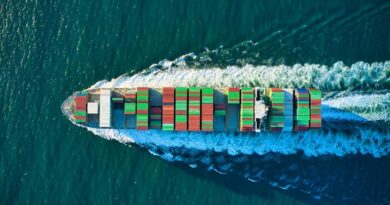
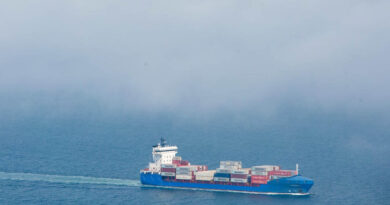
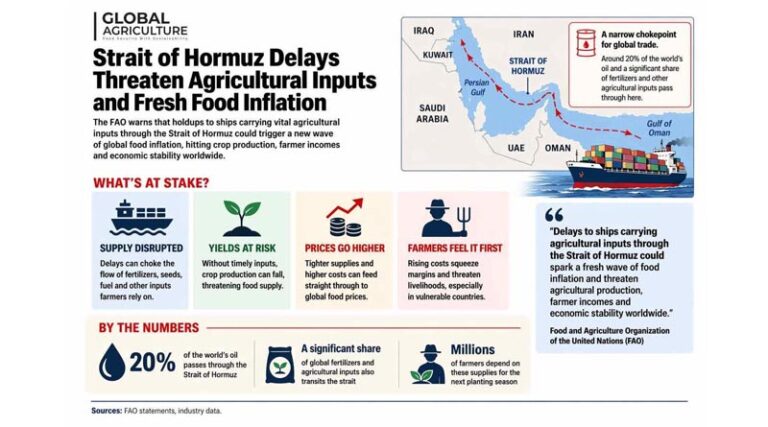
14 April 2026, Rome: The Food and Agriculture Organization of the United Nations (FAO) has issued a stark warning that delays to ships carrying vital agricultural inputs through the Strait of Hormuz could trigger a fresh wave of global food inflation, threatening crop production, farmer incomes, and economic stability worldwide.
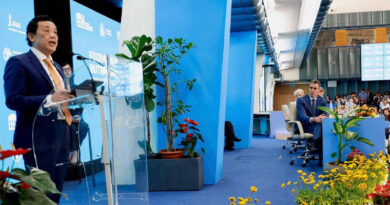
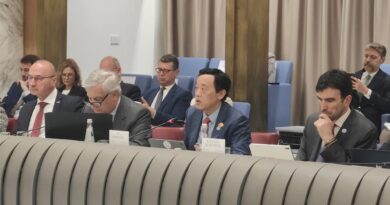
FAO Chief Economist Máximo Torero said urgent action is needed to keep fertilizer, fuel, and other critical supplies moving through one of the world’s most strategic shipping routes. Speaking in a newly released FAO podcast alongside David Laborde, Director of FAO’s Agrifood Economics Division, Torero cautioned that the world could face ripple effects similar to those seen during the COVID-19 pandemic if the disruption continues.
“The clock is ticking,” Torero said, stressing that poorer nations are most vulnerable as planting seasons advance and access to fertilizer and energy becomes more uncertain.
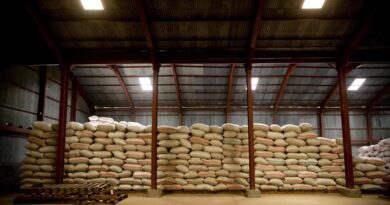
FAO noted that while the latest Food Price Index for March remained relatively stable due to ample cereal supplies, market pressure is expected to rise sharply in April and May. This is the period when farmers make key planting decisions, including whether to reduce fertilizer use, switch crops, or allocate more land to biofuel production in response to rising oil prices. Such shifts could tighten food supplies and increase prices later this year and into 2027.
David Laborde warned that the world is already facing an “input crisis” and must avoid turning it into a catastrophe. FAO also urged governments to refrain from imposing export restrictions on fertilizers or energy, as similar measures in past crises worsened global shortages and accelerated price spikes.
The agency emphasized that fertilizer and energy markets are highly sensitive, meaning even small disruptions in trade volumes can lead to sharp price increases. If vessels do not resume movement soon, markets could react rapidly.
FAO has called for contingency financing measures for countries at risk of losing access to fertilizer during critical planting windows. Proposed solutions include support through the International Monetary Fund’s balance-of-payments facilities and special financing windows that would help nations secure essential inputs without distorting markets through subsidy races.
According to FAO, between 20 and 45 percent of global trade in key agrifood inputs depends on sea passage through the Strait of Hormuz. If farmers are forced to produce with fewer inputs, lower yields and prolonged food inflation may follow, with the burden falling hardest on vulnerable countries and low-income consumers.
Torero underlined that unlike climate shocks such as El Niño, this crisis is one that governments can solve. He warned that if swift action is not taken, today’s risks—already greater than in 2022—could combine with weather disruptions to create a “perfect storm” for global food security.
Also Read: Isoxalanam: New Isoxazoline Insecticide Gets Provisional ISO Common Name Approval
Global Agriculture is an independent international media platform covering agri-business, policy, technology, and sustainability. For editorial collaborations, thought leadership, and strategic communications, write to pr@global-agriculture.com