Strait of Hormuz Crisis Could Trigger Global Food Inflation Within a Year, Warns FAO
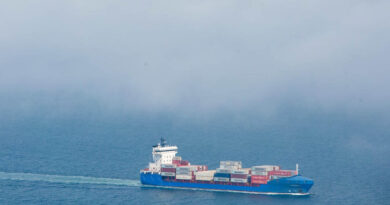
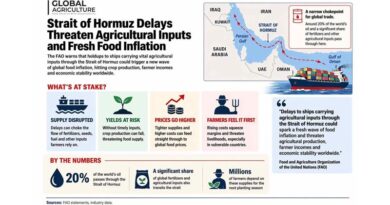
20 May 2026, New Delhi: The ongoing conflict and disruption around the Strait of Hormuz could evolve into a major global agrifood crisis within the next six to 12 months, unless governments and international institutions take urgent preventive action, according to the Food and Agriculture Organization of the United Nations (FAO).
In a warning issued on May 20, FAO said the situation is no longer just a temporary shipping disruption, but a growing systemic shock capable of pushing up fertilizer, energy, seed and food prices worldwide. The agency stressed that countries must immediately strengthen supply chain resilience, secure alternative trade routes and avoid policy decisions that could deepen the crisis.
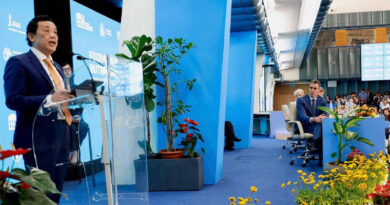
FAO Chief Economist Máximo Torero said countries need to urgently improve their “absorption capacity” and resilience to minimize the impact of the crisis. He emphasized the need for coordinated intervention from governments, international financial institutions, the private sector, UN agencies and research organizations.
According to FAO, the impact of the conflict is already beginning to appear in global markets. The FAO Food Price Index increased for the third consecutive month in April, driven largely by rising energy costs and disruptions linked to tensions in the Middle East.
The agency explained that the crisis is unfolding in multiple stages — beginning with higher energy and fertilizer prices, followed by increased production costs, lower crop yields, commodity price spikes and eventually food inflation.
FAO’s Agrifood Economics Division Director David Laborde said countries may need to rely on alternative transport corridors through the eastern Arabian Peninsula, western Saudi Arabia and the Red Sea. However, he cautioned that these routes have limited capacity and cannot fully compensate for disruptions through the Strait of Hormuz.
The organization also warned that the anticipated onset of El Niño conditions could worsen the situation by causing droughts and disrupting rainfall patterns in several agricultural regions across the world.
FAO’s Immediate Recommendations
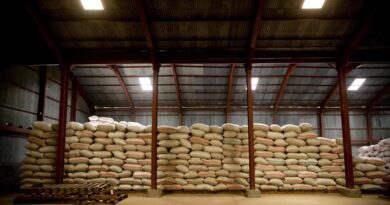
FAO urged governments to rapidly establish alternative land and sea trade corridors, while avoiding export restrictions on energy, fertilizers and agricultural inputs. It also called for exemptions for humanitarian food shipments and encouraged emergency adoption of intercropping systems, particularly cereals combined with legumes, to reduce dependence on nitrogen fertilizers.
The agency further recommended targeted social protection measures instead of blanket subsidies, arguing that direct assistance to vulnerable farmers and rural households would be more effective and fiscally sustainable.
Medium- and Long-Term Measures
For the medium term, FAO advised countries to avoid policies that increase biofuel demand during shortages, as this could intensify competition between food and fuel markets. The organization also called for emergency credit support for farmers, agribusinesses and small value-chain enterprises, along with faster financing mechanisms for food- and fertilizer-importing nations.
In the long run, FAO stressed the need to diversify ports, logistics corridors and storage infrastructure to reduce dependence on major trade chokepoints. It also advocated investment in solar-powered irrigation, precision agriculture, electrified farm machinery, fertilizer efficiency technologies and stronger early warning systems to improve resilience against future disruptions.
Also Read: Insecticides (India) Limited Launches New Paddy Insecticide ‘Granuvia’
Global Agriculture is an independent international media platform covering agri-business, policy, technology, and sustainability. For editorial collaborations, thought leadership, and strategic communications, write