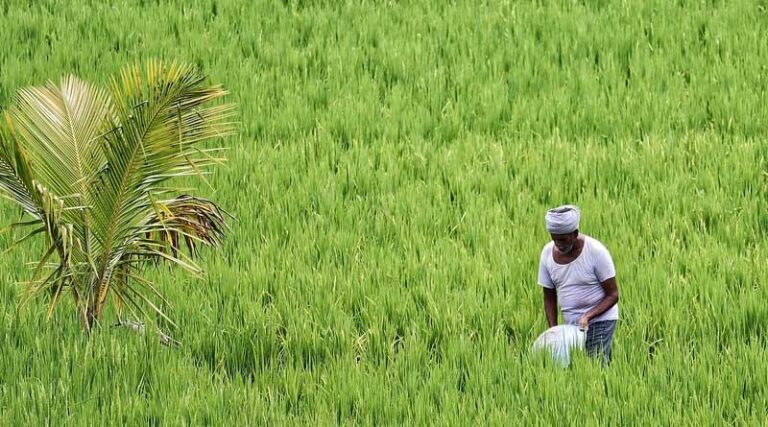
5% Rainfall Variation Linked to 810 Farmer Suicides Annually Across Five Indian States: 2023 IIED Study
Research examining drought-prone regions found farmer suicides increased during rainfall-deficit years, highlighting climate-related agrarian distress
27 May 2026, New Delhi: A 2023 study by the International Institute for Environment and Development (IIED) found a strong relationship between below-average rainfall and rising farmer suicides across five Indian states, pointing to the growing impact of climate stress on rural livelihoods and agricultural stability.
The research analysed rainfall patterns and farmer suicide data between 2014-15 and 2020-21 in Chhattisgarh, Karnataka, Madhya Pradesh, Maharashtra and Telangana — states that have consistently reported high levels of agrarian distress. According to the study, in years when rainfall variation from normal levels was around 5%, the average annual number of farmer suicides stood at nearly 810 cases.
Using regression modelling, researchers estimated that when rainfall deficits widened to 25%, annual farmer suicides could rise to nearly 1,188 individuals.
Rainfall Deficit and Agrarian Distress
The study observed that rainfall-deficit years were consistently associated with higher suicide incidents among farmers. Researchers used Pearson’s correlation coefficient to assess the relationship between rainfall variation and suicide data across the five states.
The coefficients remained negative across all regions studied — Chhattisgarh (-0.409), Karnataka (-0.665), Madhya Pradesh (-0.439), Maharashtra (-0.524) and Telangana (-0.892). According to the researchers, these findings indicate that suicide cases tend to rise during drought years and decline when rainfall conditions improve.
India’s agriculture sector remains heavily dependent on monsoon rainfall, particularly in rainfed regions where farmers have limited irrigation access and high exposure to climatic shocks. Erratic rainfall, prolonged dry spells and drought conditions can directly affect crop yields, farm income and repayment capacity.
The study noted that climate change has increased both the frequency and geographical spread of drought conditions in India over recent decades. UN estimates cited in the report suggested climate impacts reduced India’s GDP by between 2% and 5% from 1998 to 2017.
Farmers Facing Multiple Economic Risks
Ritu Bharadwaj said climate change is intensifying financial uncertainty for farming households already dealing with production and market risks.
“Climate chaos has already arrived and many countries are feeling its impacts in new ways and at higher intensity than they are equipped to handle,” Bharadwaj said.
“With their incomes heavily dependent on climate, farmers are on the frontline of this crisis. Climate change is making agriculture an extremely risky, potentially dangerous and loss-making endeavour for farmers, and it’s increasing their risk of suicide.”
The report also pointed to other factors contributing to farmer distress, including dependence on cash crops such as cotton, fluctuating market prices, debt burdens, low savings and limited awareness of social protection schemes.
Researchers noted that poor literacy levels and weak institutional access in many rural areas often make it difficult for vulnerable farmers to benefit from government welfare programmes during periods of crisis.
MGNREGS Employment Linked to Lower Suicide Rates
The IIED analysis also examined the relationship between farmer suicides and employment generated under the Mahatma Gandhi National Rural Employment Guarantee Scheme (MGNREGS).
Data from the five states showed a negative correlation between MGNREGS employment and suicide cases. Researchers estimated that when annual workdays generated under the scheme increased from 50 million to 150 million, farmer suicides declined from nearly 1,800 cases to around 398 cases annually.
Correlation coefficients for MGNREGS employment and suicide rates were negative across all states studied — Chhattisgarh (-0.830), Karnataka (-0.677), Madhya Pradesh (-0.688), Maharashtra (-0.691) and Telangana (-0.892).
The findings suggest that wage employment programmes can provide an economic safety net during climatic and financial shocks by supporting rural incomes and reducing vulnerability.
Need for Broader Climate and Social Protection Policies
The study recommended strengthening social protection systems, improving access to rural employment schemes and expanding crop insurance coverage to help farmers cope with climate-related risks.
Researchers also highlighted the importance of forward pricing mechanisms for agricultural commodities so farmers can better anticipate market returns before taking crop loans or investing in inputs.
In addition, the report stressed the need to improve access to mental health services in rural India, where counselling and psychiatric support remain limited despite increasing economic stress in farming communities.
Also Read: China’s Fertilizer Trade Sees Strong Export Growth in Jan–April 2026, Potash Imports Remain Critical
Global Agriculture is an independent international media platform covering agri-business, policy, technology, and sustainability. For editorial collaborations, thought leadership, and strategic communications, write to pr@global-agriculture.com