30 May 2026, New Delhi: India has established a national seed reserve of 1.74 lakh quintals as part of its preparedness strategy for the Kharif 2026 season, aiming to ensure farmers have access to seeds in the event of weather-related disruptions such as delayed monsoon rains, prolonged dry spells, or the need for resowing.
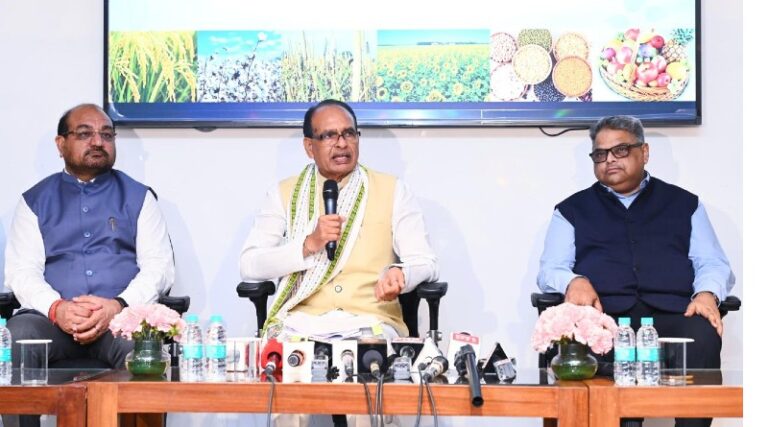
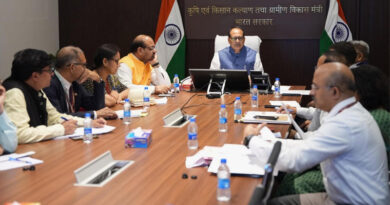
The announcement was made by Union Agriculture Minister Shivraj Singh Chouhan during a press conference held alongside the National Kharif Agriculture Conference in New Delhi. The conference brought together agriculture ministers from states, senior government officials, scientists, agricultural universities, Krishi Vigyan Kendras (KVKs), and representatives from the wider agricultural sector to review preparations for the upcoming cropping season.
According to the minister, the availability of quality seeds remains a key factor in ensuring a successful Kharif season. He said the country requires approximately 173 lakh quintals of seeds for Kharif 2026, while around 192 lakh quintals are currently available, representing an availability margin of about 11 percent above estimated demand. Seed allocations to states have already been completed, and emphasis has been placed on timely lifting and distribution to ensure seeds reach farmers before sowing operations begin.
To further strengthen preparedness against climatic uncertainties, the government has created a national seed reserve of 1.74 lakh quintals. The reserve is intended to serve as a contingency mechanism in situations where adverse weather conditions affect sowing schedules or crop establishment. The minister said advance arrangements have been made so that farmers do not face shortages if resowing becomes necessary in any region.
The seed reserve forms part of a broader strategy to improve agricultural resilience as weather variability continues to influence crop production across different agro-climatic regions. Delayed rainfall, uneven monsoon distribution and extended dry periods can often force farmers to alter sowing plans or undertake additional planting operations, increasing both costs and risks.
During the conference, the government also reviewed other critical aspects of Kharif preparedness, including fertiliser availability, crop insurance, agricultural credit, natural farming initiatives and state-specific agricultural planning. The minister said coordinated efforts between national and state-level institutions are aimed at ensuring that the Kharif season is managed through advance planning rather than reactive measures.
In addition to seed availability, discussions focused on strengthening access to agricultural credit, improving implementation of crop insurance schemes, expanding Farmer ID coverage and ensuring timely utilisation of agricultural development funds. Measures to improve quality control of agricultural inputs and address the issue of counterfeit pesticides were also reviewed.
The government also announced plans to prepare separate agricultural roadmaps for each state, taking into account local soil conditions, climate patterns, nutrient requirements, crop suitability and seed preferences. The objective is to promote more region-specific agricultural planning and improve productivity outcomes.
Natural farming and integrated farming systems were another area of focus during the conference. According to the ministry, nearly 20 lakh farmers have registered under natural farming initiatives covering close to 8 lakh hectares of land. Officials believe that integrated farming models could provide additional income opportunities, particularly for small and marginal farmers.
As part of its outreach efforts, the government will also conduct a month-long “Khet Bachao Abhiyan” from June 1 to June 30. The campaign will involve agricultural officials and extension teams visiting villages to raise awareness about balanced fertiliser use, Soil Health Card recommendations, natural farming practices and government support programmes.
The establishment of the national seed reserve is expected to play an important role in safeguarding Kharif crop establishment in the event of weather disruptions, while complementing broader efforts aimed at improving preparedness, resilience and farmer support systems across the country.
Global Agriculture is an independent international media platform covering agri-business, policy, technology, and sustainability. For editorial collaborations, thought leadership, and strategic communications, write to pr@global-agriculture.com