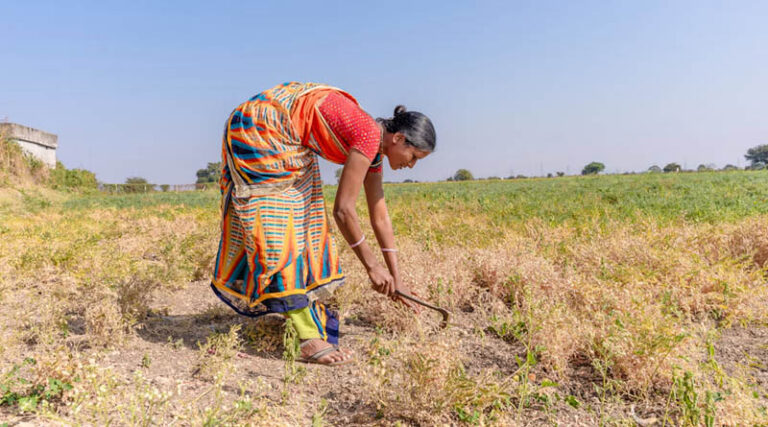
Maharashtra Drought Deepens, Statewide Water Cuts Begin October 16
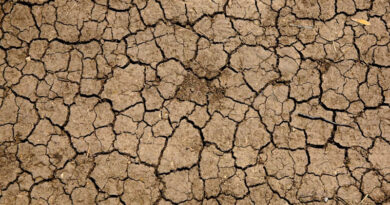
07 October 2026, Latur: Maharashtra has declared roughly three out of every four of its 358 talukas drought affected after its weakest monsoon since 2015, and the state government has ordered a mandatory 10 percent cut in household, industrial and irrigation water supply starting October 16, as failed kharif crops push the rain dependent Marathwada belt deeper into distress.
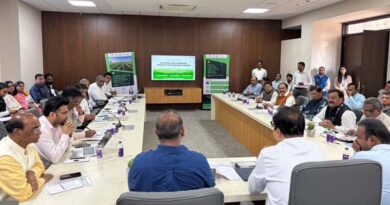
State authorities confirmed in late September that 265 of 358 talukas now carry a drought designation. According to figures reported this week, the June to September monsoon delivered rainfall 12.6 percent below the long period average, the largest shortfall the state has recorded since 2015. Water Resources Minister Girish Mahajan said his department has prepared a reservoir wise and use wise water management plan running through August 31, 2027, with drinking water given top priority over irrigation and industrial use. Officials have not ruled out deeper cuts if reservoir levels keep falling through the winter.
Soybean Crop Wiped Out Across Marathwada
The damage is concentrated in Latur, Beed and Dharashiv, three districts covering about 25,400 square kilometres, roughly 8.2 percent of Maharashtra’s land area, where deep black soil normally supports cotton, soybean, pigeon pea and sorghum. This year the monsoon arrived seven to ten days late and June rainfall came in at only 65 percent of normal. Soybean, the dominant rain fed crop in the region precisely because it needs comparatively little water and labour, has by farmers’ own accounts been destroyed outright in large stretches of these three districts.
Latur district collector Dr Bharat Bastewad has been blunt about the outlook, saying conditions would be difficult again in 2027 and that the administration has to keep water in reserve rather than release it freely now. Farmers interviewed in the region describe being forced into distress sales of cattle at depressed prices, and some expect family members will migrate to cities for work by January or February if the rabi season also disappoints. Adding to the frustration, compensation promised after last year’s flood damage in parts of the state has still not fully reached affected households, even as a fresh crisis unfolds.
The state had already moved before this week’s water order, announcing a relief package of roughly Rs 6,700 to 7,000 crore in late September that combines rural employment funding with farm loan restructuring. Farmers and opposition politicians have characterised the package as a stop gap that does not match the scale of crop loss on the ground.
Economic Stakes Extend Beyond the Farm
Maharashtra generates close to 14 percent of India’s economic output, and reporting this week flagged water linked risk to major industrial employers including Reliance Industries, the Tata Group and Mahindra & Mahindra, as well as to Mumbai’s financial sector, which draws on the same stressed reservoir system. State level food inflation has now risen for seven consecutive months, a trend officials link directly to the shrinking kharif harvest.
For companies selling seed, fertilizer and crop protection products into Maharashtra, one of India’s largest input consuming states, the drought points to a weak rabi sowing season ahead in rain fed talukas and a drop in replacement demand for kharif inputs that were applied to crops that then failed outright. Distributors serving Marathwada and the wider Vidarbha and north Maharashtra belts should expect slower collections and longer credit cycles as farm incomes contract, alongside renewed state interest in drip and micro irrigation subsidies and in drought tolerant seed varieties as a hedge against repeat El Nino years. Input suppliers with exposure to oilseed and pulses demand in these districts are likely to see the most immediate impact on volumes this rabi season.
Global Agriculture is an independent international media platform covering agri-business, policy, technology, and sustainability. For editorial collaborations, thought leadership, and strategic communications, write to pr@global-agriculture.com