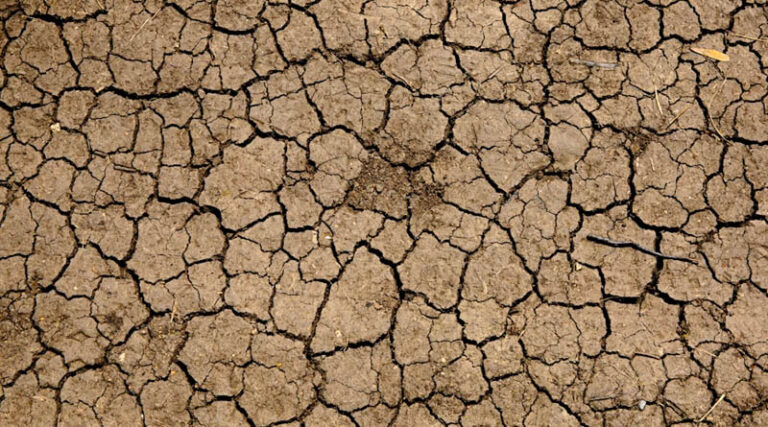
07 October 2026, Mumbai: India’s weather office confirmed on October 3 that the southwest monsoon had withdrawn from Mumbai and the rest of Maharashtra roughly five days ahead of its normal date, closing out a season that leaves 265 of the state’s 358 talukas officially classified as drought-affected and puts soybean, cotton, onion and sugarcane output at risk across one of India’s most agriculturally significant states. The early withdrawal, the second-earliest on record for Mumbai in 25 years, followed a state government drought declaration issued on September 25 covering roughly three-quarters of Maharashtra’s agricultural land.
The India Meteorological Department’s confirmation showed Maharashtra ending the season with rainfall roughly 19 percent below normal across its five administrative regions, with the Marathwada region, among the state’s most drought-prone, recording a deficit of around 40 percent. Yavatmal recorded the highest number of drought-hit talukas at sixteen, followed by Jalgaon with fifteen, and Nanded, Amravati and Nagpur with fourteen each. State officials have directed district collectors to complete field surveys, prepare damage assessments known as panchnamas, and document crop losses with photographs and GPS-tagged records as the basis for compensation decisions.
Maharashtra’s revenue department has begun those assessments, and the state government has announced an initial package of relief measures including restructuring of crop loans, concessions on agricultural electricity bills, and expanded work under the rural employment guarantee scheme. Opposition leader Uddhav Thackeray, of the Shiv Sena (Uddhav Balasaheb Thackeray) faction, has gone further, warning publicly that the state faces what he described as a severe drought spell lasting nine to ten months, a claim that underscores how politically charged the response has become even as the formal damage assessment is still under way.
Production Risk Extends Well Beyond Maharashtra’s Borders
Maharashtra accounts for roughly a quarter of India’s cotton output and around a third of its sugarcane production, alongside a substantial share of the country’s soybean and onion crops, so a drought affecting three-quarters of its agricultural land carries implications for national supply rather than a single region. Agricultural economists quoted in Indian trade press have cautioned that the clearest price effects will likely show up two to three months after harvest, once the scale of the shortfall becomes apparent in mandis, rather than immediately. Commodity analysts have separately urged the government to begin contingency planning now, including early assessments of likely shortages, advance planning for imports of pulses and other affected commodities, and preparation of alternative, less water-intensive seed varieties for farmers facing repeat failures.
Onion supply is seen as particularly exposed given Maharashtra’s outsized share of national production and the crop’s limited storage life, while sugar and ethanol output both face pressure from reduced sugarcane availability. India’s cotton import policy already anticipates the shortfall, with industry estimates suggesting imports could exceed seven million bales in the 2026-27 season, and the window for duty-free pulses imports has been kept open through March 2027 in anticipation of reduced domestic output.
Global Agriculture is an independent international media platform covering agri-business, policy, technology, and sustainability. For editorial collaborations, thought leadership, and strategic communications, write to pr@global-agriculture.com