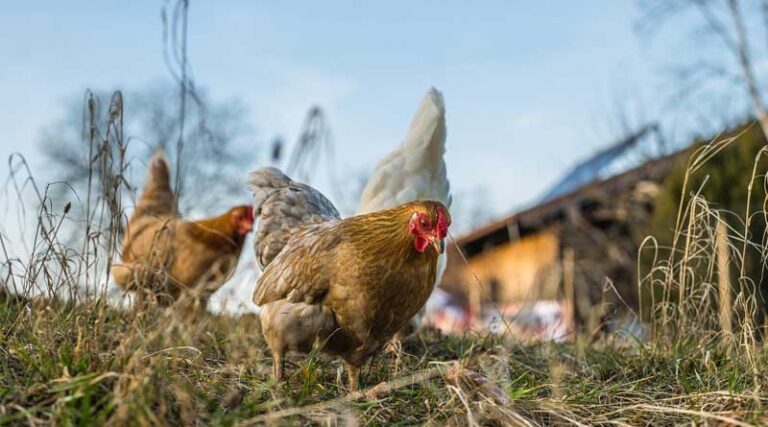
13November 2026, Kameoka, JP: Japan’s agriculture ministry confirmed the country’s first highly pathogenic avian influenza outbreak of the 2026-27 season on Thursday, at an egg farm in Kameoka City in Kyoto Prefecture, triggering the cull of roughly 200,000 laying hens.
The farm alerted the Nantan Livestock Hygiene Center after staff noticed a rise in chicken deaths. A preliminary test came back positive on Wednesday, and genetic testing confirmed the infection the following day, according to the Kyoto prefectural government. The Ministry of Agriculture, Forestry and Fisheries said all poultry at the farm will be destroyed.
Kyoto Governor Takatoshi Nishiwaki’s office imposed a transport and movement ban covering roughly 300,000 chickens at seven farms within 10 kilometers of the site, the standard containment radius under Japan’s avian influenza protocol. Chief Cabinet Secretary Minoru Kihara said the government was asking poultry farmers nationwide to tighten hygiene measures in response. Agriculture Minister Arata Takebe said an outbreak “was possible anywhere in Japan” and called on farms to carry out early detection, prompt notification and thorough hygiene management.
Egg Market Already Under Strain
The outbreak lands at a sensitive moment for Japan’s egg supply. The agriculture ministry’s own survey found the average price of a 10-pack of eggs in October was 312 yen, the highest level since the ministry began the survey in August 2003. Japan’s bird flu season typically runs from autumn through the following spring, and this is the first confirmed poultry-farm case of that window, though wild bird surveillance had already picked up warning signs before Thursday’s confirmation.
The disease pressure is not confined to Japan. In Germany’s Brandenburg state, authorities confirmed highly pathogenic avian influenza at a small holding of about 160 ducks, geese and chickens in the Havelland district on November 10, ordering the birds culled. That case followed an earlier detection of the virus in a wild goose in Brandenburg’s Oder-Spree district. Germany’s national reference laboratory, the Friedrich Loeffler Institute, said the risk of further spread among wild birds remains high as the autumn migration continues through the region.
Global Agriculture is an independent international media platform covering agri-business, policy, technology, and sustainability. For editorial collaborations, thought leadership, and strategic communications, write to pr@global-agriculture.com