26 November 2026, UK: As we approach the end of the year, it’s been another challenging and busy season. I think it’s fair to say crop quality and maturity is mixed, after periods of difficult growing and challenging pest issues.
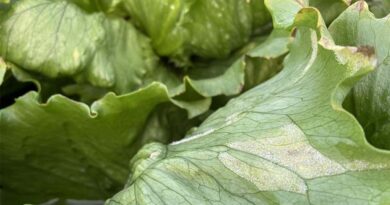
Furthermore, recent weather patterns of mild temperatures and frequent showers have been ideal for foliar disease development in all brassica crops – with potential limits to reaching optimum yield and leaf quality.
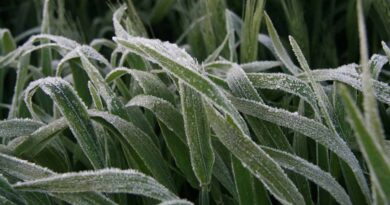
Once we have average temperatures consistently below 10°C risk of ringspot will decline, but until then it’s important to protect crops with regular fungicide applications. But with changing climate, the beneficial prolonged cold periods to slow or stop disease are increasingly short-lived.
Any initial ringspot infection left uncontrolled can continue to develop slowly over the winter, to give rise to spots in the spring. Growers further north and to the west have the added risk of light leaf spot which is active at much lower temperatures.
AMISTAR® Top remains a strong option for ringspot control and positions well late in the strategy for protection of Brussels sprout and cabbage.
Trial data continues to show AMISTAR® Top offers excellent control and, with the combination of difenoconazole and azoxystrobin, gives broad spectrum disease control along with the benefits of strobilurins.
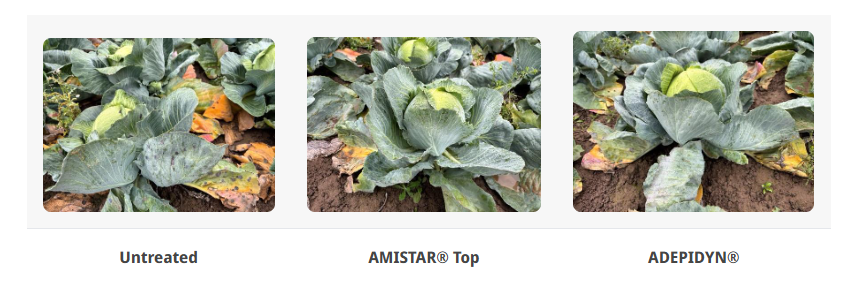
Brassica plots on the Lincolnshire Syngenta Demonstration site in October, which hadn’t been sprayed since late September, showed disease development this autumn in the untreated, along with the strengths of the fungicide strategy.
The results were highly impressive with the new ADEPIDYN® technology, ready for a range of crops including brassicas next season. ADEPIDYN® is very effective against a range of diseases and delivers a long period of protection.
Application advice
Protecting brassicas at the end of the season poses two key challenges – getting the timing right with limited spraying opportunities, and targeting leaf and buttons through large and dense plant foliage.
Firstly with timing, I’d always recommend people to download the Syngenta Spray Assist App that gives valuable guidance on weather conditions and forecasts specifically for crop spraying and nozzle choice. There’s a lot more detailed information covering crop management and agronomy, which is well worth investigating too.
When it comes to practical application, the results and recommendations for vegetable crop spraying are available here. The aim is to use sufficient water volume and droplet spectrum to achieve good distribution through the canopy, but also retain the maximum spray on the leaf target.
In summary, the recommendations for later season applications are:
Global Agriculture is an independent international media platform covering agri-business, policy, technology, and sustainability. For editorial collaborations, thought leadership, and strategic communications, write to pr@global-agriculture.com