24 November 2026, Brasília, BR: Brazil’s farm sector is bracing for a volatile stretch of storms, hail and heat as a strengthening El Nino pattern collides with the country’s spring planting season, according to the Confederacao da Agricultura e Pecuaria do Brasil, the national farm lobby known as CNA, and the government’s National Institute of Meteorology, known as Inmet.
The U.S. Climate Prediction Center’s Nino 3.4 index, cited by CNA in its weekly bulletin, stood at 2.2 degrees Celsius above average on November 16, with CNA putting the odds of a strong to very strong El Nino persisting through March 2027 at more than 79 percent. El Nino years typically bring heavier rainfall to southern Brazil and drier conditions to the country’s north, a pattern now playing out across this year’s soybean and corn planting window.
Storms bring hail and rain of up to 200 millimetres
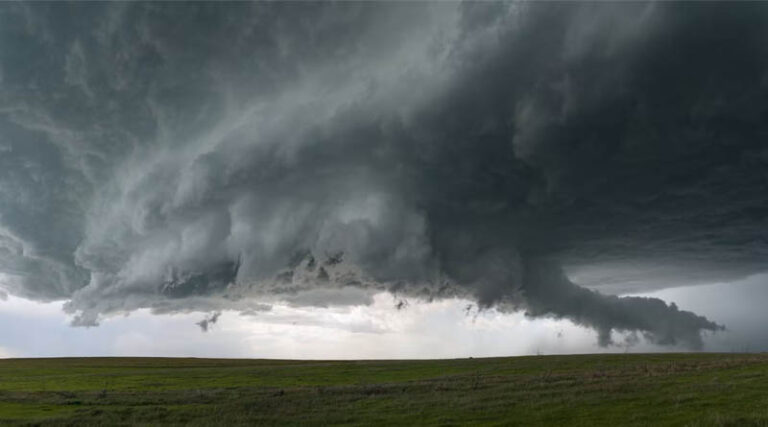
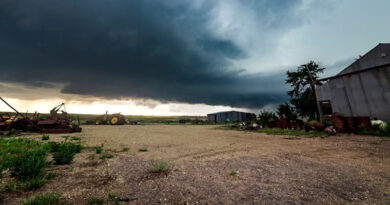
Inmet’s forecast, relayed in CNA’s bulletin, called for up to 200 millimetres of rain through November 23 across central and northern Goias, southern Tocantins and western Bahia, accompanied by severe thunderstorms and wind gusts reaching 100 kilometres an hour. CNA’s own forecast separately flagged a risk of storms with possible tornadoes, hail and microbursts in western and northern Rio Grande do Sul and the Serra Catarinense region of Santa Catarina, with rainfall there expected to reach 100 to 150 millimetres. A seven-day precipitation outlook from the government’s CPTEC weather centre, covering November 19 to 25, showed high odds of 50 millimetres or more of rain across Minas Gerais, Goias, Espirito Santo, southern Bahia, southwestern Mato Grosso do Sul and western Parana, with lower odds of significant rain in Rio Grande do Sul itself.
The hail has already left a mark on at least one crop category. Afubra, the association representing Brazil’s tobacco growers, logged 13,447 hail damage notices between October 31 and November 17, a tally CNA cited as evidence of how localised but intense the storm damage has been this spring. Minimum temperatures were forecast to begin falling from November 21, though no frost has been reported in the current outlook.
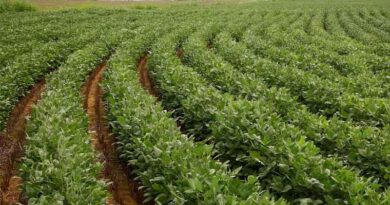
Despite the weather disruption, CNA’s bulletin said soybean and corn planting is continuing to advance nationally. Corn sowing is running ahead of the five-year average in most regions, even though excess rain has caused delays in Rio Grande do Sul specifically. Inmet’s monthly bulletin, covering October conditions and the outlook into January 2027, recorded more than 150 millimetres of rain across much of the south and parts of the southeast and centre-west during October, with Dionisio Cerqueira in Santa Catarina logging 581.6 millimetres and Laranjeiras do Sul in Parana recording 577.6 millimetres for the month. The same bulletin reported maximum average temperatures above 36 degrees Celsius in parts of Mato Grosso, Goias, Tocantins, Maranhao and Piaui during October, with Oeiras in Piaui reaching 40.4 degrees.
Inmet’s bulletin said soybean planting had been slow in southern Para and central-southern Tocantins because of dry soil, while sowing advanced significantly in Mato Grosso do Sul. In Parana, by contrast, excess rain narrowed the available planting windows for soybeans. Rice growers in Rio Grande do Sul also faced a reduced window for irrigated planting because of the wet conditions, while corn fieldwork across the south was hampered by the same excess moisture.
CNA’s bulletin also pointed to a lag in input purchases heading into the key growing months, citing S&P Global data showing that 30 to 40 percent of the nitrogen fertiliser needed for the second, or safrinha, corn crop had yet to be purchased by mid-November. Inmet’s seasonal outlook calls for above-average rainfall to continue across Mato Grosso do Sul and southern Mato Grosso and Goias in the coming weeks, while northern Mato Grosso and the Matopiba region, spanning Maranhao, Tocantins, Piaui and Bahia, are expected to see below-average rainfall over the same period.
Global Agriculture is an independent international media platform covering agri-business, policy, technology, and sustainability. For editorial collaborations, thought leadership, and strategic communications, write to pr@global-agriculture.com