Gene-Edited Wheat With Bigger Grains Clears Major UK Regulatory Hurdle
24 November 2026, Norwich, UK: The John Innes Centre in Norwich has filed paperwork with the UK’s environment department, Defra, confirming that a wheat line it edited using CRISPR gene-editing technology qualifies as a “precision bred organism” under UK law, a step that moves the grain toward farmer-led field trials across England.
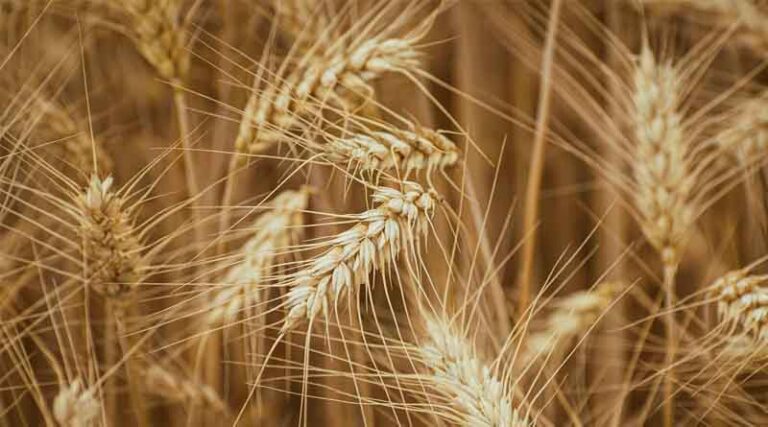
The filing, a precision breeding marketing notice carrying the reference PBM/26/02/TRAE/001, was published on 20 November 2026, according to the UK government’s precision breeding register. Trade outlet FarmingUK, which reported on the filing three days later, said the wheat line was bred to produce larger grains, with the goal of eventually raising yields.
Precision breeding is a category of crop development created by the UK’s Genetic Technology (Precision Breeding) Act 2023, which took effect in England in November 2025. It covers plants edited with tools such as CRISPR to introduce genetic changes that could, in principle, have arisen through natural breeding or mutation, as opposed to conventional genetic modification, which typically inserts genetic material from another species. Crops that qualify face a lighter regulatory path than conventional GM crops, provided a government advisory body, the Advisory Committee on Releases to the Environment, confirms the changes meet that bar. According to the filing, that committee reviewed the wheat line’s edits and Defra confirmed its precision bred status, along with a note that the centre’s own analysis found no unintended genetic changes elsewhere in the edited lines’ genomes.
Editing a grain-size gene
The edit targets a gene known as Short Vegetative Phase-A1, or SVP-A1, which is involved in plant flowering and, in wheat, has been linked to the development of the grain. Rather than inserting new genetic material, the John Innes Centre’s scientists used CRISPR-Cas9, a gene-editing tool that works like a precise set of molecular scissors to cut DNA at a chosen spot, to remove a short stretch of regulatory DNA that controls how active the gene is. Removing that segment recreates a naturally occurring genetic variation already found in a related wheat species, one associated with producing larger grains. The edited lines are built on the background of Fielder, a wheat variety widely used in cereal research because it is relatively easy to transform and regenerate in the laboratory.
Crucially, the filing does not yet claim a yield benefit has been demonstrated in commercial growing conditions. Defra’s published notice states plainly that only large-scale trials can establish whether the precision bred organism actually improves grain size, and in turn yield, once it leaves the research station and enters a working farm. The John Innes Centre grew the seed on its own field station in 2025, producing enough grain to support testing beyond small research plots, but the notice does not confirm whether on-farm trials have begun or say when results might be available.
Getting those field trials under way depends on a separate piece of UK farm-research infrastructure called the British On-Farm Innovation Network, or BOFIN, which recruits working farmers to host trials for new crop technologies under a Defra-funded research programme called PROBITY. BOFIN is also recruiting farmers to trial a precision bred barley line developed to improve feed efficiency in livestock, suggesting PROBITY is becoming a pipeline for multiple precision bred crops moving from laboratory to farm.
Confirming precision bred status under the 2023 Act is not the same as approving a crop for food or feed use. Before any grain from this wheat line could enter the food or feed supply, it would need separate authorisation from the UK’s Food Standards Agency. In the meantime, the John Innes Centre is also seeking permission to allow grain harvested during farmer-led trials to be legally handled and potentially used, rather than destroyed as a condition of the trial, which would let researchers capture more complete data on how the trait performs at scale.
The filing lands amid continuing debate in the UK over how readily farmers and buyers will accept gene-edited crops. A FarmingUK-linked survey found that 78 percent of farmers polled said they would consider growing gene-edited crops within five years, while 60 percent named buyer and market acceptance, rather than the technology itself, as the biggest barrier to adoption. That gap between farm-level interest and downstream market caution is likely to shape how quickly traits such as the SVP-A1 wheat line move from regulatory filing to seed bag, regardless of how the agronomic data ultimately turns out.
Also Read: ADAMA Shuts Brazil Plant as Pesticide Import Tariff Fight Grows
Global Agriculture is an independent international media platform covering agri-business, policy, technology, and sustainability. For editorial collaborations, thought leadership, and strategic communications, write to pr@global-agriculture.com