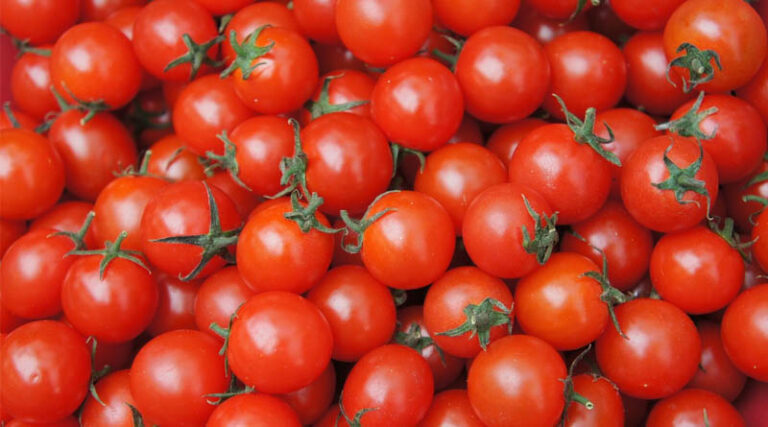
22 September 2026, England, UK: A tomato engineered to accumulate high levels of vitamin D has received a formal marketing notice from UK regulators, moving the fruit a significant step closer to British shelves under the country’s newer, lighter-touch rules for gene-edited crops. The notice, reference PBM/26/SOLY/001, was published on the government’s precision breeding register on 27 August 2026, and covers a tomato line developed by researchers at the John Innes Centre in Norwich, England.
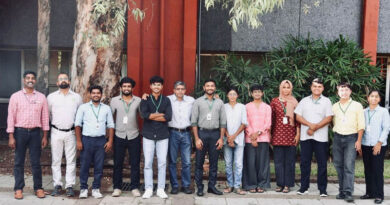
The tomato was created in the laboratory of Professor Cathie Martin, a group leader at the John Innes Centre, working with colleagues at the nearby Quadram Institute and international collaborators in Italy, Chile, Cuba and at the University of Glasgow. The underlying science was first published in 2022, but this year’s marketing notice is the first formal regulatory step allowing the crop to be grown and sold commercially in England, making it one of the highest-profile applications yet approved under the UK’s Precision Breeding Act.
That law, which took effect after years of debate, treats gene-edited plants differently from conventional genetically modified organisms (GMOs) when the edits could, in principle, have arisen through natural mutation or traditional breeding and introduce no foreign DNA. Crops that qualify face a lighter approval process than GM crops, which remain subject to the UK’s stricter, EU-derived GMO rules. Supporters argue this distinction reflects the underlying biology; critics argue it blurs a line that took decades to establish. The tomato’s marketing notice is a concrete test of how that lighter pathway works in practice.
How the tomato was engineered
All plants, including tomatoes, naturally produce a compound called 7-dehydrocholesterol, or provitamin D3, as an intermediate step in a broader metabolic pathway that ends in defence-related molecules the plant uses to protect itself. Using CRISPR-Cas9 gene editing, Martin’s team switched off a single gene, known as Sl7-DR2, that normally converts provitamin D3 onward into those downstream defence compounds. With that conversion blocked, provitamin D3 instead builds up in the fruit and leaves.
Provitamin D3 on its own is not the active form of the vitamin. It needs exposure to ultraviolet B (UVB) light, the same wavelength found in strong sunlight, to convert into vitamin D3, or cholecalciferol, the form the human body actually uses. In practice, that means tomatoes from these plants need a period of UVB exposure, either from natural sunlight or an artificial UVB source, after harvest to activate the vitamin. Once converted, researchers found a single tomato can contain a dose of vitamin D roughly equivalent to two medium eggs or 28 grams of tuna, two of the more common dietary sources of the vitamin.
Martin said she is passionate about science that supports public health, and that with vitamin D deficiency such a widespread problem, the biofortified tomato could one day become a low-cost, simple, plant-based way to improve diets around the world. Vitamin D deficiency is common in countries with long winters, high indoor living rates or limited sun exposure, and existing solutions such as supplements or fortified foods do not reach everyone, particularly in lower-income settings.
Next steps before Sunshine tomatoes reach shelves
Commercially, the John Innes Centre team plans to cross the edited line with sweeter-tasting and visually distinctive striped tomato varieties, aiming to market the eventual product under the brand name Sunshine. Before any tomato reaches a UK supermarket, it will also need a separate approval from the Food Standards Agency, which assesses novel foods for human consumption safety, a process distinct from the precision breeding marketing notice already granted. That means the tomato remains at least one significant regulatory step away from sale, even with the notice in hand.
The approval matters well beyond one tomato variety because it demonstrates how the UK’s post-Brexit gene-editing framework functions for a food crop aimed directly at consumers, rather than for animal feed or industrial use. Regulators, plant breeders and investors in other countries are watching closely to see whether similar frameworks emerge elsewhere, since the classification of a gene-edited crop as distinct from a GMO significantly changes the time and cost required to bring it to market.
Global Agriculture is an independent international media platform covering agri-business, policy, technology, and sustainability. For editorial collaborations, thought leadership, and strategic communications, write to pr@global-agriculture.com