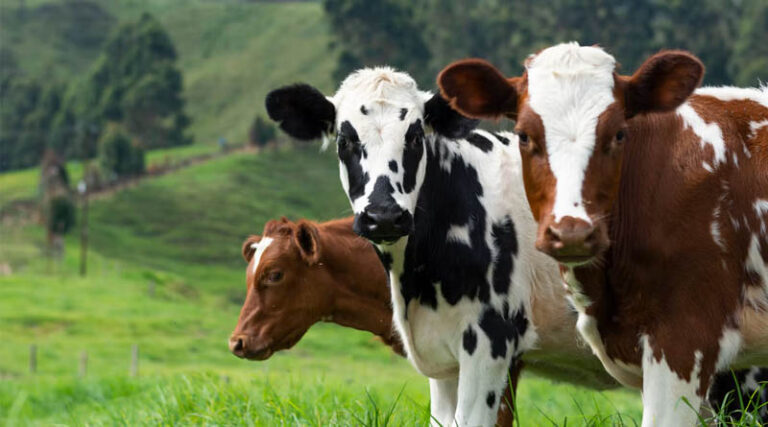
24 November 2026, Nogales, US: The U.S. Department of Agriculture’s Animal and Plant Health Inspection Service has scheduled the reopening of the Nogales, Arizona port of entry to imports of Mexican cattle on November 30, the next step in a phased reversal of border closures that have disrupted North American livestock trade since last year’s spread of New World screwworm through Mexico.
The Nogales reopening would be the fourth U.S. port of entry restored to Mexican cattle, bison and horse imports since the border closures began, following Douglas, Arizona, which reopened August 24, Santa Teresa, New Mexico, which reopened September 24, and Columbus, New Mexico, which resumed cattle imports on October 26 after being closed for nearly two years. APHIS says each reopening comes with tightened inspection and testing protocols for screwworm at the border, rather than a return to pre-outbreak procedures.
Screwworm spread forced a near-total halt to cattle imports
The restrictions stem from the northward spread of New World screwworm, a flesh-eating parasitic fly larva, through Mexican cattle herds and wildlife over the past two years. The outbreak prompted USDA to suspend imports of live cattle, bison and horses from Mexico entirely at one stage, cutting off a trade route that had carried roughly 1 million head of cattle into the United States annually before the outbreak, according to figures cited by U.S. border officials. Columbus and Santa Teresa together typically account for about a third of that volume, with the cross-border cattle trade through the area valued at roughly 1 billion dollars against a U.S. cattle industry APHIS and border officials put at about 113 billion dollars.
More than 60 screwworm cases have been confirmed in Texas and New Mexico since the parasite reached the U.S. side of the border, including the country’s first confirmed case in wildlife, an elk, detected in October. APHIS confirmed a separate New World screwworm detection in Arizona on October 28, the most recent addition to its public case log as of this month.
To contain the parasite, APHIS and its Mexican and Panamanian counterparts have expanded production of sterile male screwworm flies, which are released to mate with wild females and produce no offspring, gradually suppressing the population. A dispersal facility at Moore Air Force Base in Edinburg, Texas, built with 8.5 million dollars in federal funding, is releasing more than 80 million sterile flies a week. A renovated facility in Metapa, Mexico, which received 31 million dollars in upgrades and was inaugurated in late June, is expected to add roughly 100 million flies a week to that total. APHIS is also working with the U.S. Army Corps of Engineers on a new domestic production facility designed to produce up to 100 million sterile flies a week at initial capacity, rising to 300 million a week by late 2028.
Surveillance effort spans traps, drones and trail cameras
Agriculture Secretary Brooke Rollins has said USDA continues to lead what the department calls an aggressive national response to the outbreak. APHIS reports it is running more than 100 screwworm-specific traps alongside a broader network of more than 8,000 insect traps, and has flown more than 1,000 drone surveillance flights over Texas that have logged more than 20,000 animal observations. A network of more than 130 trail cameras has recorded close to 17,000 animal sightings as part of the effort to detect new infestations before they spread further north.
Separately, USDA’s New World Screwworm Grand Challenge has committed about 105 million dollars across 40 research projects aimed at improving detection, treatment and long-term control of the parasite. A further Arizona port of entry is expected to reopen in late November under the same phased approach, though APHIS has not said whether additional crossings beyond Nogales will follow before year end.
Global Agriculture is an independent international media platform covering agri-business, policy, technology, and sustainability. For editorial collaborations, thought leadership, and strategic communications, write to pr@global-agriculture.com