Headline: California Moves to List Atrazine as Carcinogen Under Prop 65
02 November 2026, Sacramento, US: California’s Office of Environmental Health Hazard Assessment (OEHHA) has issued a notice of intent to list
Read More

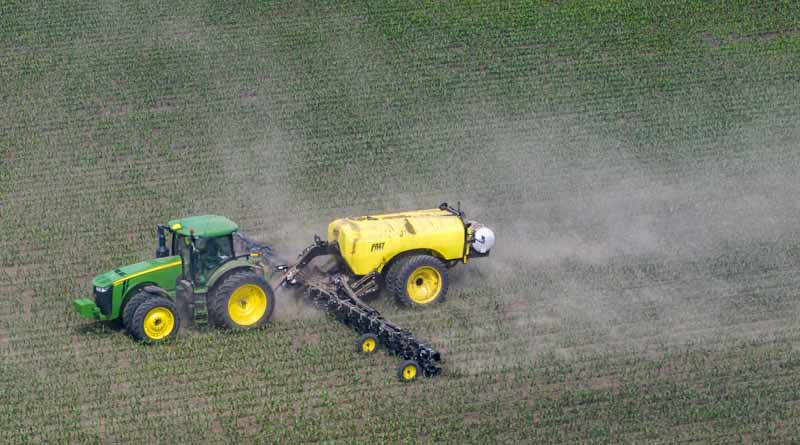
Atrazine is a selective, systemic herbicide belonging to the triazine chemical group, widely used for controlling annual broadleaf weeds and certain grass weeds in agricultural crops. It works by inhibiting photosynthesis in susceptible plants and is primarily used in maize, sorghum and sugarcane cultivation. Depending on national registrations, its applications may extend to other crops. In India, atrazine is registered for specified uses in maize and sugarcane, subject to crop-specific application requirements.
Atrazine is commonly applied as a pre-emergence herbicide or an early post-emergence treatment to manage weed competition during critical crop growth stages. However, its use has faced regulatory scrutiny over groundwater contamination, surface-water runoff, aquatic ecosystem exposure and potential human health risks. The European Union banned atrazine in 2004 after concerns about groundwater contamination and the inability to demonstrate that groundwater concentrations would remain below the prescribed limit. The herbicide continues to be permitted for specified agricultural applications in countries such as India and the United States, although regulatory reviews and restrictions remain important areas of debate.
This section covers the latest Atrazine news, including herbicide bans, pesticide restrictions, regulatory reviews, registrations, scientific research and developments in weed management. Coverage also follows atrazine residue monitoring, groundwater contamination, environmental risk assessments, herbicide resistance management and its role in maize and sugarcane production. Updates examine decisions by pesticide regulatory authorities, including India’s CIB&RC, the US EPA and international regulators.
02 November 2026, Sacramento, US: California’s Office of Environmental Health Hazard Assessment (OEHHA) has issued a notice of intent to list
Read More23 October 2026, Washington, D.C.: Nearly a quarter of rivers and streams across the continental United States contain the herbicide atrazine
Read More16 October 2026, Washington, D.C.: Three environmental and public health groups filed a federal lawsuit on October 14, 2026, against the US
Read More27 November 2025, New Delhi: A new international study has raised fresh concerns about three chemicals widely used in farming and lawn-care.
Read More27 November 2025, Lyon: The International Agency for Research on Cancer (IARC) has released its latest assessment on the carcinogenic risks associated
Read More26 November 2025, US: At Syngenta, the health and well-being of people always come first. Atrazine is one of the most extensively
Read More20 January 2025, New Delhi: Atrazine is a patented herbicide primarily used in agriculture to control broadleaf and grassy weeds in
Read More18 September 2024, New Delhi: India has extended its countervailing duty on import of ‘Atrazine Technical’ from China that is used in
Read More