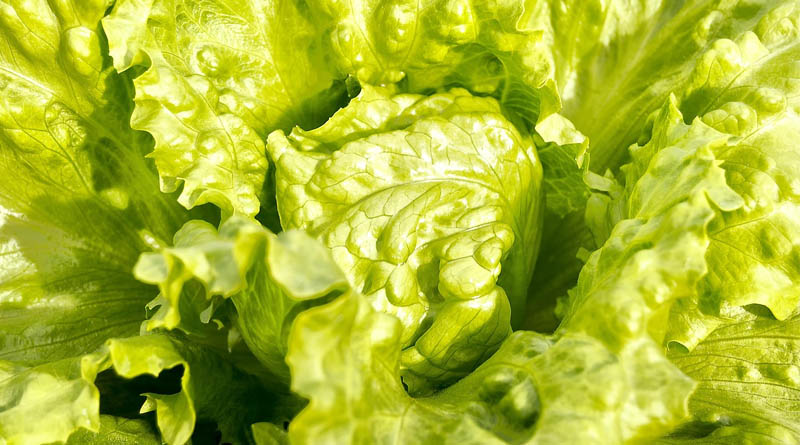
Norway’s Robot-Run Vertical Farm Triples Lettuce Shelf Life
05 October 2026, Norway: A fully automated indoor vertical farm near Gardermoen, Norway, just north of Oslo, is growing and packaging lettuce
Read More

Get the latest vertical farming news, research and developments covering indoor agriculture, controlled-environment farming, hydroponics, aeroponics and agricultural technology. Vertical farming involves growing crops in vertically stacked layers, often inside buildings or specially designed facilities where lighting, temperature, humidity, irrigation and nutrient delivery can be managed. The approach is used to produce leafy greens, herbs and other crops throughout the year, including in locations with limited agricultural land or challenging outdoor growing conditions.
Developments in this sector focus on energy-efficient LED lighting, automated nutrient management, climate-control systems, robotics, artificial intelligence and sensor-based crop monitoring. Hydroponic and aeroponic systems allow plants to grow without conventional soil, while data-driven controls help operators manage water use, nutrient delivery and growing conditions. Research is also examining crop selection, plant genetics, disease management and production efficiency. High electricity costs, capital investment, equipment maintenance and the economics of growing different crops remain important considerations for commercial operators.
Find updates on vertical farming companies, facility expansions, technology launches, research partnerships and investment trends. Coverage includes developments in urban food production, greenhouse integration, automation, renewable energy use and controlled-environment agriculture. New business models, research findings and commercial projects provide insight into the opportunities and challenges facing indoor farming, including its potential role in local food supply chains and year-round production.
05 October 2026, Norway: A fully automated indoor vertical farm near Gardermoen, Norway, just north of Oslo, is growing and packaging lettuce
Read More