Engineered For The Long Run
28 January 2026, Austria: Proper water management demands longevity. Cities, regions, and national authorities depend on systems that can operate reliably through not only climate extremes and infrastructure cycles, but also through decades of technological change. Data gaps are not an option when planning water allocation, flood protection, or long-term resource management.
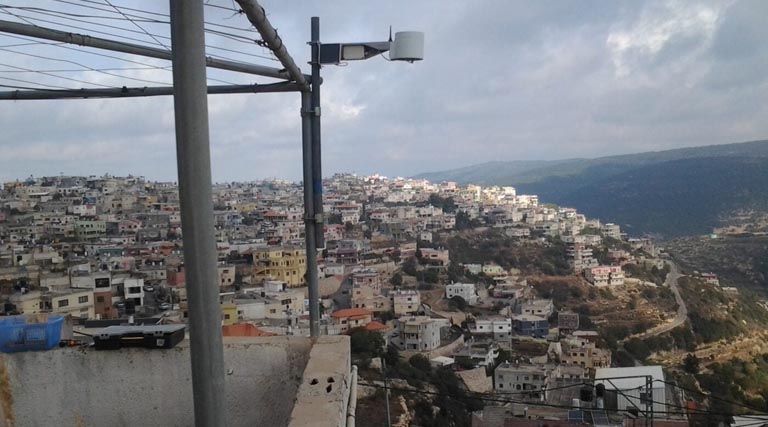
In 2007, Pessl Instruments deployed 30 METOS weather stations equipped with rain gauges as part of a national monitoring network for the National Water Authority in West Asia. The goal was clear: provide consistent, long-term rainfall and weather data across multiple locations to support regional water management and decision-making.
Nineteen years later, the result speaks for itself. Those stations are still working and sending data.
Designed To Stay Operational
Despite being installed nearly two decades ago, the stations continue to operate reliably in the field. They still collect rainfall data and transmit it to central systems used for monitoring and planning.
This kind of continuity is critical for public infrastructure. Historical data only has value if measurements remain consistent over time, using systems that do not require frequent replacement or constant intervention.
Technology That Outlasts Trends
Some of these stations are still transmitting data using early-generation communication modules, technology deployed long before today’s cellular IoT standards became mainstream. These systems were designed for a different purpose: long-term deployment in exposed environments, where reliability matters more than novelty.
Think about it. How many personal mobile phones have we replaced in the last 18 years?
Two? Five? Ten?
Meanwhile, these METOS stations have:
- Stayed in the field
- Withstood weather extremes
- Required minimal intervention
- Continued serving critical infrastructure
From National Infrastructure To Individual Decisions
When technology is deployed by public authorities and expected to operate for decades, there is no room for compromise. Systems must work consistently, year after year.
The same principles that keep national monitoring networks running also define what reliability means at a smaller scale. Whether the system supports a city, a region, or a single location, the requirement is the same. Dependable data you don’t have to worry about.
If long-term reliability is critical for your work (whether in agriculture, research, or local water management) investing in proven technology matters. Get in touch.
Also Read: ISARC Director Awarded with Uttar Pradesh’s Highest Civilian Award
Global Agriculture is an independent international media platform covering agri-business, policy, technology, and sustainability. For editorial collaborations, thought leadership, and strategic communications, write to pr@global-agriculture.com