From The Rangelands Of Africa To The Hills Of Nepal
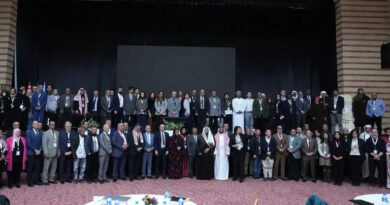
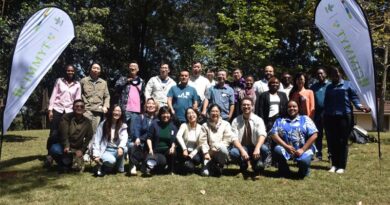
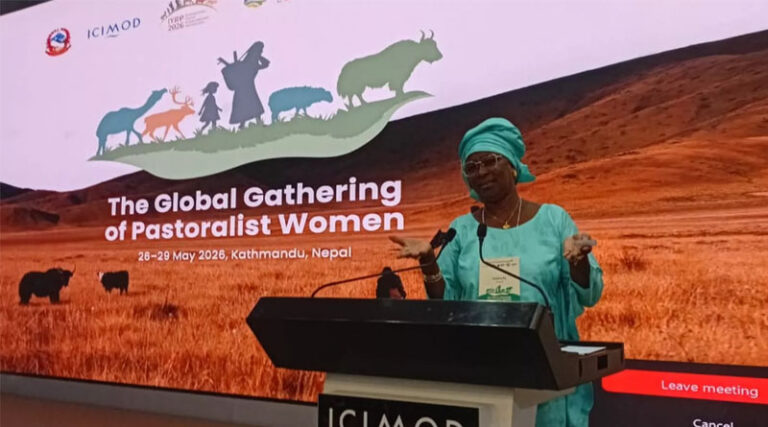
16 June 2026, Nepal: Adama and Pauline were part of close to one hundred pastoralist women from forty countries, covering Africa, Asia, Americas, Europe, and Oceania, who met from 26-29th May 2026 in Nepal’s capital for the Global Gathering of Women Pastoralists hosted by ICIMOD as part of the International Year of Rangelands and Pastoralists 2026. As rangelands champions, their mission was to articulate the rights and demands of pastoralist women worldwide. Collectively the women demonstrated that pastoralism is more than an occupation, but a way of life deeply connected to culture, identity, and the stewardship of the environment.
Experiences from Ferlo Region of Senegal
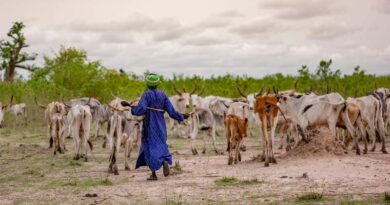
For Adama, a native of Senegal’s semi-arid Ferlo region, pastoralism has always been part of her daily existence. As a Fulani livestock keeper and dairy processor, she understands the challenges of living in a landscape where rainfall is scarce, and mobility essential for survival. Yet Kathmandu offered something unique: the chance to exchange ideas with women pastoralists from every corner of the world.
“This gathering allowed me to discover that, although our environments are different, women pastoralists across the world face many of the same challenges and share the same determination to protect our livelihoods and our way of life,” she said.
Listening to stories from women from Asia, Europe, Africa, and the Americas broadened her understanding of how pastoral communities adapt to changing climates and shifting land use patterns. The conversations extended beyond the conference halls, with participants forming lasting friendships and creating a global network that continues through regular exchanges and a shared online community. Adama also took pride in telling the world about the resilience of Senegal’s pastoral communities and the cultural values that sustain them. She spoke about seasonal transhumance, dairy production and traditional knowledge passed down through generations under the principles of ‘Pulaku’ an ethical and moral code of her Fulani people.
The Kathmandu gathering marked an important milestone during the International Year of Rangelands and Pastoralists 2026 and the International Year of the Woman Farmer 2026. It passed the Kathmandu Declaration, a landmark global agenda and call to action. The declaration serves as an updated, renewed blueprint building upon the original Mera Declaration of 2010, a 23-point charter that first established a global action plan for women herders. The conference noted that climate change, shrinking grazing lands, changing lifestyles and limited opportunities for women leaders threaten pastoral systems everywhere. Beyond the conference, it was a meeting of knowledge holders, innovators and leaders determined to shape a more just, resilient, and peaceful future. Their voices joined a growing global chorus of pastoralist women determined to ensure that their knowledge, leadership, and aspirations help shape the future of the planet.
“I wanted people to know that in Senegal, pastoralism is much more than an economic activity. It is our culture, our identity and a source of knowledge that has helped our communities adapt to difficult environments for generations,” she said.
Cultural values of the Maasai
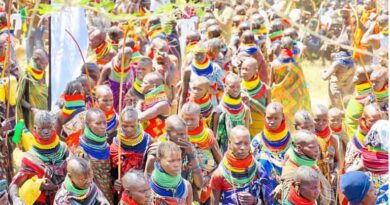
For Pauline Peter Ngurumwa, the journey to Kathmandu was equally personal. Born and raised in Kiteto to a Maasai livestock-keeping family in Tanzania’s Manyara Region, she has spent her life caring for cattle, goats, sheep, and other livestock. Presently, she works with an indigenous NGO – KINNAPA Development Programme a long local partner of ILRI. KINNAPPA supports pastoralist, farming, and hunter-gatherer communities. To Pauline, pastoralism and environmental conservation are inseparable. Healthy rangelands sustain livestock, livelihoods, and communities, making pastoralists among the world’s most important custodians of natural ecosystems. At the global gathering, she shared Africa’s experiences of communal rangeland management and joint village land use planning work with ILRI, approaches that have helped protect grazing lands and reduced conflicts between pastoralists and crop farmers. She also highlighted the importance of women having their own spaces to organize and advocate for land rights, leadership, and equality.
“I shared that when women pastoralists come together, they gain the collective strength to protect their rights, their cultures and the future of their communities,” Pauline said.
The discussions in Kathmandu reinforced her belief that pastoralist women deserve a stronger place in global conversations. For Pauline, one of the gathering’s greatest achievements was creating a sense of solidarity among women who may never have met otherwise.
“The forum showed me that women pastoralists across the world are united by common challenges and common hopes. By building global networks and supporting women leaders, we can ensure that pastoralism continues to thrive for future generations,” she said.
Also Read: Corteva Plans Exit from Spain Manufacturing Site, Raises Restructuring Cost
Global Agriculture is an independent international media platform covering agri-business, policy, technology, and sustainability. For editorial collaborations, thought leadership, and strategic communications, write to pr@global-agriculture.com