In many parts of the world, pastoralism is sometimes misunderstood as a livelihood system of the past, associated with hardship, isolation, and vulnerability. In April 2026, in Madrid, Spain, young pastoralists from across the globe gathered to reclaim their narrative and shape a new vision for the future of pastoral communities.
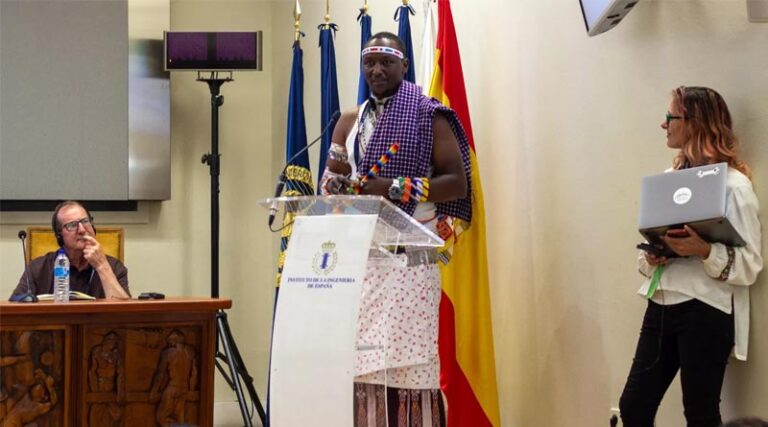
08 June 2026, Spain: The Global Gathering of Young Pastoralists, held from 9–11th May 2026 brought together representatives of young pastoralists, researchers, practitioners, and policymakers under a common purpose: to position pastoralism as a viable, climate-resilient livelihood system and strengthen youth participation in global policy and development conversations. As the world marks the International Year of Rangelands and Pastoralists 2026, the gathering was a space for recognition and solidarity with young pastoralists.
A major outcome of the gathering was adoption of the Madrid Declaration of Young Pastoralists, a collective statement outlining the priorities and aspirations of pastoralist youth worldwide. The declaration calls for meaningful youth representation in governance, protection of land rights and commons, investment in climate justice and ecological resilience, preservation of cultural heritage, and stronger support for youth livelihoods and entrepreneurship. Importantly, the declaration challenges governments, development organizations, and global institutions to recognize pastoralism as a modern socio-ecological system that offers solutions to some of today’s most pressing global challenges such as food security and environmental conservation. It also calls for greater visibility of pastoralist contributions through storytelling, data, and public awareness. Representing the Pastoralist Youth Alliance Africa, Jacob Lekaitogo described the gathering as a significant forum for young pastoralists who have long felt excluded from decisions affecting their lives.
“The forum was important because it created a rare global platform where pastoralist youth could speak for themselves, exchange experiences across regions, and directly contribute to shaping conversations about the future of pastoralism,” he said.
Pastoralism is not a relic of the past – It is a viable, living and evolving system
For many of the young participants, the gathering was the first time they had the opportunity to sit in the same room with fellow pastoralists from different regions of the world and realize that their struggles, aspirations, and dreams were deeply connected. From East Africa to Central Asia and Latin America, representatives from over 37 countries shared stories that reflected both the challenges pastoralist communities face and the resilience they continue to demonstrate in the face of climate change, land degradation, and social marginalization.
Throughout the three-day gathering, discussions explored the many dimensions of pastoralism and the urgent need to protect and modernize pastoral systems without losing their cultural and ecological foundations. Participants reflected on how indigenous knowledge systems continue to guide sustainable land management and climate adaptation practices, while also discussing how technology and innovation can support pastoral livelihoods in changing environments. One recurring message stood out clearly: pastoralism is not a relic of the past. It is a living, evolving system with the potential to contribute significantly to biodiversity conservation, food security, and climate resilience.
Young pastoralists also emphasized the importance of mobility in sustaining pastoral systems. For communities that depend on moving livestock across landscapes in search of pasture and water, mobility is not simply a production strategy. It is a way of life tied to culture, identity, and ecological stewardship. Participants called for stronger protection of mobility corridors, secure land rights, and public services that can adapt to mobile lifestyles. The Madrid gathering highlighted the often-overlooked role of young women as the backbone of pastoral societies. Jackline Malelo Lolkurum, representing Pastoralist Youth Alliance Africa highlighted the role of women in pastoralist societies in Africa.
“Pastoralists women play an important role managing household economies and natural resources. They are responsible for milking livestock, processing dairy products such as butter and ghee, and ensuring household nutrition, while also preserving indigenous knowledge and cultural traditions that sustain their families and rangeland ecosystems.”
Looking ahead
The Madrid forum was part of efforts of youth from Africa to deepen its advocacy efforts, strengthen youth-led climate-resilient initiatives, and push for greater inclusion of pastoralist youth in regional and global policy spaces ahead of the International Year of Rangelands and Pastoralists 2026. Beyond the formal sessions and declarations, the gathering left many participants with a renewed sense of pride and belonging. For young pastoralists who are often portrayed as vulnerable beneficiaries rather than leaders, Madrid offered affirmation that their knowledge, experiences, and voices matter. The gathering noted that the future of pastoralism cannot be designed for young people without them. It must be built with them.
Global Agriculture is an independent international media platform covering agri-business, policy, technology, and sustainability. For editorial collaborations, thought leadership, and strategic communications, write to pr@global-agriculture.com