Managing Hypocalcaemia In Autumn-born Lambs
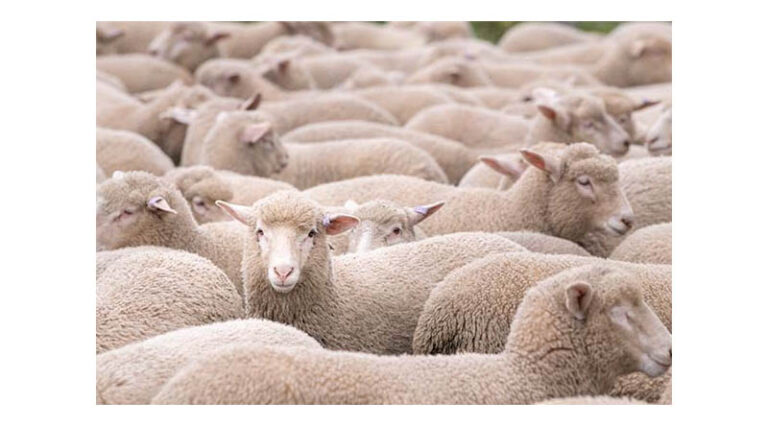
04 August 2026, AU: The incidence of reported hypocalcaemia in autumn-born lambs has been high across NSW and Victoria this winter. Ivy Longmire and Rob Inglis, from Elders’ livestock production team share their tips for recognising and reducing the impact of the condition.
Reports from producers and advisors indicate the issue has been widespread, particularly following the challenging autumn conditions experienced during lambing and early lactation.
Nutritional needs
Rapidly growing lambs have a large requirement for calcium, phosphorus and trace minerals such as copper, to support strong bone growth and development. When calcium intake is inadequate, problems such as bone fractures and rickets can occur. In more severe cases, lambs can deteriorate quickly and die, if left untreated.
This issue has been observed across a range of production systems this year. Some producers have experienced severe hypocalcaemia in containment-fed lambs that had been on grain-based diets for extended periods. Others first identified the problem at lamb marking, when lambs sustained broken legs after being dropped from the marking cradle.
The underlying issue in many of these cases appears to be inadequate calcium nutrition of the ewe during pregnancy and lactation. Many ewes, particularly red tag and black tag ewes, experienced nutritional challenges during their own puberty, limiting the amount of calcium they were able to store in their bones. Diets of lambing ewes this year relied heavily on cereal grain due to limited available pasture. While cereal grain is an excellent energy source, it is naturally low in calcium.
Without appropriate supplementation, ewe lactation, lamb calcium intake, and subsequent skeletal development can be compromised.
Another common factor has been the use of poor-quality loose licks, where calcium levels are inadequate or poorly bioavailable. Lambs respond well following the introduction of a high-quality calcium supplement. Given the challenges we are seeing in the 2026 orange tag weaner lambs, we suspect to continue seeing domino effects of hypocalcaemia in the years to come.
Now is a good time to review weaner mineral programs and ensure lambs are receiving a reliable source of high-quality calcium.
This is especially true during periods of rapid growth or when cereal grain makes up a large proportion of the diet. Supporting calcium intake now will help maximise lifetime productivity, improve bone strength, and reduce losses. Early recognition and intervention can make a substantial difference.
Also Read: Western Sydney International Airport Strengthens Australia’s Trade And Biosecurity Future
Global Agriculture is an independent international media platform covering agri-business, policy, technology, and sustainability. For editorial collaborations, thought leadership, and strategic communications, write to pr@global-agriculture.com