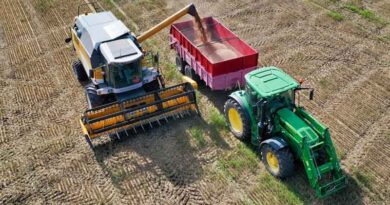
12 August 2025, UK: Your combine tells you how much grain you’ve harvested, but do you know why your crop performed the way it did?
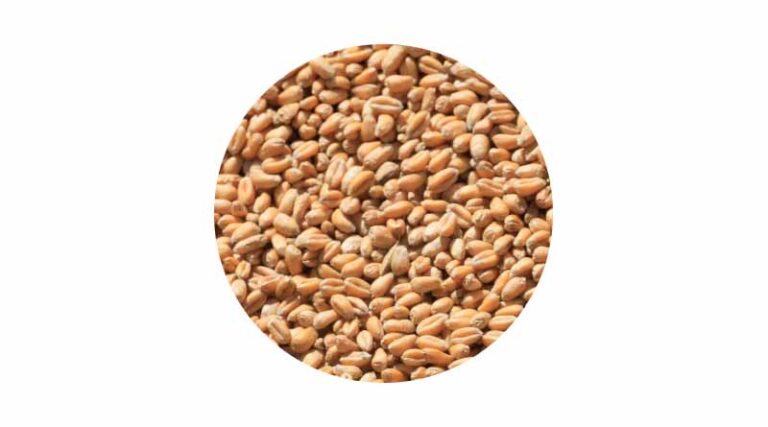
Grain analysis defines a crop’s final status for all essential nutrients. It accurately assesses nutrient offtakes, and benchmarking can then identify which nutrient deficiency or deficiencies may have limited crop yield.
Why Grain Analysis Matters
By combining grain analysis with a standard soil test, you’ll gain a complete picture of nutrient cycling on your farm – what the crop took up and what’s left behind. Together, they provide a powerful platform for more accurate and sustainable decision-making.
Here’s what grain analysis can help you achieve:
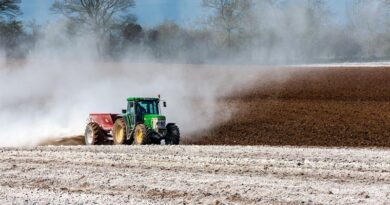
Highlight over-application of fertiliser – detect where inputs may exceed crop demand and uncover any potential savings.
Accurately assess nutrient uptake – understand exactly what your crop removed from the soil.
Improve nutrient use efficiency (NUE) – Match crop needs more precisely with fertiliser inputs.
Choose the right products – Select the most suitable organic, inorganic, or bioscience products for your farm.
Support compliance with Farming Rules for Water – use data to justify all fertiliser applications.
Speak to your local agronomist to arrange for grain analysis and soil sampling to be carried out.
📢 If You’re in Agriculture, Make Sure the Right People Hear Your Story. From product launches to strategic announcements, Global Agriculture offers unmatched visibility across international agri-business markets. Connect with us at pr@global-agriculture.com to explore editorial and advertising opportunities that reach the right audience, worldwide.