China’s Premier Vows All Necessary Measures to Protect Autumn Grain Harvest
05 September 2026, Beijing: Chinese Premier Li Qiang spent three days touring farms, research institutes, and agricultural companies across Heilongjiang and Jilin provinces in late August, using the visit to press local officials and agribusiness leaders to protect what he called a critical stage in the country’s autumn grain harvest.
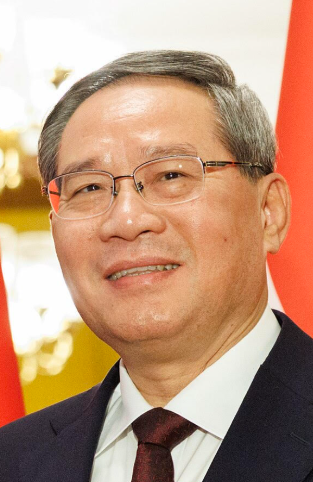
The autumn harvest typically accounts for roughly three quarters of China’s total annual grain output, making the current growing season disproportionately important to the government’s food security targets. Li’s tour, which began in the two northeastern provinces that together generated close to one fifth of China’s grain production last year, came amid growing concern within China’s agricultural policy circles over the potential impact of a forecast super El Nino weather pattern on the current crop.
During the visit, Li repeated a longstanding policy phrase that Chinese leaders have used for years to describe the country’s food security priorities, stressing the need to keep the country’s food supply firmly under domestic control rather than relying on imports. With 1.4 billion people to feed, Chinese leadership has treated grain self sufficiency as a matter of national security for years, and Li’s visit reinforced that framing at a moment when global commodity and fertilizer supply chains remain unsettled by conflict in the Middle East and other disruptions.
Li called for stronger field management practices in the final weeks before harvest, along with continued efforts to keep the supply and prices of agricultural inputs, including fertilizer and seed, stable through the harvest period. He also pressed for expanded policy support measures aimed at securing a bumper harvest, though the visit did not produce a specific new funding announcement or policy document.
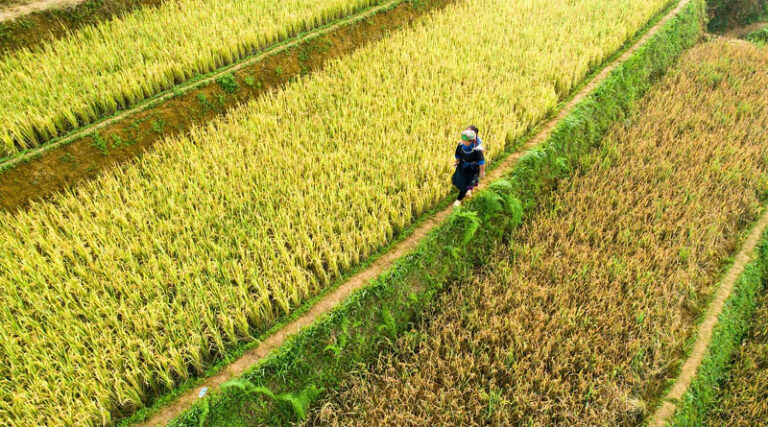
The trip took Li to farms, agricultural research institutes, and companies across the two provinces, giving him direct exposure to on the ground conditions ahead of what officials hope will extend China’s recent run of bumper grain harvests. Heilongjiang alone produced 82 million tonnes of grain in 2025, its 22nd consecutive bumper harvest, a streak that has become a point of pride for provincial and national officials but also raises the stakes for maintaining that momentum through any weather related disruption this season.
China’s leadership has grown increasingly attentive to weather risk in recent growing seasons after several years in which flooding, drought, and pest outbreaks in different regions threatened to disrupt harvest targets. The government has previously rolled out targeted regional measures, including irrigation support in drought prone areas of the Huang Huai region and drainage and water management support along the Yangtze River basin, tailoring its response by crop type and geographic risk profile rather than applying a single nationwide policy.
Global fertilizer and commodity markets have also factored into Beijing’s food security calculations this year. Ongoing conflict in the Middle East has disrupted shipping routes and raised costs for some agricultural inputs, adding a layer of external risk to a harvest season that domestic weather forecasters already flagged as vulnerable to El Nino related disruption.
For global agricultural markets, the outcome of China’s autumn harvest carries significant weight given the country’s role as the world’s largest importer of soybeans and a major buyer of corn, wheat, and other commodities in years when domestic production falls short of consumption needs. A weaker than expected harvest could push China toward larger import volumes in the months ahead, with ripple effects for global grain prices that extend well beyond China’s borders.
Also Read: Syngenta Welcomes Trevor Watson As Turf Territory Manager For Mid-atlantic And Northeast Region
Global Agriculture is an independent international media platform covering agri-business, policy, technology, and sustainability. For editorial collaborations, thought leadership, and strategic communications, write to pr@global-agriculture.com