China Deploys Aircraft and Drones Across Heilongjiang to Protect Autumn Crops
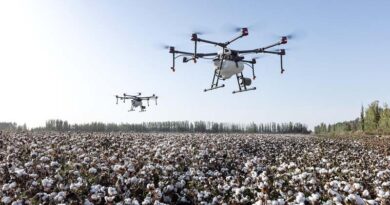
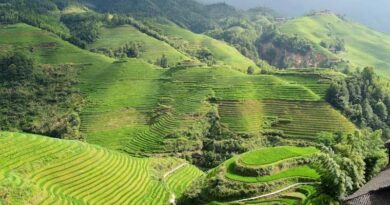
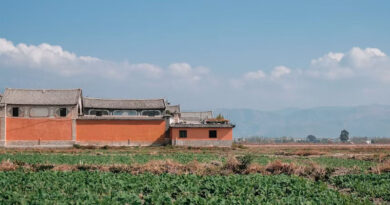
03 September 2026, Beijing: Chinese state farm operator Beidahuang Group deployed fixed-wing agricultural aircraft, helicopters and plant-protection drones across farmland in the Heilongjiang Reclamation Area between August 19 and August 26, applying aerial pesticide treatments to soybean, corn and rice crops ahead of the region’s autumn harvest, according to state media. Heilongjiang, in China’s northeast, is the country’s largest grain-producing province, dominated by the black-soil farmland and paddy fields that make it central to national food security planning.
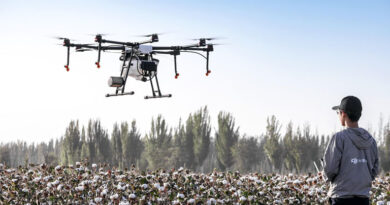
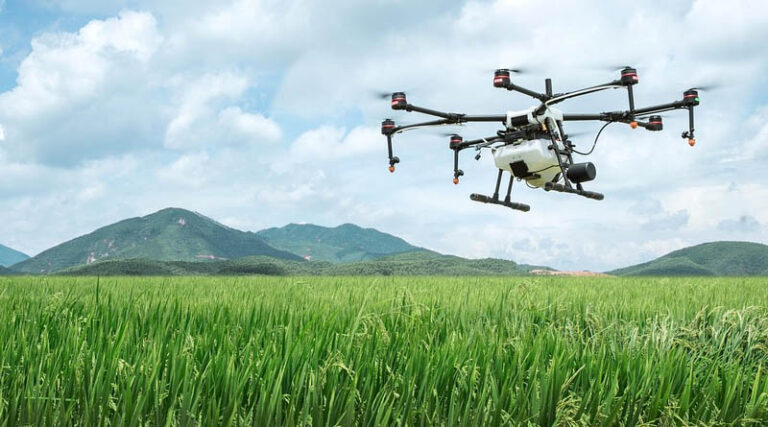
The operation covered multiple farms under Beidahuang’s management, including the Geqiushan, Heshan, Suibin and Youyi farms, combining manned aircraft with drone fleets to apply crop-protection treatments across a wider area and in a shorter window than ground equipment alone would allow. Aerial application has become an increasingly standard tool in Chinese state farm operations for managing pest and disease outbreaks during the critical weeks before harvest, when crop damage from insects, fungal disease or extreme weather can meaningfully affect final yields.
Beidahuang Group, formally China Beidahuang Group, manages a large share of the state farmland in Heilongjiang and operates at a scale that makes coordinated aerial application logistically feasible in a way it often is not for China’s much larger population of smallholder farmers, who still account for the bulk of the country’s cultivated area outside the northeastern state farm belt. The reliance on both aircraft and drones in the same operation illustrates how Chinese agriculture is layering newer drone technology onto older fixed-wing aerial application infrastructure rather than replacing it outright, at least for now.
The timing of the operation lines up with a broader push from Beijing this year to protect the autumn grain harvest, which typically accounts for roughly three-quarters of China’s annual grain output and therefore carries outsized weight in the country’s food security calculations. Chinese Vice Premier Liu Guozhong chaired a video conference with the Ministry of Agriculture and Rural Affairs in late August focused on disaster monitoring, early warning systems and technical guidance for the autumn crop, directing officials to guard against weather disasters, crop disease and pest outbreaks in the late stages of the growing season, and to strengthen irrigation and drainage infrastructure ahead of harvest.
China’s drone-based agriculture sector has expanded rapidly over the past several years, with domestic manufacturers producing large fleets of agricultural drones used for spraying, seeding and crop monitoring across both state farms and, increasingly, smaller operations that rent drone services from local cooperatives or private operators rather than purchasing equipment outright. That rental-service model has helped extend precision spraying capability to farmers who could not otherwise afford it, narrowing (though not closing) the technology gap between large state operations and China’s far more fragmented smallholder sector.
Also Read: Syngenta Welcomes Trevor Watson As Turf Territory Manager For Mid-atlantic And Northeast Region
Global Agriculture is an independent international media platform covering agri-business, policy, technology, and sustainability. For editorial collaborations, thought leadership, and strategic communications, write to pr@global-agriculture.com