China’s Grain Heartland Heilongjiang Deploys 676,000 Smart Machines as AI and Laser Robots Take Over Farm Work
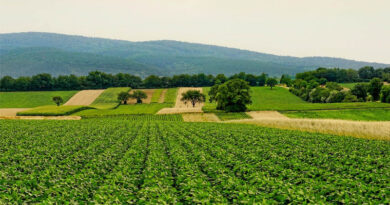
08 September 2026, Heilongjiang: Heilongjiang, the northeastern Chinese province that has led the country in grain output for 16 consecutive years, has built out a network of digital farm management tools that now monitors 3.2 million hectares of farmland by satellite and AI, according to a Xinhua report published September 2, 2026, part of a wider push that has put 676,000 intelligent agricultural machines to work across the province, the most of any region in China.
The scale of the mechanization push is central to the story. Heilongjiang’s comprehensive mechanization rate for plowing, sowing and harvesting now stands at 99.28 percent, and the province delivered its 22nd consecutive bumper harvest in 2025, producing 82 million tonnes of grain. Those output figures are what make the underlying technology shift significant to outside observers: this is not a pilot project on a handful of demonstration farms, but a mechanization and digitization effort applied at the scale of one of the world’s most important grain-producing regions.
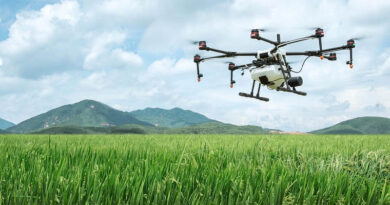
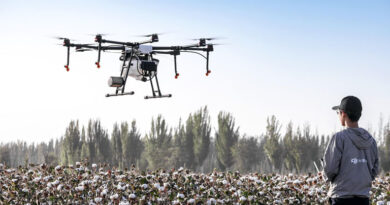
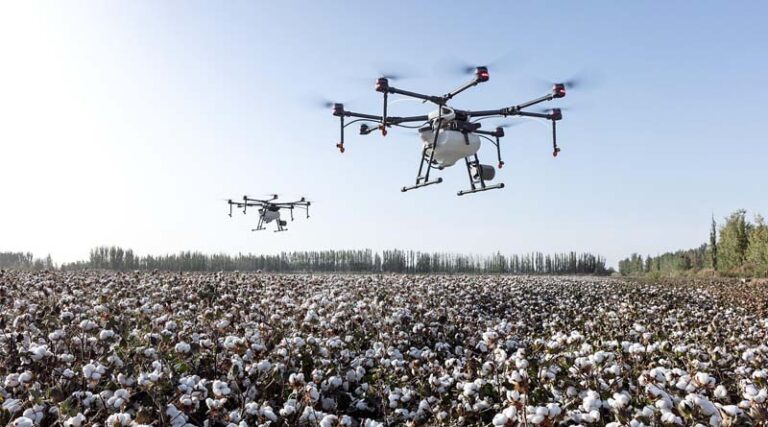
Beidahuang Information Company, based in Harbin, has built more than 60 digital farm management systems that combine satellite remote sensing, Internet of Things sensors and AI models to generate planting recommendations and adjust variable-rate fertilization across the monitored farmland, with data refreshed every five days. Wang Hao, a representative of the company, said that where a farmer could previously inspect only about 200 mu (roughly 13 hectares) a day on foot, drones and remote sensing now allow monitoring of far larger areas in the same time.
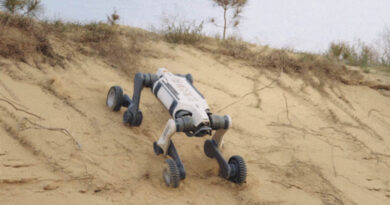
Several other companies are supplying the hardware behind the shift. Harbin Huagong Zhiyun Technology has deployed laser-weeding robots that use multispectral cameras to distinguish crops from weeds, achieving more than 95 percent weed removal with less than 0.1 percent crop damage. Li Yongwei of the company described the approach as “a purely physical, chemical-free method,” and said it can cut weeding costs by up to 70 percent compared with conventional herbicide-based control. Separately, Qiaofu Dayuan Agricultural Co., based in Wuchang, has introduced QR-code tracking and robotic packaging lines for its rice products, while Heilongjiang Dewo Technology Development’s electric-drive precision seeders, which the company says run 50 percent faster than traditional mechanical seeders, have captured 60 percent of the domestic high-end seeder market.
Also Read: Bayer Advances Plan to Launch 10 Blockbuster Products Over the Next 10 Years
Global Agriculture is an independent international media platform covering agri-business, policy, technology, and sustainability. For editorial collaborations, thought leadership, and strategic communications, write to pr@global-agriculture.com