NPK Recovery Tests Urine-Derived Fertiliser on Native Trees in UK Forestry Project
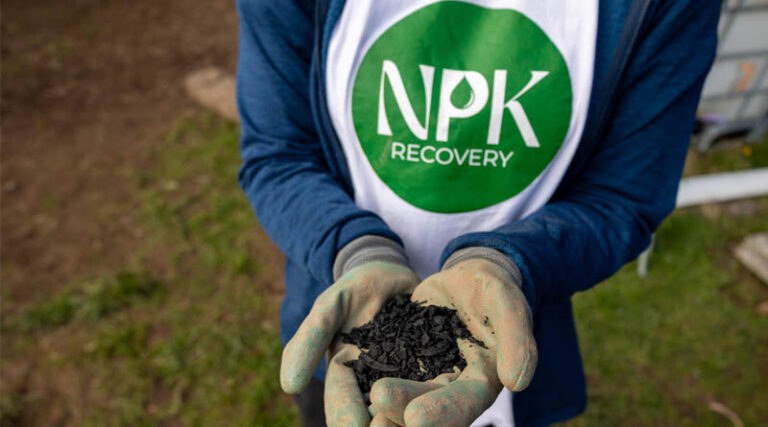
03 April 2026, London: A UK-based sustainable agriculture startup, NPK Recovery, has initiated a three-year project to grow 4,500 native and threatened tree species using fertiliser derived from human urine. The initiative is supported by a £435,627 grant from the Forestry Commission under its Tree Production Innovation Fund.
The fertiliser, produced by processing urine collected at large public events such as the London Marathon and Boomtown Festival, is being tested on trees for the first time. Previous trials have shown that the product performs comparably to conventional fertilisers, which are often manufactured through energy-intensive processes.
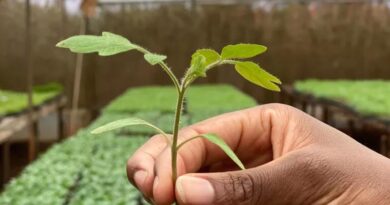
The project began with the planting of a Scots pine seed in Bannau Brycheiniog National Park, marking the start of field implementation. The nursery operations are being managed in partnership with Stump up for Trees, a charity focused on increasing tree cover and biodiversity in the region.
The initiative comes amid rising fertiliser costs globally, driven in part by geopolitical tensions affecting supply chains. The project aims to explore alternative nutrient sources to improve fertiliser security and reduce dependence on conventional inputs.
NPK Recovery processes urine at the point of collection using mobile treatment units, converting nitrogen and other nutrients into a stabilised fertiliser. This approach also reduces pressure on wastewater systems and lowers chemical usage.
According to the project partners, the trial will evaluate the effectiveness of the fertiliser in supporting the growth of species such as beech and Scots pine. The broader objective is to assess the role of circular nutrient systems in forestry and agriculture.
Native woodland ecosystems in the UK have faced long-term decline due to pests, diseases, and invasive species. Data from the Woodland Trust indicates that only a small proportion of native woodlands remain in good ecological condition, with associated impacts on biodiversity, including bird populations.
The outcomes of this project are expected to contribute to ongoing research into sustainable fertiliser alternatives and their application in forestry systems.
Global Agriculture is an independent international media platform covering agri-business, policy, technology, and sustainability. For editorial collaborations, thought leadership, and strategic communications, write to pr@global-agriculture.com