Pakistan Farmers Postpone Islamabad March Over Wheat Support Price
28 September 2026, Balochistan, Pakistan: Farmers in Pakistan’s Balochistan province called off a planned long march toward Islamabad late on September 25, hours after the provincial government promised to act on their demands, which include a sharply higher wheat support price and emergency relief for a farm economy squeezed by high input costs and weak returns.
Kissan Ittehad, the farmers’ body organizing the march under its Balochistan president, Khalid Bath, had announced it would move a convoy of farmers and landowners from Quetta toward the federal capital to press the government on a long list of grievances. These included a formal declaration of an agricultural emergency in Balochistan, revision of agricultural policies set by Punjab Chief Minister Maryam Nawaz’s government, and greater federal resource allocation to farming. Talks in Quetta between the farmer leadership and a provincial government delegation, led by Provincial Minister Ali Madad Jattak and Balochistan Assembly member Mir Jahanzeb Mengal, ended with an assurance from the government side. Balochistan Home Affairs Adviser Babar Yousafzai said steps would be taken to address the farming community’s concerns, describing the outcome as a positive step toward resolving what he called their legitimate demands. Bath, for his part, said the march was only postponed and that the protest campaign would continue until the government’s commitments were honored in full.
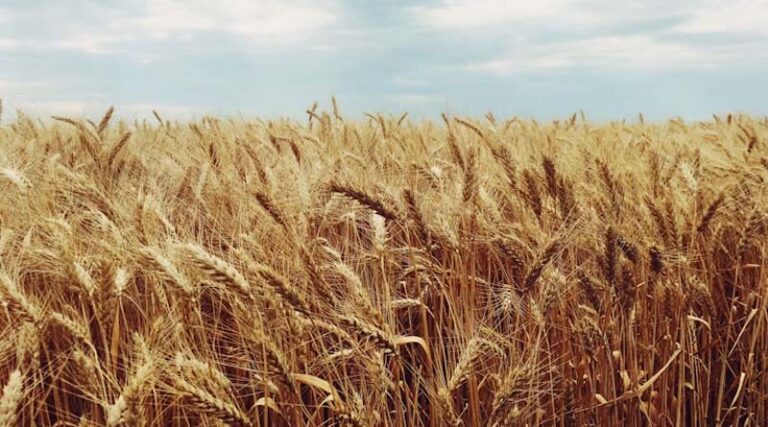
The Balochistan march is the most visible flashpoint in a wider standoff between Pakistan’s farmers and the federal and provincial governments that has been building for weeks. Separately, the national Kissan Ittehad body, led by its longtime president Khalid Mehmood Khokhar, has for several weeks been pressing Islamabad to fix a minimum wheat support price of Rs 5,000 per 40 kilograms, arguing that farmers should get international market rates rather than subsidies. Khokhar has warned that growers may hold off on wheat sowing this season entirely if the government does not announce its crop policy before the planting window closes, a threat that carries real weight given wheat’s status as Pakistan’s most important staple crop. Farmer leaders have also pointed to falling fertilizer use as evidence of financial distress, with one industry estimate cited in Pakistani trade coverage showing DAP fertilizer consumption dropping from roughly 2.39 million tonnes to about 1.25 million tonnes, a decline growers attribute to affordability pressures rather than lower demand for nutrients.
A pattern of recurring protest
This is not an isolated flare-up. Balochistan’s farmers have staged repeated demonstrations through 2026, including protests earlier in the year on Pakistan’s own World Agriculture Day observance, when growers raised similar demands for a fair wheat price and an end to what they describe as selective deregulation that leaves farmers exposed to market swings while other parts of the agricultural supply chain remain protected. The recurrence of these protests, and the speed with which this latest march was organized and then paused after direct negotiation, suggests both sides see political risk in the standoff dragging on into the sowing season, but also that no durable settlement has yet been reached on the core pricing questions.
The dispute is landing at a delicate moment for Pakistani agriculture. Wheat sowing for the 2026-27 rabi season is approaching, and any delay in finalizing support prices or credit terms narrows the window farmers have to plan input purchases, particularly for imported fertilizer and certified seed. A poor sowing season driven by farmer disengagement would compound Pakistan’s existing food security and foreign exchange pressures, since wheat shortfalls typically force costlier imports.
For Indian and other South Asian and global agri-input companies, the standoff is a useful signal rather than a distant political story. Thin farm margins, rising fertilizer and diesel costs, and stagnant procurement prices are pushing farmer organizations across the region toward direct action, a dynamic that echoes India’s own long-running minimum support price debates and that shapes how seed, fertilizer, and crop protection companies price products and plan credit terms for smallholders in similar markets. Companies exporting agrochemicals or fertilizer inputs into Pakistan should also watch whether reduced DAP use becomes a lasting trend, since it points to demand destruction in one of South Asia’s larger fertilizer markets rather than a short-term dip.
The Balochistan government’s assurance has, for now, defused the immediate threat of a large-scale march reaching Islamabad, but farmer leaders on both the provincial and national stage have been explicit that they consider this a pause rather than a resolution. Whether Islamabad moves quickly enough on a formal wheat pricing policy will determine if talks hold through the sowing season or whether farmer groups escalate again in the coming weeks.
Global Agriculture is an independent international media platform covering agri-business, policy, technology, and sustainability. For editorial collaborations, thought leadership, and strategic communications, write to pr@global-agriculture.com