US Farm Income Squeeze Deepens as Harvest Costs Climb
25 September 2026, Washington, D.C.: American row-crop farmers are entering the 2026 fall harvest facing a fourth consecutive year of financial losses, with farm bankruptcies up 19 percent from a year earlier and roughly 200,000 farms having shut down since 2020, according to reporting published September 24 that draws on data from the American Farm Bureau Federation and interviews with farmers, lenders and trade economists.
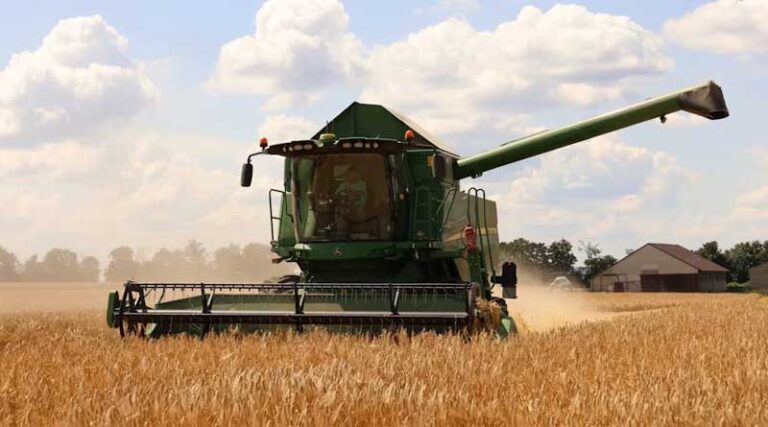
The squeeze is coming from both directions at once. Crop prices have improved only modestly this year, while the cost of running a farm has jumped sharply. Diesel fuel, which powers the combines and grain trucks that move the harvest, is running as much as 80 percent higher than normal, with some farmers paying close to 6 dollars a gallon. A single combine can burn through roughly 150 gallons a day during peak harvest. Fertilizer costs are up about 15 percent from last year on top of already-elevated prices.
Fuel and fertilizer costs collide with weak export demand
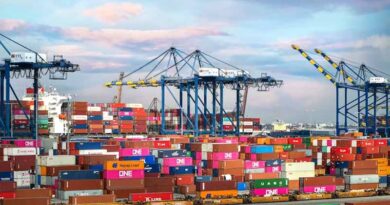
Much of the added fuel and fertilizer expense traces back to the US-Israel military conflict with Iran that began earlier in 2026, which disrupted global energy and chemical feedstock markets. At the same time, reduced Chinese purchases of US soybeans in prior years have left many farmers holding unsold grain or selling into a softer export market, compounding the cash-flow problem just as loan payments and land costs come due.
“It’s a cost that a farmer can’t pass on,” said Rick Telesz, a Pennsylvania farmer who grows soybeans and corn and raises cattle on 700 acres. “It’s real. It’s painful.” Faith Parum, an economist with the American Farm Bureau Federation, said production expenses have “really skyrocketed” this year, meaning farmers are paying substantially more to grow the same crop without a matching increase in what that crop sells for.
The financial strain is showing up most visibly in bankruptcy courts. Joe Peiffer, an attorney who represents farmers across Iowa, Missouri and Illinois in bankruptcy proceedings, said the pattern he sees is that “most farmers will farm till a banker won’t loan them another dime,” meaning many operations continue well past the point of profitability before finally folding, often after decades in the same family. Chad Bown, a trade analyst at the Peterson Institute for International Economics, noted that farm exports to China remain at “much, much lower levels” than before the tariff disputes of Trump’s second term, a trend that shows only partial signs of reversing even as trade talks continue.
A structural, not seasonal, problem
What makes this year’s numbers notable is the duration. A single bad harvest tied to weather is a normal risk that most farm operations can absorb. Four consecutive years of losses on major row crops points to something more structural: a mismatch between input costs that have been reset upward by energy shocks and geopolitical disruption, and commodity prices that have not kept pace, partly because a major buyer (China) has permanently redirected some of its purchasing elsewhere. Farm consolidation tends to accelerate in these stretches, as smaller and more leveraged operations are the first to exit, which over time concentrates land and production in fewer, larger hands.
Global Agriculture is an independent international media platform covering agri-business, policy, technology, and sustainability. For editorial collaborations, thought leadership, and strategic communications, write to pr@global-agriculture.com