Asian Trade Partners Fall Short On US Farm Export Pledges
23 November 2026, Chicago, US: China and several of the newest American trade partners in Asia are running well behind on pledges to buy more US farm goods, even as the Trump administration points to a wave of new agreements following this week’s meeting between President Donald Trump and Chinese President Xi Jinping.
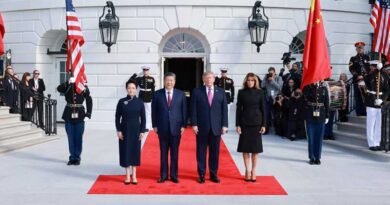
Trump met Xi in Shenzhen on Thursday after a stop in the Philippines for a Southeast Asian summit. Following the meeting, the White House said China had achieved “partial compliance” with the agricultural purchase commitments it made during earlier talks in Busan, South Korea, in October 2025, and in Beijing in May 2026.
Under those commitments, China agreed to buy 25 million metric tons of US soybeans in 2026 and $17 billion worth of other American farm products annually, a figure the White House says is prorated for this year since the agreement began partway through it. China appears on track to meet the soybean target, according to US government trade data, though purchases remain below the levels seen before tariffs introduced in April 2025. Government buyers in China have booked close to 20 million tons of soybeans from the current US harvest, while private Chinese importers have continued buying from Brazil.
The $17 billion pledge covering other farm goods has proven far harder to meet. US government data shows China bought less than $2.5 billion worth of non-soybean farm products between the May summit and the end of September. China has also not lifted the 10% tariff it maintains on US soybean imports, a point the American Soybean Association raised in a letter this month urging the administration to press for its removal.
Similar Gaps Across Other Asian Deals
The shortfalls extend well beyond China. Indonesia agreed in February to buy $4.5 billion annually in US farm goods, including 3.5 million tons of soybeans. US Census Bureau data shows Indonesia’s farm purchases over the first nine months of 2026 totaled less than $2.4 billion, roughly in line with its purchasing pace over the past decade and short of the new target. Only 54% of the soybean commitment had shipped by September, wheat purchases stood at under 450,000 tons against a commitment more than four times that size, and soymeal shipments of 150,000 tons amounted to just 4% of a 3.8 million ton annual target.
Malaysia, which signed its agreement in October 2025, has seen US pork exports fall 52% through September compared with a year earlier, with no poultry or sorghum shipments recorded over that period. Bangladesh, under a five-year deal reached in February covering at least 700,000 tons of US wheat annually and $1.25 billion in soy and soy products in the first year, has so far taken delivery of 473,000 tons of wheat and a combined 162,000 tons of soybeans and soymeal.
The White House has said it has secured roughly a dozen trade agreements with Asian countries this year that include agricultural purchase commitments. China has renewed export licenses for more than 400 US beef processing plants since May, though the US Meat Export Federation says about half of American fed cattle slaughter capacity remains ineligible to ship to China under current health protocols.
Scott Lincicome, vice president of economics and trade at the Cato Institute, said the pattern across the deals signed so far has been underwhelming. “The reality is that this has been a lot of talk and not much action,” he said.
Also Read: €2.9BN Invested in Biopesticide Innovation, but EU Farmers Still Face Long Waits for New Solutions
Global Agriculture is an independent international media platform covering agri-business, policy, technology, and sustainability. For editorial collaborations, thought leadership, and strategic communications, write to pr@global-agriculture.com